
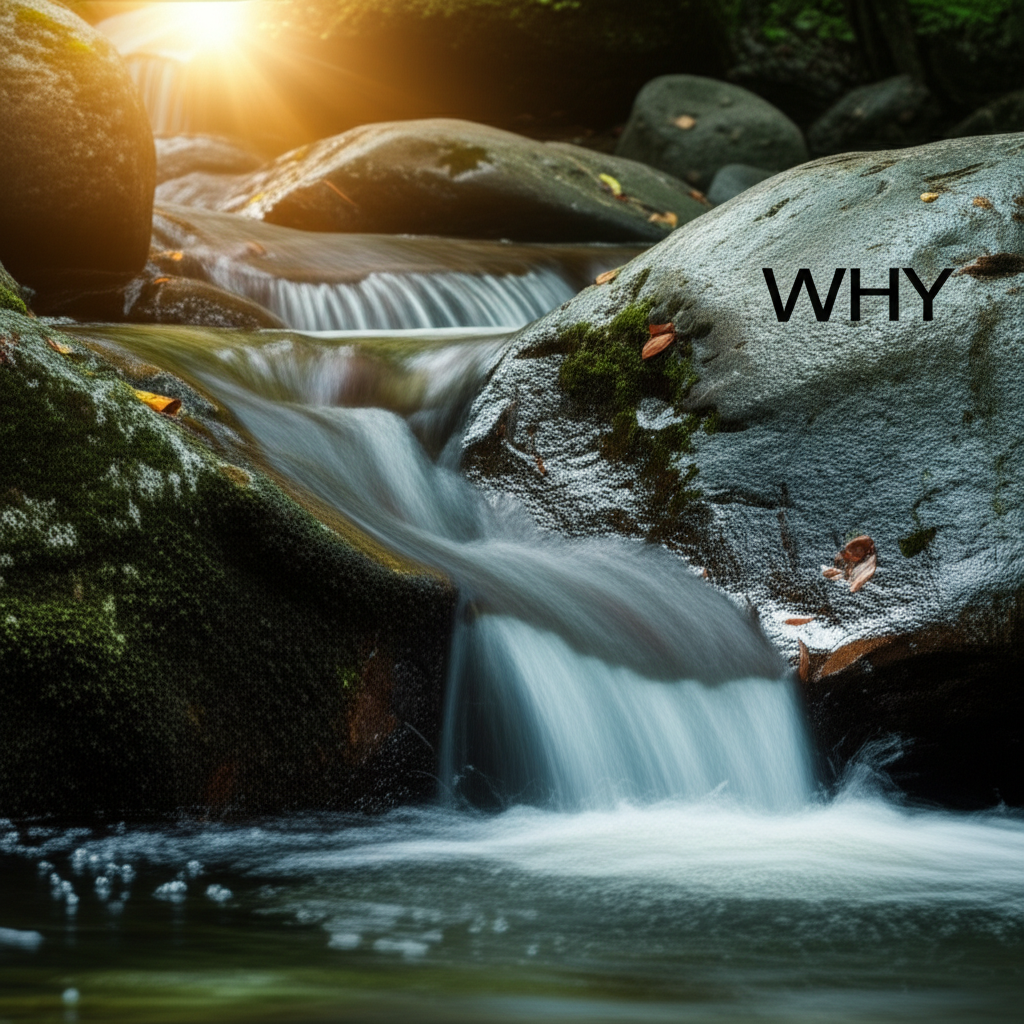
Why is water often called the “elixir of life” or “the universal solvent”? Because its presence, or lack thereof, dictates the very possibility and quality of existence for every living organism on Earth. Far more than just a refreshing beverage, water is the fundamental resource that sculpts landscapes, pilots biological processes, and underpins the intricate web of life as we know it. From the smallest microbe to the largest whale, and from ancient forests to burgeoning cities, water is the stunning life source without which our planet would be an arid, lifeless rock.
The Biological Imperative: Water Within Us
At the most personal level, water is essential to our own bodies. An adult human is comprised of approximately 60% water, with critical organs like the brain and heart containing even higher percentages. This isn’t just passive bulk; water plays an active, indispensable role in virtually every bodily function. It acts as a solvent, enabling nutrients, minerals, and chemicals to dissolve and be transported to cells throughout the body. It moistens tissues like those in the mouth, eyes, and nose, making them functional.
Water is also critical for regulating body temperature, absorbing heat and releasing it through perspiration, thus preventing overheating. It lubricates joints, allowing for smooth movement, and protects delicate tissues and organs. Furthermore, water participates in countless biochemical reactions, including the digestion of food and the metabolic processes that convert food into energy. Without a continuous and adequate supply of water, our bodies quickly begin to fail, leading to dehydration, organ damage, and ultimately, death. This biological reliance underscores water’s unparalleled importance to individual survival.
The Cradle of Life: Earth’s Aqua-Powered Ecosystems
Looking beyond the individual, water sculpts and sustains the entirety of Earth’s ecosystems. Scientists widely believe that life itself originated in the oceans, a testament to water’s unique properties as a medium for chemical reactions and molecular self-assembly. Today, aquatic environments, from vast oceans to freshwater rivers and lakes, host an incredible diversity of life, forming complex food webs. Coral reefs, for instance, are teeming underwater cities supported by specific temperature and salinity conditions, showcasing the delicate balance required for such vibrant ecosystems to thrive.
But water’s influence extends far beyond its liquid realms. Terrestrial life is equally dependent on the water cycle, a continuous process where water evaporates from oceans, forms clouds, precipitates as rain or snow, and flows back to the seas. This cycle replenishes freshwater sources, irrigates lands, and regulates global climates. Plants, the base of most terrestrial food chains, rely heavily on water for photosynthesis – the process by which they convert sunlight into energy. Without sufficient water, vegetation withers, leading to desertification and a cascading collapse of the ecosystems that depend on them.
Why Water Sustains Our Planet and Societies
The intrinsic value of water extends beyond direct biological functions and ecological support; it is the cornerstone of human civilization and global development. Every facet of our modern world, from the food we eat to the energy we consume, is intrinsically linked to water resources.
Agriculture: Food production is arguably the largest consumer of freshwater globally, with irrigation systems enabling massive yields that feed billions. From rice paddies to vast wheat fields, ensuring a stable water supply is paramount for food security.
Industry and Energy: Water is indispensable for industrial processes, used in manufacturing, cooling systems for power plants, and as a raw material in countless products. Hydroelectric power, a clean and renewable energy source, harnesses the kinetic energy of flowing water to generate electricity, illuminating homes and powering industries worldwide.
Sanitation and Health: Access to clean, safe drinking water and adequate sanitation facilities is a fundamental human right and a critical public health issue. Contaminated water sources are vectors for numerous diseases, leading to widespread illness and mortality, particularly in developing regions. Properly managed water supplies and sanitation infrastructure elevate public health standards and improve quality of life.
Recreation and Culture: Beyond its utilitarian roles, water holds immense cultural and recreational significance. Rivers, lakes, and oceans are sites for fishing, swimming, boating, and tourism, contributing significantly to economies and human well-being. Many cultures also hold water sacred, integrating it into spiritual practices and traditions.
The Imperative of Stewardship: Protecting Our Most Precious Resource
Despite its overwhelming importance, water is increasingly under threat. Climate change is altering weather patterns, leading to more frequent droughts and floods, and impacting the availability of freshwater. Pollution from industrial discharge, agricultural runoff, and inadequate waste management contaminates existing supplies, rendering them unsafe for consumption and harming ecosystems. Over-extraction for growing populations and industries further strains finite resources.
The future of humanity and the planet hinges on our ability to manage water resources wisely and sustainably. This demands concerted efforts in conservation, adopting water-efficient technologies, investing in infrastructure to improve access and quality, and protecting natural water bodies from pollution. Education about water’s value, policy changes that promote sustainable use, and international cooperation are all vital steps in safeguarding this most stunning life source.
In conclusion, water is undeniably the silent architect of life, powering every biological process, shaping every landscape, and sustaining every civilization. Its essentiality is not merely a scientific fact but a profound truth that compels us to recognize its irreplaceable value and commit to its vigilant protection for generations to come.
0 Comments