
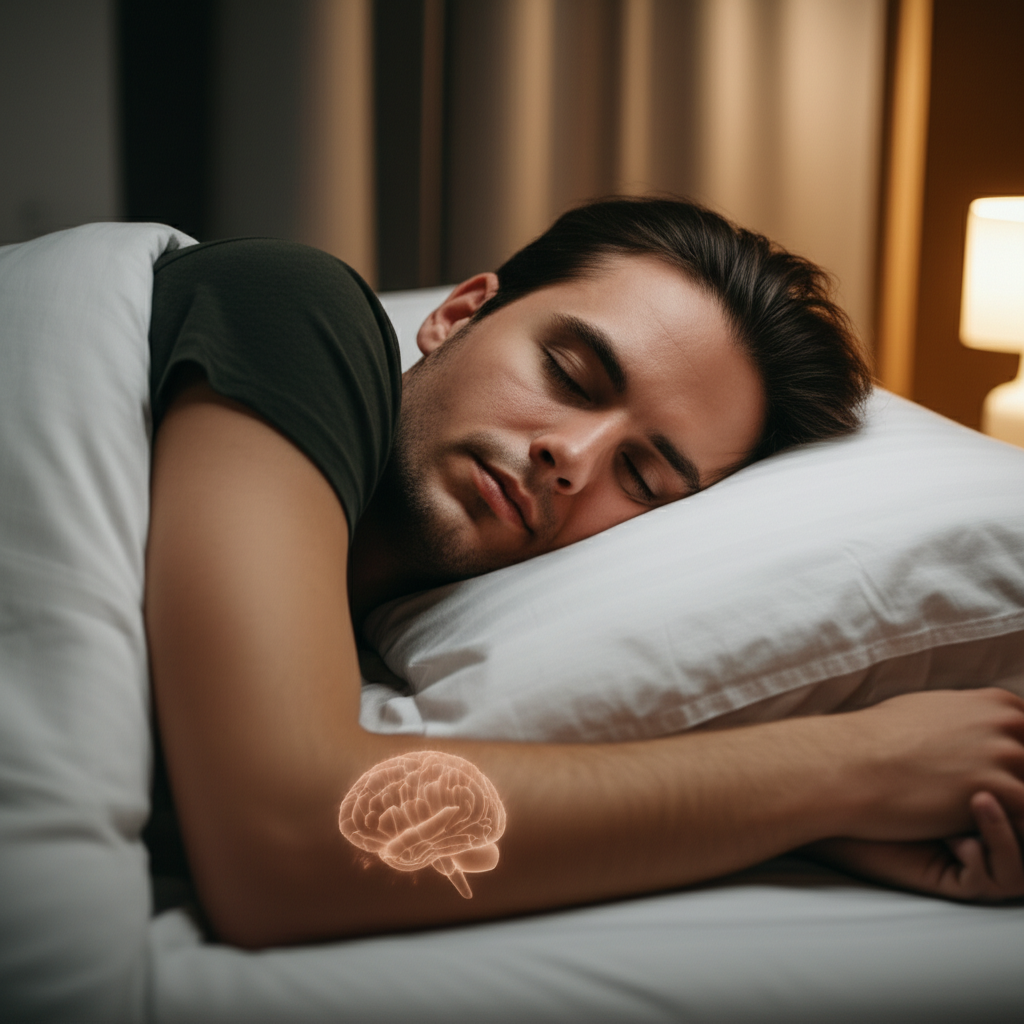
Sleep is often the first thing sacrificed in our fast- paced, hyper-connected world. We view it as a luxury, a passive state, or even lost time that could be better spent on work, hobbies, or socialising. Yet, this couldn’t be further from the truth. Far from being an idle period, sleep is an incredibly active and essential process during which our bodies and minds undertake critical restorative work. Understanding why sleep is so vital for every aspect of your best health can transform your perspective and, more importantly, your lifestyle.
The Indispensable Role of Sleep in Physical Health
One of the most fundamental reasons why sleep is non-negotiable is its comprehensive impact on our physical well-being. During sleep, your body isn’t just resting; it’s actively repairing, rebuilding, and rejuvenating itself. This is why it’s often likened to a nightly maintenance crew for your body.
For instance, your cells undertake repair work, muscle tissue grows, and important hormones are released. Growth hormone, crucial for cell regeneration and physical development, is primarily secreted during deep sleep. Without adequate sleep, these vital processes are hindered, leading to a compromised ability to recover from daily wear and tear, injury, or even just a tough workout. This is also why athletes prioritise sleep as much as training and nutrition – it’s crucial for performance and recovery.
Moreover, sleep plays a critical role in metabolic regulation. Lack of sleep can disrupt the balance of ghrelin (the hunger-stimulating hormone) and leptin (the satiety hormone), making you feel hungrier and less satisfied, often leading to increased calorie intake and weight gain. It also impacts insulin sensitivity, increasing the risk of type 2 diabetes. So, if you’re wondering why your diet isn’t yielding results, your sleep habits might be an unaddressed factor.
Cardiovascular health is another area profoundly affected by sleep. During deep sleep, your blood pressure naturally drops, giving your heart and blood vessels a much-needed rest. Chronic sleep deprivation, conversely, keeps blood pressure elevated for longer periods, increasing the risk of hypertension, heart disease, and stroke. This is a significant why for ensuring consistent, quality sleep as a preventative health measure.
Why Sleep Reigns Supreme for Mental Well-being and Cognitive Function
Beyond the physical, the most profound reasons why sleep is essential can be found in its impact on your brain and mental health. Your brain doesn’t shut down when you sleep; it goes into overdrive, consolidating memories, processing information, and clearing out metabolic waste.
During various sleep stages, particularly REM sleep, your brain processes emotions and experiences from the day. This helps you to regulate your mood, reduce emotional reactivity, and develop resilience in the face of stress. This is why a good night’s sleep can make you feel more optimistic and better equipped to handle challenges, while sleep deprivation often leaves you feeling irritable, anxious, or even depressed. Chronic sleep loss is strongly linked to an increased risk of developing mood disorders, highlighting its fundamental role in mental stability.
Cognitive functions such as focus, concentration, problem-solving, and creativity are also heavily reliant on sufficient sleep. This explains why pulling an all-nighter might seem productive in the short term, but consistently leads to diminished performance, errors, and poor decision-making. Sleep allows your brain to organise and restructure information, making connections you might not have seen while awake. It’s the ultimate brain refresh button.
Sleep and Your Robust Immune System
Perhaps one of the most compelling reasons why sleep is a cornerstone of health is its direct influence on your immune system. Sleep is when your body produces and releases cytokines, a type of protein that targets infection and inflammation, effectively creating an immune response. It also enhances the effectiveness of T-cells, which are crucial for fighting off pathogens.
If you consistently don’t get enough sleep, your body produces fewer of these protective cytokines and your T-cells become less effective. This weakens your immune response, making you more susceptible to common colds, flu, and other serious infections. This is why doctors often recommend rest when you’re sick – it’s not just about taking it easy, but actively helping your body fight the illness. Furthermore, studies have shown that insufficient sleep can reduce the effectiveness of vaccinations, meaning your body builds less immunity even after receiving protection. Therefore, quality sleep isn’t just about feeling better; it’s about being better protected.
Quality Sleep: The Foundation of Longevity and Disease Prevention
Considering all these factors, it becomes clear why sufficient, high-quality sleep is more than just a component of a healthy lifestyle – it’s a foundational pillar. Chronic sleep deprivation isn’t just about feeling tired; it’s a significant risk factor for a range of serious long-term health issues, including obesity, diabetes, cardiovascular disease, weakened immunity, and even certain types of cancer.
Prioritising sleep isn’t a passive activity; it’s a proactive health strategy that contributes to a longer, healthier, and more vibrant life. Understanding the multifaceted reasons why sleep is so essential empowers you to make informed choices about your daily routines and perhaps, finally give sleep the attention and respect it truly deserves. It’s an investment in your best self – physically, mentally, and emotionally.
0 Comments