- The Primary Architect: Sedimentary Rocks
- Why Each Layer Tells a Story
- Layers Under Pressure: Metamorphic Rocks
- Less Common Layers: Igneous Rocks
- The Grand Unveiling: Tectonic Forces
- Conclusion
Why do rocks have layers? This seemingly simple question unlocks a geological saga spanning billions of years, revealing the dynamic processes that have shaped our planet. From the towering cliffs of the Grand Canyon to the humble streambed, layered rocks are ubiquitous, each stratum a page in Earth’s autobiography. These stunning formations are not just beautiful; they are critical archives, holding secrets about ancient environments, climates, and the very evolution of life. Understanding why rocks exhibit this characteristic layering involves delving into the fundamental branches of geology: sedimentation, metamorphism, and even, in some cases, igneous activity.
The Primary Architect: Sedimentary Rocks
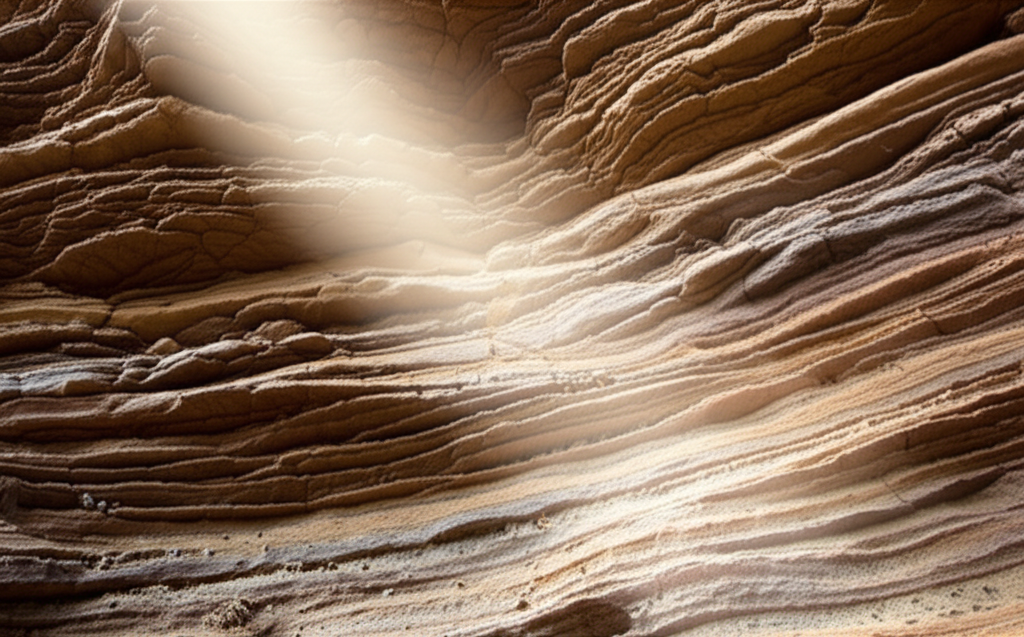
The vast majority of layered rocks we observe are sedimentary in origin. Their formation is a testament to the relentless forces of weathering and erosion, followed by deposition, compaction, and cementation. It begins with the breakdown of existing rocks (igneous, metamorphic, or older sedimentary) into smaller fragments like sand, silt, and clay, or dissolved minerals and organic matter. This process, known as weathering, can be physical (e.g., freeze-thaw cycles) or chemical (e.g., acid rain).
Once weathered, these fragments, or sediments, are transported by agents like water (rivers, lakes, oceans), wind, ice (glaciers), or gravity. Eventually, as the transporting energy decreases, these sediments settle out in distinct layers, accumulating over time. Picture a river depositing sand at its mouth, or dust settling on a plain after a dust storm. Over vast periods, new layers accumulate on top of older ones. The sheer weight of the overlying material compacts the layers below, squeezing out water. Concurrently, dissolved minerals precipitate in the pore spaces between grains, cementing them together into solid rock. This lithification process transforms loose sediment into hard sedimentary rock, with each successive deposition creating a new, often distinct, layer.
Why Each Layer Tells a Story
The distinctive character of each sedimentary layer — its color, thickness, texture, and composition — is a direct reflection of the environmental conditions at the precise moment of its deposition. This is why each layer tells a story about Earth’s past.
Variations in Sediment: A change from sandy layers to muddy layers might indicate a shift from a high-energy river environment to a calmer, deeper lake or marine setting. Coarse, angular sediments could point to a nearby mountain source, while fine, well-sorted sand might suggest a powerful wind or ocean current.
Color Clues: Red layers often signify the presence of iron oxides, indicating an oxygen-rich terrestrial environment, while dark, carbonaceous layers suggest anaerobic conditions common in deep oceans or swamps where organic matter accumulated.
Fossil Records: Perhaps the most compelling narratives are told by fossils embedded within these layers. The presence of ancient marine shells in a rock layer high in a mountain range tells a clear story of past ocean environments and subsequent uplift. A layer rich in fern fossils indicates a lush, ancient forest. The sequence of fossils through successive layers provides irrefutable evidence for evolution and the changing biodiversity of the planet over geological time.
Sedimentary Structures: Features like ripple marks (formed by ancient currents), cross-bedding (indicating flowing water or wind), or mud cracks (suggesting intermittent drying) further paint a vivid picture of the environment at the time of deposition.
Each layer, therefore, is a snapshot in geological time, preserving a record of climate, sea level, tectonic activity, and the life forms that existed when that specific sediment settled.
Layers Under Pressure: Metamorphic Rocks
While sedimentary layering is formed by deposition, metamorphic rocks can also exhibit striking layered appearances through a process called foliation. Metamorphism occurs when existing rocks (igneous, sedimentary, or even other metamorphic rocks) are subjected to intense heat and pressure, often deep within the Earth’s crust, without completely melting.
Under directed pressure – that is, pressure exerted more strongly in one direction than another – platy or elongate minerals within the rock, such as mica, chlorite, or hornblende, will reorient themselves perpendicularly to the direction of maximum stress. This parallel alignment of mineral grains creates a distinctive platy or banded appearance known as foliation. Examples include:
Slate: Formed from shale under low-grade metamorphism, with very fine, parallel layering, allowing it to be split into thin sheets.
Schist: Under higher temperatures and pressures, individual mineral grains grow larger and become more visible, creating a glittering, layered texture.
* Gneiss: Represents high-grade metamorphism, where the minerals separate into distinct bands of different colors and compositions, giving it a striped appearance.
This type of layering is fundamentally different from sedimentary layering; it’s a retexturing and recrystallization of a pre-existing solid rock, rather than a build-up of deposited sediments. It tells a story of intense tectonic forces, mountain building, and the deep-seated transformation of Earth’s crust.
Less Common Layers: Igneous Rocks
While not typically associated with prominent layering, some igneous rocks do exhibit layered structures. These usually form in one of two ways:
1. Layered Intrusions: In large bodies of magma that cool slowly beneath the Earth’s surface, denser crystals can settle out of the molten rock, accumulating at the bottom of the magma chamber. Successive layers of different mineral compositions can form as the magma fractionates and cools. A famous example is the Bushveld Complex in South Africa.
2. Volcanic Flows: During volcanic eruptions, multiple successive lava flows can pile up on top of each other, creating distinct, albeit often irregular, layers of igneous rock. Each flow represents a separate eruptive event.
These igneous layers offer clues about the processes occurring within magma chambers and the history of volcanic activity in a region.
The Grand Unveiling: Tectonic Forces
The beautifully horizontal layers formed by sedimentation rarely remain so forever. Earth’s powerful tectonic forces, driven by the slow, convective movement of the mantle, constantly deform the crust. These forces can tilt, fold, and fault rock layers. What began as flat, horizontal beds can be uplifted into mountain ranges, contorted into dramatic folds, or offset by fault lines. Unconformities, representing periods of erosion or non-deposition, appear as gaps in the rock record, marking significant geological hiatuses.
Conclusion
The layers within rocks are far more than just aesthetic patterns; they are profound geological records, embodying the relentless cycle of destruction and creation that defines our planet. Whether formed by the patient accumulation of sediments over millions of years, the intense pressure and heat of metamorphism, or the settling and flowing of molten rock, each layer contributes to a magnificent, multi-dimensional timeline. Unlocking the secrets held within these stone pages allows us to reconstruct ancient landscapes, understand past climates, trace the lineage of life, and comprehend the immense forces that continually reshape our world. The next time you encounter a layered rock, remember that you’re not just looking at stone – you’re gazing into the deep, beautiful history of Earth itself.
0 Comments