- The Anatomy of a Shiver: What Causes Goosebumps?
- Why Do We Get Goosebumps? Unpacking the Triggers
- Beyond the Prickles: The Modern Significance
- Amazing Facts and the Occasional Quirk
- Conclusion
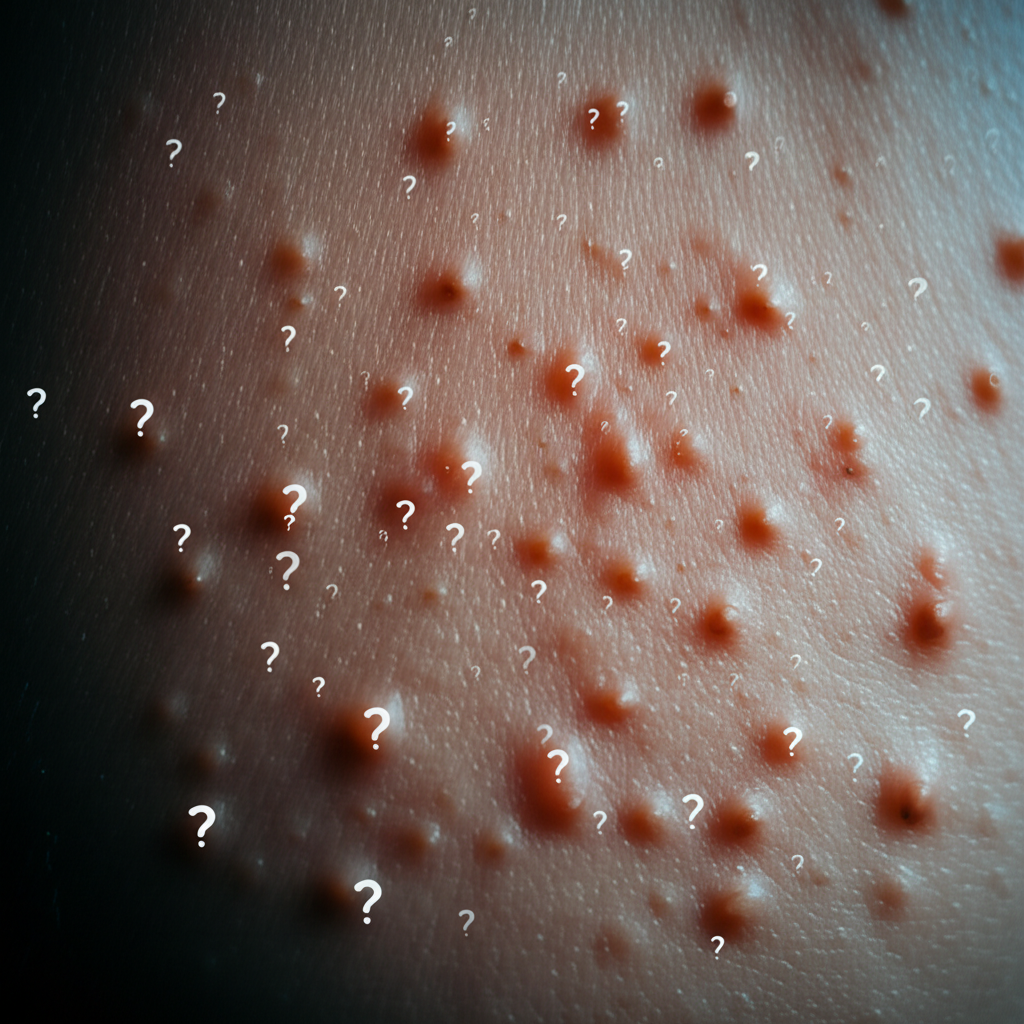
Why do our skin suddenly erupt in tiny bumps, our hairs standing on end in a momentary, prickling sensation? This common yet often perplexing phenomenon, known as piloerection but more commonly as goosebumps, is a fascinating testament to our evolutionary past and the complex interplay between our bodies and minds. From a sudden chill to a profoundly moving piece of music, these transient little bumps offer a window into our primitive reflexes and emotional depths.
The Anatomy of a Shiver: What Causes Goosebumps?
At the heart of goosebumps lies an involuntary physical reaction. Each hair follicle on our skin is equipped with a tiny muscle called the arrector pili. Under normal circumstances, these muscles lie dormant. However, when triggered, the arrector pili muscles contract, pulling the hair follicle upright. This action not only stiffens the hair but also creates a small indent on the skin surface, causing the surrounding skin to bulge slightly, hence the characteristic “goosebump.”
This intricate process is controlled by the sympathetic nervous system, often dubbed the “fight or flight” system. It’s an automatic response, meaning we have no conscious control over when or why our arrector pili muscles decide to contract. While often associated with humans, piloerection is a widespread reflex across the animal kingdom, particularly in mammals. Think of a cat puffing up its fur or a porcupine raising its quills – both are examples of this same physiological response, dialed up for specific survival purposes.
Why Do We Get Goosebumps? Unpacking the Triggers
The reasons behind goosebumps are diverse, ranging from basic physiological needs to complex emotional states. Understanding these triggers helps illuminate the layers of our biological and psychological makeup.
1. Cold: This is perhaps the most universally recognized trigger. When our bodies detect a drop in temperature, the sympathetic nervous system activates piloerection as a thermoregulatory response. In our furry ancestors, standing the fur on end would trap a layer of insulating air close to the skin, providing warmth. While human body hair is too sparse to effectively serve this purpose today, the reflex remains coded into our DNA. It’s part of our body’s ancient attempt to regulate core temperature.
2. Fear and Threat: Another primal trigger for goosebumps is fear or confrontation. When faced with a perceived threat, our bodies release adrenaline as part of the fight-or-flight response. This surge of hormones prepares the body for immediate action, increasing heart rate, sharpening senses, and, you guessed it, causing arrector pili muscles to contract. For an animal, this would make it appear larger and more formidable to a predator or rival. For humans, while we might not physically intimidate an aggressor with raised arm hair, the sensation is a clear indicator of our body’s ancient alarm system ringing.
3. Emotional Responses (The “Good” Goosebumps): Perhaps the most intriguing triggers are those linked to our emotional lives. Goosebumps can be induced by powerful negative emotions, such as anxiety or dread, but just as frequently by intensely positive or profound experiences.
Music: Listening to a particularly moving piece of music, a powerful vocal performance, or a chord progression that resonates deeply can trigger “frissons” – a French term for an aesthetic chill or shiver.
Awe and Wonder: Standing before a breathtaking natural landscape, witnessing an act of immense kindness, or encountering something deeply inspiring can lead to goosebumps.
Nostalgia and Profound Memories: Recalling powerful memories, whether joyful or poignant, can sometimes manifest as a wave of goosebumps, connecting our past emotional states with present physical sensations.
Empathetic Connection: Witnessing moments of triumph or profound shared emotion can also elicit this response, highlighting our capacity for deep empathy.
These “good” goosebumps suggest that the same ancient physiological pathway can be hijacked by our higher cognitive functions, creating a physical manifestation of psychological arousal.
Beyond the Prickles: The Modern Significance
While the practical insulating or intimidation benefits of goosebumps are largely diminished in humans, their persistence speaks to a deeper functionality. When goosebumps arise from emotional triggers, they are often accompanied by a rush of pleasure or intense feeling. This experience is mediated by neurochemicals like dopamine, which is associated with reward and motivation.
Some theories suggest that the capacity to experience emotionally induced goosebumps might be linked to certain personality traits, such as openness to experience and emotional intelligence. People who report frequent frissons from music or art tend to have more active neural pathways between their auditory cortex and the insula, a brain region involved in processing feelings. This indicates a stronger connection between their sensory input and emotional processing.
Amazing Facts and the Occasional Quirk
Piloerection can be a symptom: While typically harmless, persistent or unusual piloerection can sometimes be a symptom of certain medical conditions, such as seizures, adrenal gland tumors, or drug withdrawal.
The “Phantom” Shiver: Some individuals report experiencing goosebumps in conditions that haven’t necessarily triggered them before, or even when there’s no clear external stimulus, suggesting a complex interplay with internal psychological states.
* Another Name: The terms “gooseflesh” or “duckbumps” are also used in different cultures or regions, referring to the similar texture of poultry skin that has been plucked.
Conclusion
The humble goosebump is far more than just a fleeting skin curiosity. It’s a primal echo from our evolutionary past, a silent testament to our shared mammalian heritage, and a dynamic indicator of our complex emotional landscape. Why we get goosebumps today – whether from a chilling breeze or a soul-stirring melody – reveals the intricate dance between our ancient biology and our contemporary human experience, continually reminding us of the wonders that lie just beneath the surface of our skin.
0 Comments