
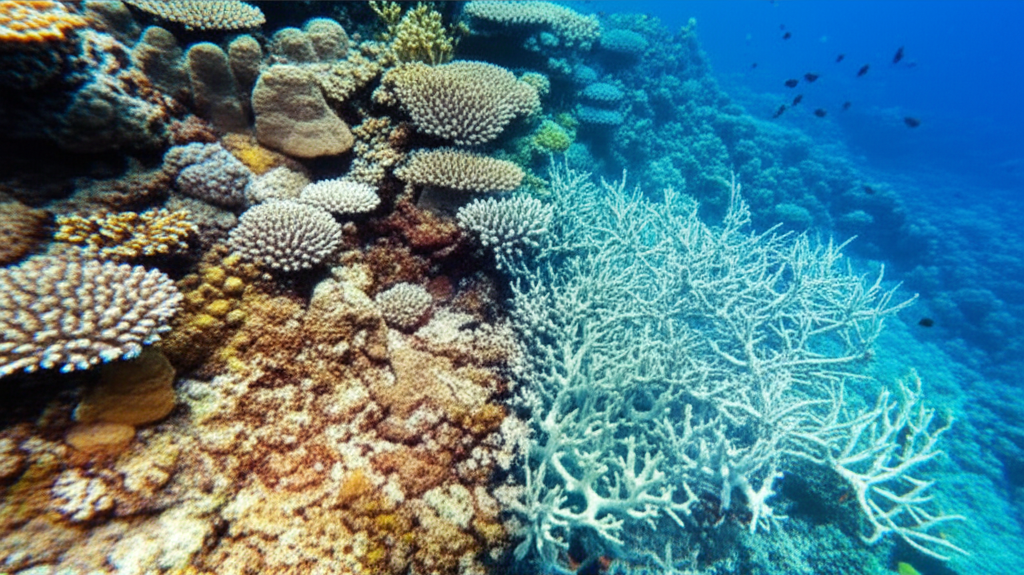
Why are the world’s magnificent coral reefs in such dire straits? Once vibrant underwater metropolises teeming with life, these critical ecosystems are now facing an urgent crisis, with significant portions already lost and more under imminent threat. Understanding the multifaceted reasons behind their rapid decline is the first crucial step toward forging effective solutions to protect these invaluable natural wonders.
The Alarming Decline: A Crisis Unfolding Beneath the Waves
Coral reefs, often dubbed the “rainforests of the sea,” are biodiversity hotspots, supporting an astonishing quarter of all marine species, despite occupying less than 0.1% of the ocean floor. They provide nurseries for countless fish, offer coastal protection from storms and erosion, and underpin the livelihoods of hundreds of millions of people through fisheries and tourism. Yet, over the past few decades, the health of these vital ecosystems has plummeted. Scientists estimate that about half of the world’s coral reefs have already disappeared, and projections for the coming decades are even more grim without drastic intervention. This isn’t just an ecological tragedy; it’s an economic, social, and humanitarian catastrophe unfolding in slow motion.
Why Coral Reefs Are Dying: The Primary Drivers
The reasons for this widespread degradation are complex and interconnected, stemming predominantly from human activities, both global and local.
Climate Change: The Overarching Threat
At the forefront of the crisis is climate change, manifesting in two critical ways:
1. Ocean Warming and Coral Bleaching: Corals have a symbiotic relationship with tiny algae called zooxanthellae, which live within their tissues, providing them with food and vibrant coloration. When ocean temperatures rise and stay elevated for prolonged periods (even just 1-2 degrees Celsius above average), corals become stressed and expel these algae. This phenomenon, known as coral bleaching, leaves the coral white and vulnerable. While corals can recover from mild, short-term bleaching events, prolonged or severe bleaching often leads to starvation and death. The frequency and intensity of mass bleaching events have increased dramatically in recent years, leaving reefs little time to recover between episodes.
2. Ocean Acidification: The oceans absorb a significant portion of the carbon dioxide released into the atmosphere. As CO2 dissolves in seawater, it forms carbonic acid, reducing the ocean’s pH – a process called ocean acidification. This makes it harder for corals and other marine organisms (like shellfish and plankton) to build and maintain their calcium carbonate skeletons and shells. Essentially, acidic waters slowly erode the very structures that corals need to grow and thrive, weakening reefs and making them less resilient to other stressors.
Local Human Impacts: Pressures Close to Home
While climate change poses a global, existential threat, local human activities exacerbate the problem and push already stressed reefs past their breaking point.
Pollution: Runoff from land-based activities introduces a cocktail of harmful substances into coastal waters.
Nutrient Pollution: Agricultural fertilizers, sewage, and livestock waste introduce excessive nitrogen and phosphorus. These nutrients stimulate the growth of algae, which can smother corals and compete with them for light and space.
Sedimentation: Deforestation, unsustainable coastal development, and construction practices lead to increased soil erosion. This sediment can blanket corals, blocking sunlight needed for photosynthesis and clogging their feeding mechanisms.
Plastic Pollution: Microplastics can be ingested by corals, causing physical damage and stress, while larger plastic items can smother or abrade coral colonies.
Chemical Pollution: Pesticides, herbicides, industrial chemicals, and even sunscreens containing oxybenzone can be toxic to corals and disrupt their reproductive cycles.
Overfishing and Destructive Fishing Practices: When too many fish are removed from a reef, especially herbivorous species (like parrotfish), the delicate ecological balance is disrupted. Algae, normally kept in check by grazers, can proliferate and outcompete corals. Destructive fishing methods, such as dynamite fishing and cyanide fishing, cause immediate and irreparable physical damage to reef structures, obliterating them in an instant.
Coastal Development: Unplanned and rapid coastal development, including dredging, land reclamation, and construction of marinas and hotels, directly destroys reef habitats through physical impact, increased sedimentation, and pollution.
Unregulated Tourism: While tourism can support conservation efforts, poorly managed activities can harm reefs. Anchor damage, boat groundings, physical contact from divers and snorkelers, and over-collection of coral souvenirs all contribute to reef degradation.
Diseases and Pests
Weakened corals, stressed by warming waters and pollution, become more susceptible to diseases. Outbreaks of coral diseases (e.g., White Band Disease, Stony Coral Tissue Loss Disease) can sweep through reefs, causing rapid mortality. Additionally, natural predators like the Crown-of-Thorns starfish can undergo population explosions, devastating large areas of coral when their own predators are overfished.
Beyond the Statistics: The Far-Reaching Consequences
The death of coral reefs triggers a cascade of negative impacts:
Loss of Biodiversity: Millions of species depend on reefs, and their decline means a massive loss of marine life.
Increased Coastal Vulnerability: Without reefs to buffer storm surges and waves, coastlines become more exposed to erosion and damage, threatening human communities and infrastructure.
Food Insecurity: Fisheries collapse as fish populations dwindle, impacting food supplies for coastal communities.
Economic Collapse: Tourism industries reliant on healthy reefs suffer, leading to job losses and economic hardship.
Loss of Potential Cures: Reef organisms are a rich source of compounds with biomedical potential, offering hope for new medicines. Their loss could mean losing undiscovered cures for diseases.
What Can Be Done: A Call to Action
Halting and reversing the decline of coral reefs requires a comprehensive global and local effort.
Combat Climate Change: The most critical action is to drastically reduce global greenhouse gas emissions to limit ocean warming and acidification. This means transitioning to renewable energy, improving energy efficiency, and promoting sustainable land use.
Strengthen Local Management: Establish and effectively enforce Marine Protected Areas (MPAs), regulate coastal development, eliminate destructive fishing practices, and control pollution from land-based sources through improved wastewater treatment and agricultural practices.
Support Research and Restoration: Invest in scientific research to understand coral resilience and disease, and support innovative restoration techniques like coral gardening and assisted evolution.
Promote Sustainable Tourism: Educate tourists on responsible practices, support eco-tourism initiatives, and ensure tourist activities do not degrade reef environments.
Individual Action: Everyone can contribute by reducing their carbon footprint, making sustainable seafood choices, avoiding destructive products, and advocating for stronger environmental policies.
The coral reef crisis is an undeniable testament to humanity’s profound impact on the planet. Their survival is not just an ecological imperative but a human one. Collective, decisive action is needed now to ensure these vibrant underwater worlds continue to thrive for generations to come.
0 Comments