
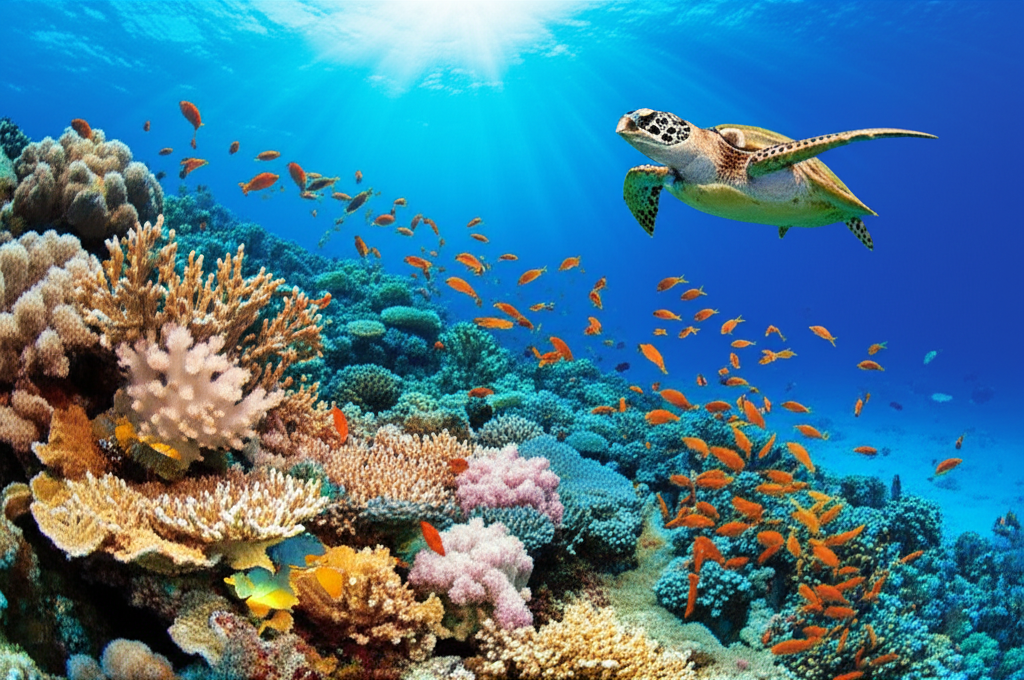
What makes coral reefs vital to the health of our planet is a question that unveils a mesmerizing world brimming with life, invaluable services, and stunning beauty. Far from being mere underwater rock formations, coral reefs are complex, living ecosystems that underpin marine biodiversity, protect coastlines, and sustain millions of people globally. Often referred to as the “rainforests of the sea,” these intricate underwater cities are truly irreplaceable treasures, providing a window into the interconnectedness of life on Earth.
Biodiversity Hotspots: The Nurseries of the Ocean
One of the most profound reasons for the vitality of coral reefs lies in their unparalleled biodiversity. Despite covering less than 0.1% of the ocean floor, they support an estimated 25% of all marine species. This astounding concentration of life includes thousands of species of fish, crustaceans, mollusks, worms, sponges, and marine reptiles. These vibrant ecosystems serve as critical breeding grounds, nurseries, feeding grounds, and shelters for countless organisms, many of which are commercially important species.
Baby fish and invertebrates find refuge within the reef’s complex structures, protected from predators during their most vulnerable stages. Without reefs, the intricate food webs would collapse, leading to a cascade of extinctions and a severe decline in ocean health. The genetic diversity found within these ecosystems also holds immense potential for scientific discovery, from understanding evolutionary processes to developing new medicines.
Coastal Protection: Nature’s Sea Walls
Beyond their ecological significance, coral reefs provide essential physical protection for coastlines. Acting as natural breakwaters, they dissipate wave energy, significantly reducing the impact of storms, tsunamis, and rising sea levels. Studies have shown that reefs can reduce wave energy by up to 97%, shielding coastal communities, infrastructure, and crucial ecosystems like mangroves and seagrass beds from erosion and damage.
For millions living in low-lying coastal areas, this natural buffering service is invaluable, preventing billions of dollars in potential flood damage and protecting lives. As climate change intensifies and extreme weather events become more frequent, the protective role of healthy coral reefs becomes even more critical for human resilience and adaptation.
Economic Engines: Sustaining Livelihoods
The economic contributions of coral reefs are staggering. They directly support the livelihoods of hundreds of millions of people worldwide, particularly in developing nations.
Fisheries: Reefs are primary fishing grounds, providing food security and income for communities reliant on the ocean. The global economic value of coral reef fisheries is estimated to be billions of dollars annually.
Tourism: Dive tourism, snorkeling, and other reef-related recreational activities are major drawcards, generating significant revenue for local economies. Hotels, restaurants, tour operators, and countless other businesses thrive on the beauty and accessibility of coral reefs, supporting jobs and economic development.
* Scientific Research & Pharmaceuticals: The unique organisms inhabiting reefs are a goldmine for scientific research. Many marine species produce biochemical compounds with potential pharmaceutical applications, offering hope for new drugs to treat cancer, arthritis, bacterial infections, and other diseases. The discovery of new compounds underscores the importance of preserving these living pharmacies.
What Lies Beneath: The Intricate Ecosystem
At the heart of a coral reef’s amazing productivity is the coral polyp itself. These tiny, colonial animals, relatives of jellyfish and anemones, build huge calcium carbonate structures over millennia. Their success is largely due to a remarkable symbiotic relationship with microscopic algae called zooxanthellae, which live within the coral tissue. These algae perform photosynthesis, converting sunlight into energy, much of which they share with the coral. In return, the coral provides the algae with a protected environment and compounds necessary for photosynthesis.
This partnership allows corals to grow rapidly enough to build the massive reef structures that create diverse habitats. The intricate, three-dimensional architecture of the reef then provides shelter and food for a vast array of marine life, fuelling the incredible biodiversity and productivity observed. Nutrient cycling is highly efficient within these systems, meaning little energy or biomass goes to waste, further enhancing their capacity to support life.
The Fragility and Future of Reefs
Despite their immense importance, coral reefs are incredibly fragile and face unprecedented threats. Climate change, leading to ocean warming and acidification, is perhaps the greatest danger. Rising temperatures cause coral bleaching, where corals expel their zooxanthellae and often die. Ocean acidification, caused by increased absorption of CO2, makes it harder for corals to build their skeletons.
Other threats include pollution from land-based sources, overfishing, destructive fishing practices, and unsustainable tourism. The degradation of coral reefs has far-reaching consequences, impacting not only marine life but also human communities reliant on their services.
Preserving coral reefs requires a concerted global effort. This includes reducing greenhouse gas emissions, improving water quality, establishing marine protected areas, and promoting sustainable fishing and tourism practices. Recognising reefs for their true value – as vital life support systems for our planet – is the first step towards ensuring their survival for future generations. Their stunning beauty is merely a reflection of their profound and irreplaceable importance.
0 Comments