
- Understanding the Chemistry Behind Rust
- The Far-Reaching Impact of Rust
- Essential Strategies for Rust Prevention
- Barrier Coatings: Your First Line of Defense
- Material Selection and Design
- Environmental Control and Maintenance
- Sacrificial Protection and Inhibitors
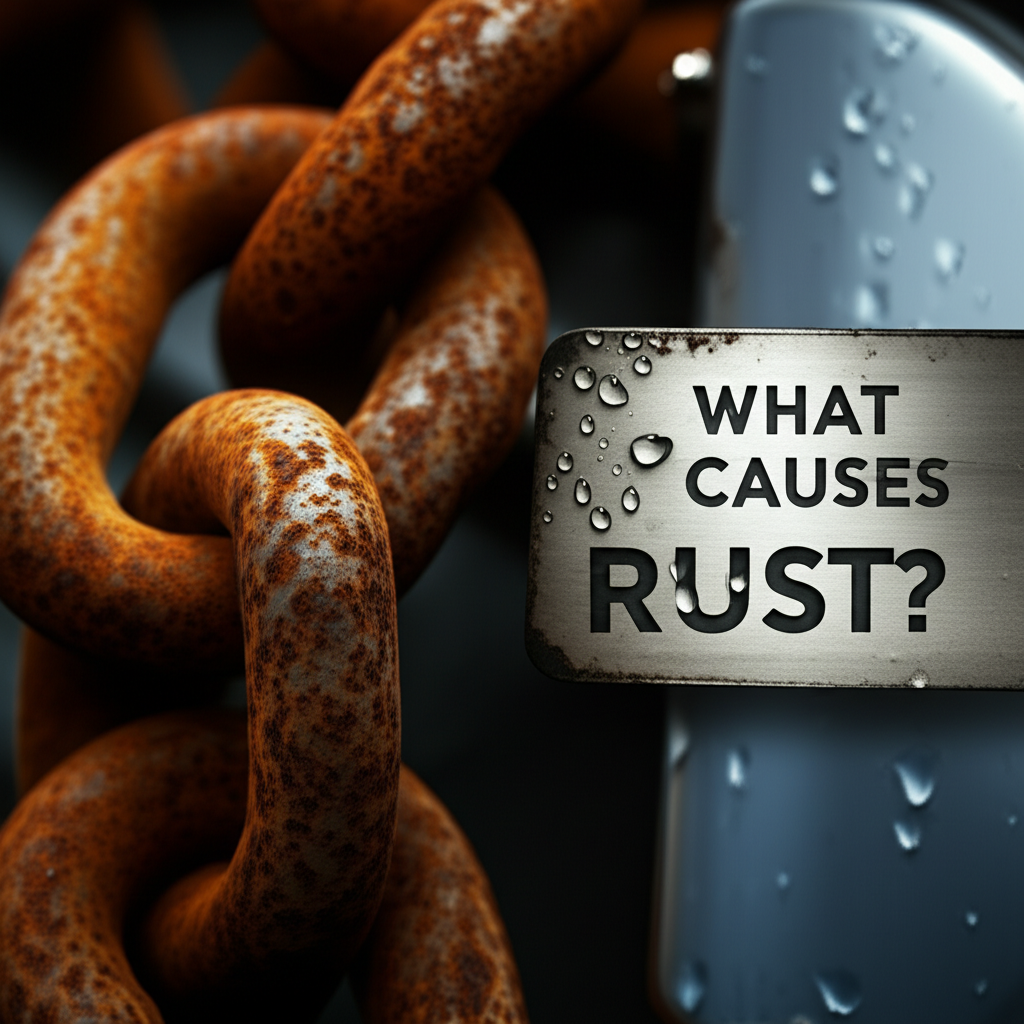
What causes rust? This ubiquitous red-brown flaky substance is more than just an unsightly blemish; it’s a destructive force that impacts everything from our household tools to massive infrastructure. Understanding precisely what triggers this chemical reaction and, crucially, how to prevent it, is vital for preserving the longevity and safety of countless metal objects and structures around us. Rust, scientifically known as iron oxide, is a specific type of corrosion that occurs when iron or its alloys, like steel, come into contact with oxygen and moisture over time.
Understanding the Chemistry Behind Rust
At its core, rust is an electrochemical process. Iron, in the presence of water and oxygen, acts as an anode, losing electrons in a process called oxidation. The oxygen in the water acts as a cathode, gaining those electrons in a process called reduction. This sequence of electron transfer leads to the formation of hydrated iron(III) oxides, which we recognize as rust.
For this reaction to occur, three key components must be present:
1. Iron (Fe): The metal itself, or an alloy containing iron (like steel).
2. Oxygen (O2): Typically found in the air.
3. Water (H2O): Moisture in the air, rain, humidity, or direct immersion.
The chemical equation for the formation of rust can be simplified as:
4Fe + 3O2 + 6H2O → 4Fe(OH)3 (which then dehydrates to various forms of Fe2O3·nH2O, or rust)
So, what exactly accelerates the rusting process? While oxygen and water are essential, several factors can speed up the rate at which iron corrodes:
Salinity: Saltwater is a far more effective electrolyte than freshwater. The ions in salt accelerate the electron transfer, dramatically increasing the rate of rust formation. This is why coastal regions and road salts used in winter are notorious for causing rust.
Acidity: Acidic environments (low pH) accelerate the oxidation of iron. Acid rain, for instance, can significantly contribute to the corrosion of outdoor metal structures.
Temperature: Generally, higher temperatures can accelerate chemical reactions, including rusting, though extreme cold can slow it down.
Presence of Other Metals (Galvanic Corrosion): When two dissimilar metals are in electrical contact in an electrolyte (like water), one metal becomes an anode and corrodes faster, while the other becomes a cathode and is protected. If iron is the more active metal, it will rust faster.
Surface Imperfections: Scratches, dents, or existing rust on the metal surface can provide starting points for further corrosion to take hold.
The Far-Reaching Impact of Rust
The consequences of rust extend far beyond mere aesthetics. Its destructive power can have significant safety and economic implications:
Structural Integrity: Rust weakens metal, compromising the structural integrity of bridges, buildings, vehicles, and pipelines. A rusted beam can lead to collapse, and a rusted pipe can burst, causing leaks and contamination.
Functional Failure: Tools become seized, machine parts fail, and electronic components malfunction due to rust. This can render equipment unusable and necessitate costly replacements.
Economic Burden: The global cost of corrosion, a large portion of which is due to rust, is estimated to be in the trillions of dollars annually. This includes the cost of repair, replacement, preventative measures, and lost productivity.
Health and Safety: Corroded medical equipment, water pipes, or food processing machinery can pose serious health risks. Sharp rust can also cause tetanus-prone injuries.
Essential Strategies for Rust Prevention
Given rust’s pervasive nature and destructive potential, effective prevention is paramount. Fortunately, a variety of strategies can be employed, often in combination, to protect iron and steel from corrosion.
Barrier Coatings: Your First Line of Defense
One of the most common and effective methods is to create a physical barrier between the metal and its environment.
Paint and Primer: High-quality paints and primers act as excellent barriers to oxygen and moisture. Primers often contain rust inhibitors that provide an added layer of protection. Regular painting and prompt touch-ups are crucial.
Galvanization: This process involves coating iron or steel with a thin layer of zinc. Zinc is more reactive than iron, so it corrodes preferentially if the coating is scratched, acting as a “sacrificial” layer. This is an example of cathodic protection.
Powder Coating: A dry powder (polyester, polyurethane, etc.) is electrostatically applied to the metal and then cured under heat, forming a tough, durable, and rust-resistant finish.
Electroplating/Plating: Metals like chrome or nickel can be electrolytically deposited onto steel to provide a highly decorative and protective finish.
Material Selection and Design
Choosing the right material from the outset is often the best prevention.
Stainless Steel: An alloy of iron with chromium (and sometimes nickel), stainless steel forms a passive chromium oxide layer that prevents oxygen and water from reacting with underlying iron, making it highly rust-resistant.
Aluminum and Other Non-ferrous Metals: These metals do not contain iron and thus cannot rust in the traditional sense, though they can still corrode in other ways (e.g., aluminum oxide).
Proper Design: Designing products to avoid moisture traps, ensure good drainage, and allow for ventilation can significantly reduce rust risk.
Environmental Control and Maintenance
Controlling the surroundings and maintaining metal surfaces are simple yet powerful prevention tactics.
Humidity Control: In enclosed spaces, reducing humidity levels through dehumidifiers or desiccants can effectively prevent rust.
Regular Cleaning: Wiping down metal surfaces to remove dirt, grime, and moisture reduces the opportunity for corrosion to start.
Lubrication and Waxes: Applying oils, greases, or waxes creates a thin protective film that repels moisture.
Storage: Storing metal items in dry, elevated, and well-ventilated areas, away from direct contact with moisture or the ground, is essential.
Sacrificial Protection and Inhibitors
For more demanding applications, advanced techniques offer robust protection.
Cathodic Protection: Besides galvanization, this can involve attaching a more reactive “sacrificial anode” (like magnesium or zinc blocks) to the iron structure, which corrodes instead of the iron. Impressed current systems use an external power source to drive this protective reaction.
Corrosion Inhibitors: These are chemical compounds that can be added to liquids (like coolants or lubricants) or applied as coatings to prevent or slow down the corrosion process. They work by forming a protective film or by increasing the electrical resistance of the metal surface.
Ultimately, preventing rust is a proactive endeavor. Understanding the simple yet powerful chemical reaction that causes it allows us to implement effective strategies. Whether it’s through durable coatings, the right material choice, diligent maintenance, or sophisticated protective systems, safeguarding our metal assets from the insidious creep of iron oxide is an investment that pays dividends in longevity, safety, and economic savings.
0 Comments