
- The Brain's Astonishing Architecture and Capacity
- Unveiling The Brain's Plasticity: A Lifelong Learner
- The Enigma of Consciousness and Self
- Beyond the Conscious Mind: The Power of the Subconscious
- Peering into Brain Disorders and Mental Health
- The Future of Neuroscience: Frontiers of Discovery
- Conclusion
The human brain, a marvel of biological engineering, remains arguably the most complex and mysterious object in the known universe. Despite centuries of philosophical inquiry and decades of scientific investigation, our understanding of this three-pound organ is still in its infancy. Yet, recent advancements in neuroscience, fueled by cutting-edge technology and interdisciplinary collaboration, have begun to peel back the layers of its intricate workings, revealing stunning secrets that challenge our perceptions of thought, memory, consciousness, and even self.
The Brain’s Astonishing Architecture and Capacity
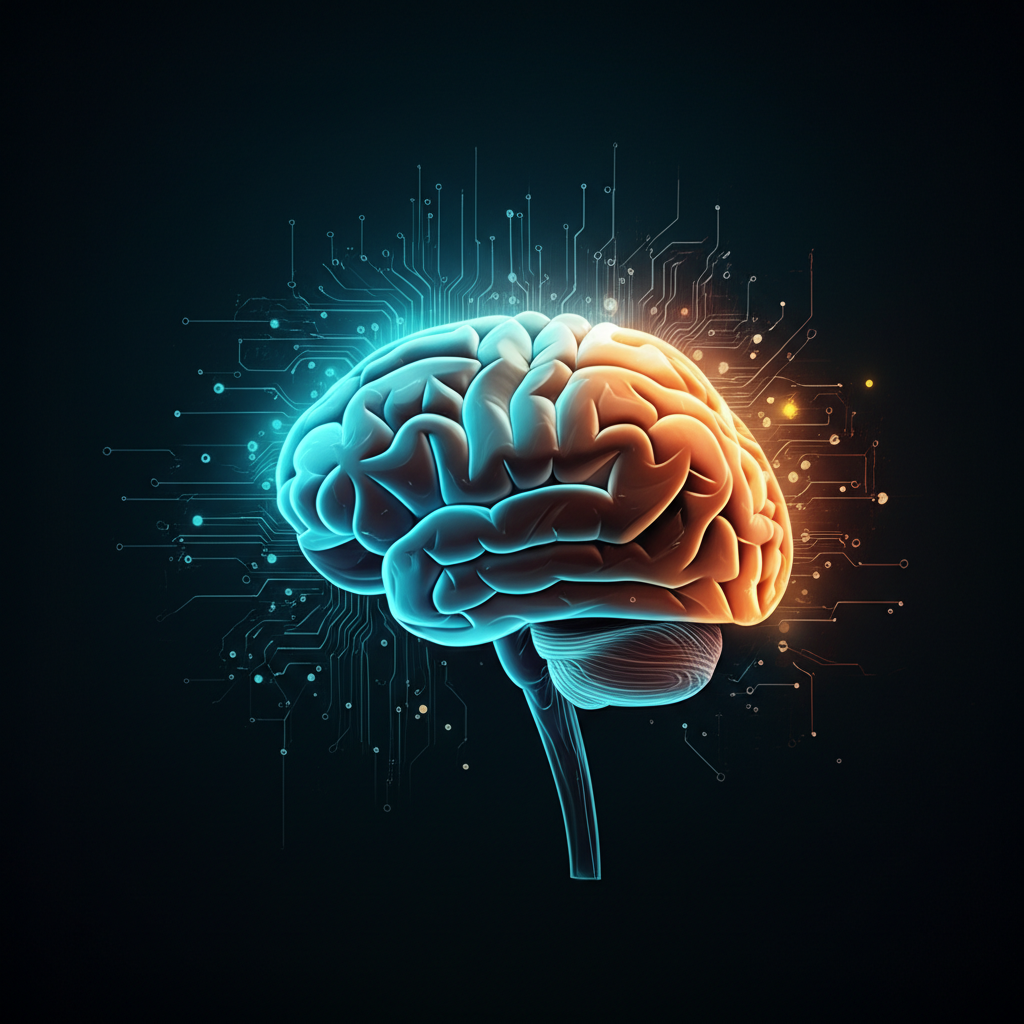
At its core, the brain is an elaborate network of approximately 86 billion neurons, each capable of forming thousands of connections with others. These connections, called synapses, allow neurons to communicate via electrical and chemical signals, forming dynamic pathways that underpin every thought, emotion, and action. The sheer scale of this network is staggering; the number of potential neural connections in a single human brain far exceeds the number of stars in our galaxy. This intricate architecture allows for unparalleled processing power, enabling us to learn languages, solve complex problems, create art, and navigate an ever-changing world. Our memory, for instance, is not stored in a single place but distributed across various regions, with some theories suggesting that its capacity is virtually limitless, constantly re-encoding and reorganizing as we accumulate new experiences.
Unveiling The Brain’s Plasticity: A Lifelong Learner
One of the most remarkable discoveries of modern neuroscience is the concept of neuroplasticity – the brain’s incredible ability to reorganize itself by forming new neural connections throughout life. For a long time, it was believed that the adult brain was a static entity, its fundamental structure fixed after childhood. We now know this is far from the truth. The brain is constantly adapting, literally rewiring itself in response to experience, learning, and even injury.
This inherent flexibility explains why we can learn new languages or skills at any age, why musicians often have enlarged motor areas in their brains, or how individuals recovering from a stroke can regain lost functions as other parts of the brain compensate. Neuroplasticity is not just about adapting to new information; it’s also crucial for recovery from trauma and for enhancing cognitive abilities. Understanding this capacity opens new avenues for therapeutic interventions, educational strategies, and even combating the effects of aging on the brain.
The Enigma of Consciousness and Self
Perhaps the most profound secret that continues to elude complete scientific explanation is consciousness itself – the subjective experience of being aware, of having thoughts, feelings, and a sense of self. While we can pinpoint brain regions associated with specific conscious functions, the “hard problem” of consciousness – how physical processes in the brain give rise to subjective experience – remains unsolved. Theories range from complex information integration across different brain regions to quantum processes at the sub-atomic level. Research into states like dreaming, meditation, and altered consciousness continues to provide clues, suggesting that consciousness might be a spectrum rather than an on/off switch, deeply interwoven with our brain’s predictive models of the world.
Beyond the Conscious Mind: The Power of the Subconscious
While our conscious mind grapples with immediate tasks, a vast reservoir of subconscious activity operates beneath the surface, influencing our decisions, emotions, and behaviors. This includes automatic processes like breathing and digestion, ingrained habits, and intuitive responses. Studies have shown that many decisions are made by the subconscious mind milliseconds before we consciously register making them. This powerful undercurrent shapes our biases, memories, and motivations, highlighting that our conscious ‘self’ is only a small part of the mental activity defining us. Exploring the subconscious mind helps us understand everything from phobias and anxieties to flashes of creativity and sudden insights, revealing a hidden engine driving much of our daily lives.
Peering into Brain Disorders and Mental Health
Unlock the secrets of the brain isn’t just about satisfying curiosity; it has profound implications for human health. Increased understanding of brain function and malfunction is revolutionizing our approach to neurological and psychiatric disorders. From Alzheimer’s and Parkinson’s disease to depression, anxiety, and schizophrenia, these conditions are being increasingly understood through the lens of disrupted neural networks, imbalanced neurotransmitters, or genetic predispositions. Advanced brain imaging techniques, genetic sequencing, and optogenetics (controlling neurons with light) are enabling scientists to map disease progression, identify potential biomarkers, and develop more targeted and effective treatments, offering hope for millions affected worldwide.
The Future of Neuroscience: Frontiers of Discovery
The journey into the brain’s depths is far from over. The future promises even more astonishing revelations. Brain-computer interfaces (BCIs), once the stuff of science fiction, are rapidly becoming reality, offering the potential for paralyzed individuals to control prosthetic limbs with their thoughts or for enhanced human-computer interaction. Artificial intelligence and machine learning are increasingly used to analyze vast datasets of brain activity, spotting patterns that human researchers might miss. Ethical considerations surrounding these powerful technologies – from privacy to the very definition of humanity – are also becoming central to the discussion.
Conclusion
The human brain, with its breathtaking complexity and unfathomable depth, continues to be a source of endless fascination. Each unlocked secret not only deepens our scientific understanding but also prompts profound philosophical questions about who we are, how we perceive reality, and what it means to be alive. While much has been deciphered in recent decades, the grandest mysteries still await answers. The ongoing quest to comprehend the brain’s inner workings promises to be one of humanity’s most exciting and impactful endeavors, continuously redefining the boundaries of what we thought possible.
0 Comments