
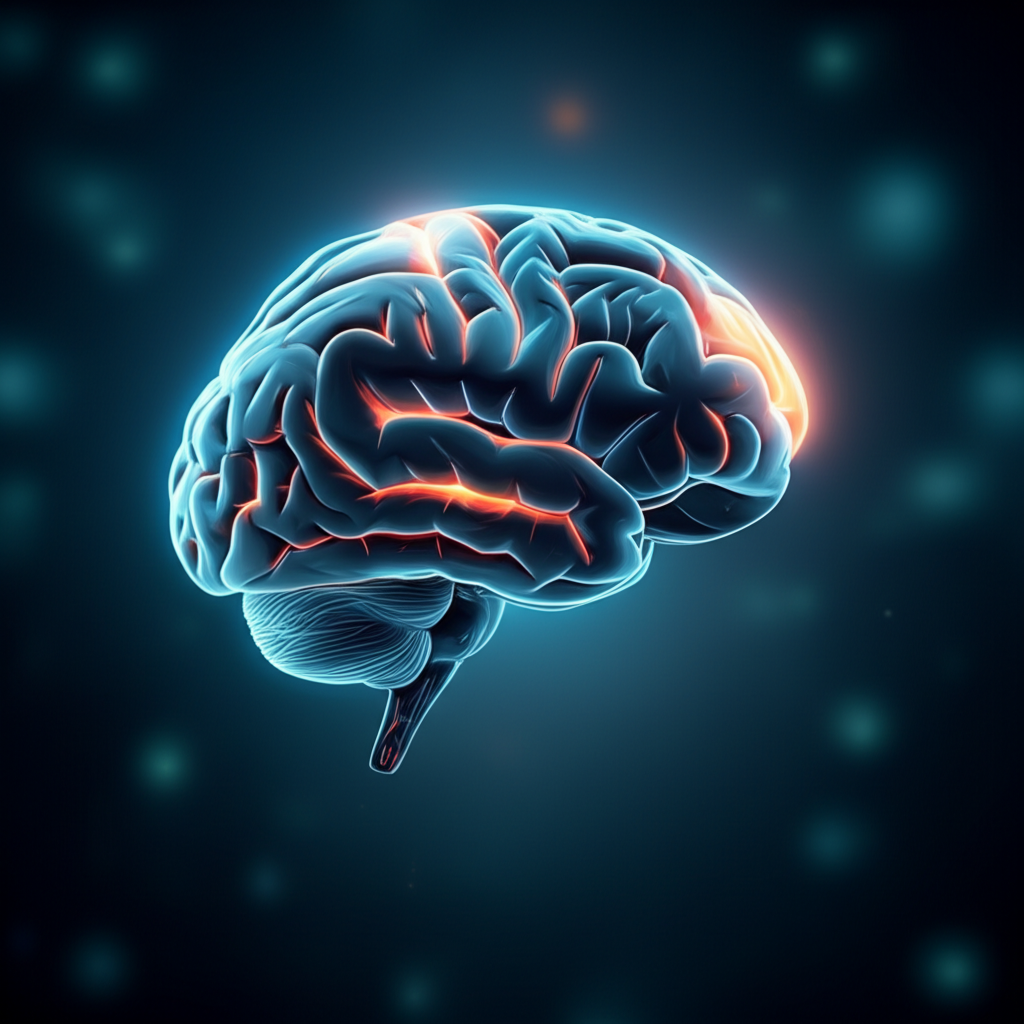
The human brain, an intricate marvel weighing roughly three pounds, stands as the most complex known object in the universe. It is the command center of our existence, meticulously orchestrating every thought, emotion, memory, and action, yet much of its inner workings remain shrouded in profound mystery. For centuries, philosophers and scientists alike have grappled with understanding this enigmatic organ, and while modern neuroscience has chipped away at some of its secrets, the sheer depth of its capabilities and the origins of consciousness continue to astound us. From the spark of a new idea to the intricate dance of electrochemical signals that govern our deepest dreams, the brain is a universe unto itself, constantly revealing stunning new dimensions of its power and potential.
The Astonishing Architecture of the Human Brain
At its fundamental level, the brain is a vast network of approximately 86 billion neurons, each capable of forming thousands of connections with other neurons. These connections, known as synapses, are the highways for communication, transmitting information through electrical impulses and chemical neurotransmitters. This elaborate wiring system is not random; it’s a meticulously organized structure divided into distinct regions, each specializing in particular functions.
The cerebral cortex, the wrinkled outer layer, is responsible for higher-level functions like language, memory, and conscious thought. Beneath it lie structures like the hippocampus, crucial for forming new memories, and the amygdala, which plays a central role in processing emotions, particularly fear. The cerebellum, located at the back of the brain, coordinates voluntary movements and balance, while the brainstem governs essential life-sustaining functions such as breathing and heart rate. It is this astonishing architectural complexity that underpins the brain’s incredible capacity to process, interpret, and respond to the world around us.
The Enigma of Consciousness
Perhaps the most profound mystery of the brain is consciousness itself. What is it that gives rise to our subjective experience, our sense of self, and our awareness of being alive? Despite significant advancements in mapping brain activity, the “hard problem” of consciousness – how physical processes in the brain give rise to qualitative subjective experience – remains largely unsolved. Scientists can observe neural correlates of consciousness, identifying which brain regions are active when we are conscious, awake, or dreaming. However, identifying where consciousness resides or how physical signals translate into the feeling of pain, the taste of chocolate, or the joy of a memory, continues to be a frontier of intense research.
Current theories range from integrated information theory, which posits that consciousness arises from the integration of information in complex systems, to global workspace theory, suggesting it emerges when information becomes widely available to various brain systems. Regardless of the theory, the quest to unravel the very essence of our subjective experience drives much of contemporary neuroscience.
Unraveling The Dynamics of Memory
Our memories define who we are, shaping our understanding of the past and influencing our future decisions. But how does the brain store and retrieve this vast repository of information, from the taste of a childhood meal to the complex theories we learn in adulthood? The process is far more dynamic than a simple filing cabinet. Memories are not stored in a single location but distributed across various brain regions, reactivated and reconstructed each time they are recalled.
Short-term memories are fragile and temporary, often residing in the prefrontal cortex. If deemed important, they undergo a process called consolidation, mediated by the hippocampus, moving into long-term storage in the cerebral cortex. This consolidation involves changes at the synaptic level, strengthening the connections between neurons, creating long-lasting neural pathways. The fact that memories can be strengthened, weakened, or even altered demonstrates the incredible flexibility of our brain in continually rewriting the narrative of our lives.
The Power of Neuroplasticity
One of the most revolutionary discoveries in brain science is neuroplasticity – the brain’s remarkable ability to reorganize itself by forming new neural connections throughout life. For a long time, it was believed that the adult brain was a static structure, its development fixed by early adulthood. We now know this is far from the truth. The brain constantly adapts and changes in response to learning, experience, and even injury.
Every new skill we acquire, every new language we learn, every new memory we form, subtly reshapes the brain’s physical structure. This adaptability is the reason why people can recover from strokes, why musicians have larger areas of their brains dedicated to finger control, and why London taxi drivers, famed for memorizing countless street maps, develop larger hippocampi. Neuroplasticity offers immense hope for therapy and rehabilitation, demonstrating the brain’s lifelong capacity for growth, repair, and learning.
The Subconscious Mind: An Unseen Architect
While much of our conscious life is spent thinking, planning, and perceiving, a vast amount of mental activity occurs beneath the surface, in the realm of the subconscious mind. This unseen architect of our thoughts and behaviours processes an enormous amount of information, influencing our decisions, instincts, and automatic responses without our direct awareness. From regulating our breathing and heartbeat to processing sensory input and triggering gut feelings, the subconscious mind tirelessly works in the background.
It is home to our learned habits, ingrained biases, and deeply held beliefs. Understanding its influence can shed light on phenomena like intuition, automatic reflexes, and even the power of suggestion. While harder to study directly, acknowledging the profound impact of the subconscious mind adds another layer to the intricate tapestry of human cognition.
Glimpsing The Future of Brain Science
The journey into the brain’s mysteries is far from over. Advances in imaging technologies like fMRI and optogenetics, coupled with the power of artificial intelligence and machine learning, are accelerating our understanding at an unprecedented pace. Researchers are working towards developing brain-computer interfaces (BCIs) to restore movement or communication for individuals with neurological disorders, creating personalized treatments for mental health conditions, and even exploring potential avenues for enhancing cognitive abilities.
From the molecular mechanisms of disease to the grand theories of consciousness, each new discovery illuminates another facet of this extraordinary organ. The human brain remains a frontier of endless exploration, promising to reveal even more stunning insights into what it means to be human and the boundless potential residing within us all.
0 Comments