
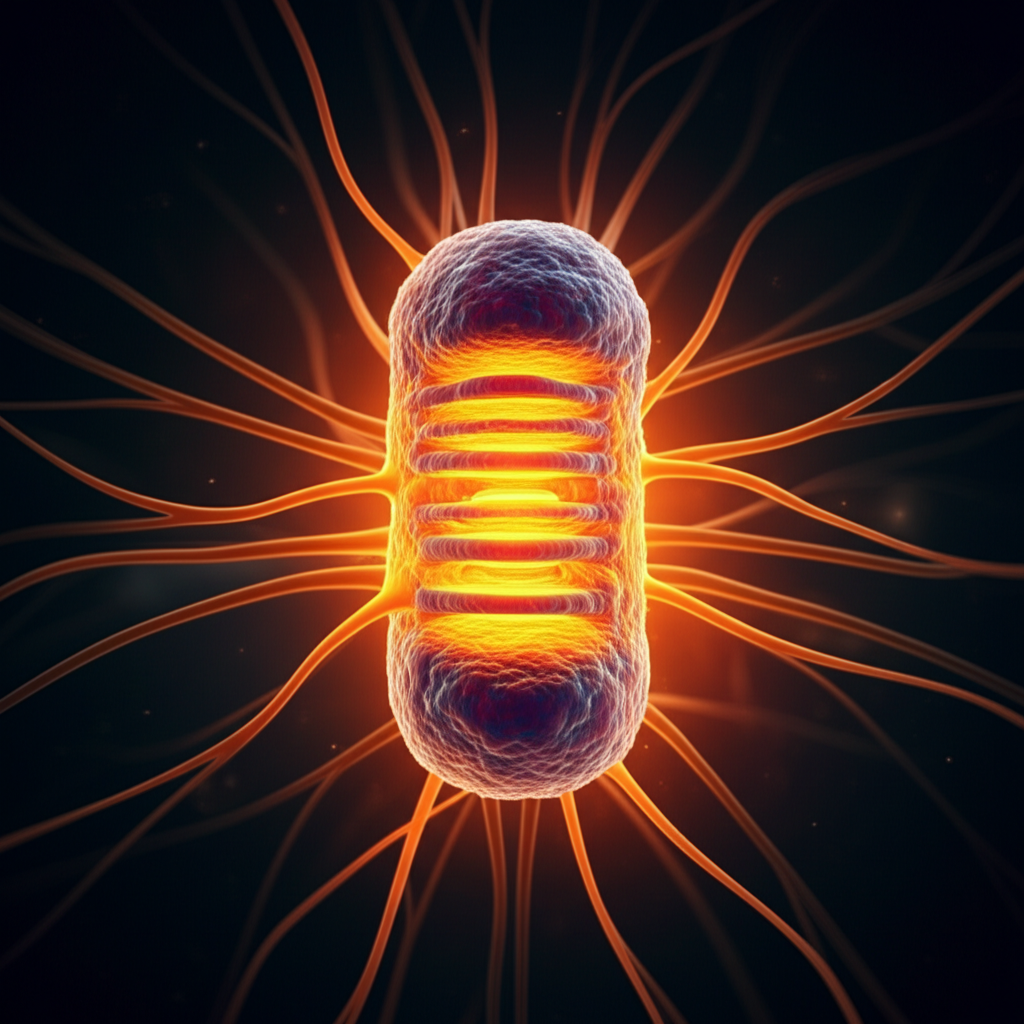
- Beyond the Powerhouse: The Multifaceted Roles of Mitochondria
- Mitochondrial Health: A Cornerstone of Well-being
- Unlocking The Potential: Enhancing Mitochondrial Function
- The Future of Mitochondrial Advancement
The secret power of mitochondria extends far beyond their well-known role as the “powerhouses of the cell.” Often depicted simply as cellular energy generators, these ubiquitous organelles hold a far more intricate and dynamic influence over our health, aging, and overall cellular destiny. While they tirelessly produce ATP, the body’s primary energy currency, their hidden talents encompass a vast array of critical functions that are only now beginning to be fully understood, unveiling a new frontier in health and disease research.
Beyond the Powerhouse: The Multifaceted Roles of Mitochondria
For decades, textbooks primarily highlighted mitochondria’s role in cellular respiration, converting glucose and oxygen into ATP. This process, vital as it is, merely scratches the surface of their profound impact. Modern science reveals mitochondria are pivotal orchestrators of cellular life, involved in processes as diverse as immunity, metabolism, and programmed cell death.
Calcium Signaling Regulators: Mitochondria act as crucial buffers and integrators of calcium signals within the cell. Calcium dynamics are fundamental for processes like muscle contraction, neurotransmission, and gene expression. By finely tuning calcium levels, mitochondria influence everything from synaptic plasticity in the brain to the beating of your heart, demonstrating their deep involvement in cellular communication networks.
Apoptosis Inducers (Programmed Cell Death): When a cell is damaged beyond repair or becomes cancerous, it needs to be eliminated safely. Mitochondria play a central role in initiating and executing apoptosis, a controlled process of cell suicide. They release pro-apoptotic proteins that trigger the dismantling of the cell, preventing rogue cells from proliferating and maintaining tissue homeostasis. Dysfunction in this role can lead to cancer or neurodegenerative diseases.
Immune System Warriors: Mitochondria are not passive bystanders in the immune response; they are active participants. They can detect pathogens, generate reactive oxygen species to fight infections, and modulate inflammatory pathways. This intricate relationship means mitochondrial health is directly linked to the strength and regulation of our immune defenses, impacting our susceptibility to infections and autoimmune conditions.
Redox Signaling Hubs: In addition to producing energy, mitochondria are major producers of reactive oxygen species (ROS). While excessive ROS can cause oxidative stress, controlled ROS production acts as crucial signaling molecules that regulate cellular processes, including adaptation to stress, gene expression, and lifespan. Mitochondria maintain a delicate balance between ROS generation and antioxidant defense, a critical aspect of cellular resilience.
Metabolic Command Centers: Beyond glucose metabolism, mitochondria are central to the metabolism of fats and amino acids. They house the enzymes for fatty acid oxidation (burning fat for fuel) and play a role in synthesizing various metabolic intermediates. Their metabolic flexibility allows cells to adapt to different fuel sources, a critical function for energy balance and metabolic health.
Mitochondrial Health: A Cornerstone of Well-being
Given their expansive roles, it’s clear that the health and functionality of our mitochondria directly correlate with our overall wellness. Mitochondrial dysfunction is implicated in a staggering array of conditions, including chronic fatigue syndrome, neurodegenerative diseases like Parkinson’s and Alzheimer’s, metabolic disorders such as type 2 diabetes, cardiovascular disease, and even the aging process itself. Maintaining robust mitochondrial function isn’t just about energy; it’s about preserving cellular vitality and preventing disease.
Unlocking The Potential: Enhancing Mitochondrial Function
The good news is that we are not powerless in the face of mitochondrial decline. Scientific research has identified several key strategies that can boost mitochondrial health, biogenesis (the creation of new mitochondria), and efficiency:
Targeted Nutrition:
Antioxidants: Foods rich in antioxidants (berries, leafy greens) help mitigate oxidative stress.
Mitochondrial Nutrients: Coenzyme Q10 (CoQ10), B vitamins, magnesium, alpha-lipoic acid, and L-carnitine are vital for mitochondrial function.
Fasting & Ketosis: Intermittent fasting and ketogenic diets can promote mitochondrial biogenesis and efficiency by shifting metabolism towards fat burning.
Regular Exercise: Both endurance training and high-intensity interval training (HIIT) are powerful stimulators of mitochondrial biogenesis and improve their capacity to produce energy. Exercise places a healthy stress on cells, prompting mitochondria to adapt and multiply.
Stress Management & Sleep: Chronic psychological stress can impair mitochondrial function. Practices like mindfulness, meditation, yoga, and ensuring adequate, restorative sleep are crucial for optimizing cellular health.
Cold and Heat Exposure: Deliberate exposure to cold (cold showers, ice baths) and heat (saunas) can trigger hormesis, a beneficial stress response that enhances mitochondrial function and cellular resilience.
The Future of Mitochondrial Advancement
The ongoing exploration into mitochondrial function promises revolutionary advancements in medicine and anti-aging strategies. Scientists are investigating therapeutic interventions aimed at enhancing mitochondrial function in diseases where it is compromised. This includes gene therapies, pharmacological agents that stimulate mitochondrial biogenesis, and strategies to remove damaged mitochondria (mitophagy). Understanding how to harness the immense power within these tiny organelles holds the key to developing new treatments for a multitude of chronic conditions and potentially extending healthy human lifespan.
In essence, mitochondria are far more than mere energy factories. They are the sophisticated conductors of cellular life, influencing an intricate symphony of physiological processes that dictate our health and longevity. Unveiling their secret powers compels us to look beyond simplistic views of cellular function and embrace a holistic approach to nurturing these vital cellular components for a healthier future.
0 Comments