The Sacred Balance of Nature
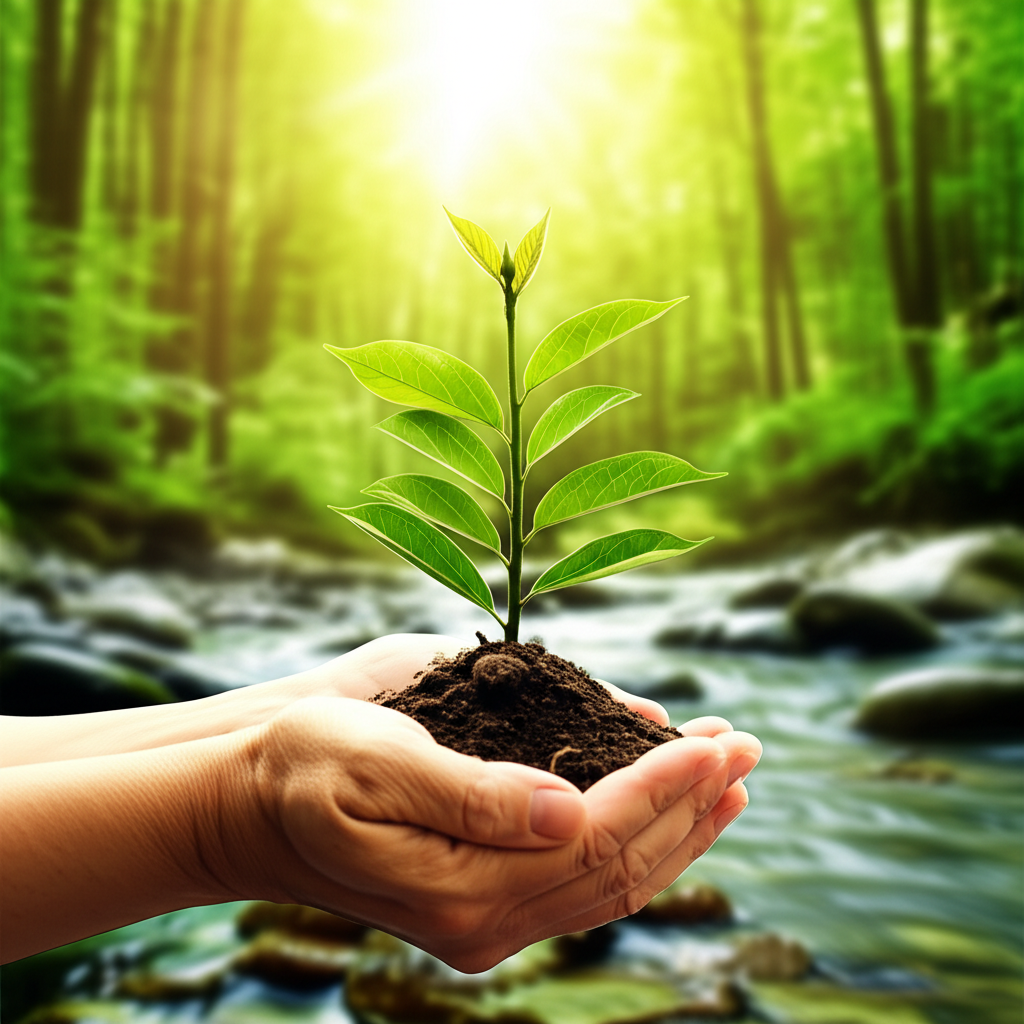
The delicate interplay of forces that governs our planet is often referred to as the sacred balance of nature. It’s an intricate, awe-inspiring system where every element, from the smallest microbe to the largest ocean current, plays a critical role in maintaining the health and stability of the whole. This profound equilibrium is not a static state but a dynamic dance of life and death, growth and decay, adaptation and resilience, meticulously orchestrated over millennia. Understanding this inherent balance is not just a scientific pursuit; it’s a philosophical and spiritual journey that reveals our own place within this magnificent tapestry.
Understanding the Interconnected Web of Life
At its core, nature’s balance is built upon an incredibly complex web of interconnectedness. Every living organism exists within an ecosystem, a community of interacting organisms and their physical environment. Within these systems, energy flows and nutrients cycle through elaborate food webs. Predators keep prey populations in check, ensuring that no single species overwhelms its resources. Decomposers, like fungi and bacteria, break down organic matter, returning vital nutrients to the soil for plants to absorb, thus completing the cycle.
Consider the classic example of a forest. Trees provide shelter and food, regulate temperature, and produce the oxygen we breathe. Their roots stabilize the soil, preventing erosion. Insects pollinate flowers, allowing plants to reproduce. Birds disperse seeds, helping forests expand. Animals, from deer to bears, process plant matter and, in turn, become food for apex predators. If one element – say, a particular insect species – were to vanish, the ripple effect could be catastrophic, impacting the plants it pollinates, the birds that feed on it, and ultimately, the entire forest ecosystem. This intricate dependence underscores the importance of every single component, no matter how small.
The Role of Biodiversity in Natural Resilience
A cornerstone of this sacred balance is biodiversity – the variety of life on Earth at all its levels, from genes to ecosystems. A healthy ecosystem is a diverse ecosystem. When a wide array of species inhabits an area, the system gains redundancy and resilience. If one species struggles due to disease or environmental change, others can often step in to fill its ecological niche, preventing a complete collapse. For instance, a forest with many different tree species is less vulnerable to a single disease that might wipe out a monoculture.
Biodiversity provides a vast library of genetic material, allowing species to adapt to changing conditions. It ensures a robust array of ecosystem services: clean air and water, fertile soil, pollination of crops, climate regulation, and even cultural and aesthetic benefits. The loss of biodiversity, therefore, doesn’t just mean fewer interesting creatures; it signifies a dangerous weakening of nature’s inherent ability to heal and sustain itself, pushing ecosystems towards tipping points from which recovery becomes increasingly difficult.
The Cycles That Sustain Existence
Beyond the visible flora and fauna, the sacred balance of nature is underpinned by fundamental biogeochemical cycles that regulate the planet’s vital resources. The water cycle, the carbon cycle, the nitrogen cycle – these global processes continuously circulate essential elements necessary for life.
The Water Cycle: Evaporation, condensation, precipitation, and runoff ensure a constant supply of fresh water to sustain terrestrial and aquatic life. Forests act as vast natural sponges, regulating rainfall and preventing floods, while oceans play a crucial role in global climate regulation.
The Carbon Cycle: Plants absorb carbon dioxide from the atmosphere for photosynthesis, converting it into organic compounds. Animals consume plants, incorporating carbon into their bodies. Decomposers return carbon to the soil and atmosphere. Fossil fuels are ancient reserves of carbon. This cycle maintains the Earth’s temperature and supports life.
* The Nitrogen Cycle: Nitrogen, a key component of proteins and nucleic acids, is abundant in the atmosphere but unusable by most organisms in its elemental form. Nitrogen-fixing bacteria convert atmospheric nitrogen into usable forms for plants, which are then consumed by animals. Decomposers return nitrogen to the soil and atmosphere, completing the cycle.
These cycles are perfectly tuned, operating in a delicate equilibrium that has allowed life to thrive on Earth for billions of years. Any significant disruption to these cycles, such as excessive carbon emissions or large-scale deforestation, can destabilize the entire system, leading to widespread environmental consequences.
The Fragility of Equilibrium: When Balance is Tested
For millennia, nature’s balance has adapted to natural disturbances like volcanic eruptions, wildfires, and floods. However, the scale and speed of human impact are unprecedented. Activities such as industrial pollution, deforestation, intensive agriculture, and the burning of fossil fuels are rapidly pushing ecosystems beyond their capacity to adapt.
Climate change, driven by greenhouse gas emissions, is perhaps the most pervasive threat. Rising global temperatures disrupt established weather patterns, leading to more frequent and intense storms, droughts, heatwaves, and rising sea levels. These changes stress species, alter habitats, and interrupt the delicate timing of migratory patterns and reproductive cycles. Habitat destruction, through urban expansion and resource extraction, directly eradicates species and fragments ecosystems, making them more vulnerable. Pollution, from plastics in the oceans to chemicals in the soil, further poisons the wellspring of life. The introduction of invasive species, often unintentionally, outcompetes native flora and fauna, further eroding biodiversity. These combined pressures reveal the profound fragility of the equilibrium we so often take for granted.
Reclaiming Our Place: Restoring and Respecting Nature’s Balance
Acknowledging the sacred balance of nature compels us to rethink our relationship with the environment. It calls for a paradigm shift from exploitation to stewardship, from dominion to integration. Restoring this balance requires concerted global efforts alongside individual responsibility.
Conservation and ecological restoration projects are crucial. Reforestation, wetland restoration, and protected areas help to heal damaged ecosystems and safeguard biodiversity. Sustainable practices in agriculture, fishing, and forestry reduce our ecological footprint. Developing alternative energy sources minimizes our reliance on fossil fuels, mitigating climate change. Importantly, embracing indigenous wisdom, which often holds deep reverence for the Earth and its cycles, can offer invaluable insights into living in harmony with nature.
Ultimately, respecting nature’s balance means recognizing that our well-being is intrinsically linked to the health of the planet. It’s about making conscious choices to consume less, waste less, and support policies and initiatives that prioritize environmental protection. It’s about fostering a sense of wonder and gratitude for the natural world, inspiring us to become active participants in its preservation.
The sacred balance of nature is not an abstract concept; it is the very foundation of our existence. Its intricate beauty, resilience, and profound interconnectedness serve as a constant reminder of the preciousness of life on Earth. Protecting this balance is not merely an environmental goal; it is a moral imperative, essential for the survival and flourishing of all species, including our own. By understanding and respecting this ancient equilibrium, we can work towards a future where humanity and nature thrive in sustainable harmony.
0 Comments