
- A Universe Within: Understanding The Brain's Architecture
- The Elusive Phenomenon of Consciousness
- The Brain's Incredible Adaptability: Neuroplasticity
- Unlocking The Subconscious Mind's Influence
- The Future of Brain Science: What Lies Ahead?
Decoding the Human Brain: Unveiling Its Most Astonishing Secrets
The human brain, an intricate marvel weighing roughly three pounds, is undeniably the most complex object in the known universe. It is the command center that orchestrates our every thought, emotion, memory, and action, housing the very essence of who we are. For centuries, philosophers and scientists alike have pondered its mysteries, and while we’ve made astounding progress, the depths of its capabilities and the mechanisms behind its “mind-blowing secrets” continue to astonish and challenge us. Let’s delve into some of the most remarkable aspects of this incredible organ.
A Universe Within: Understanding The Brain’s Architecture
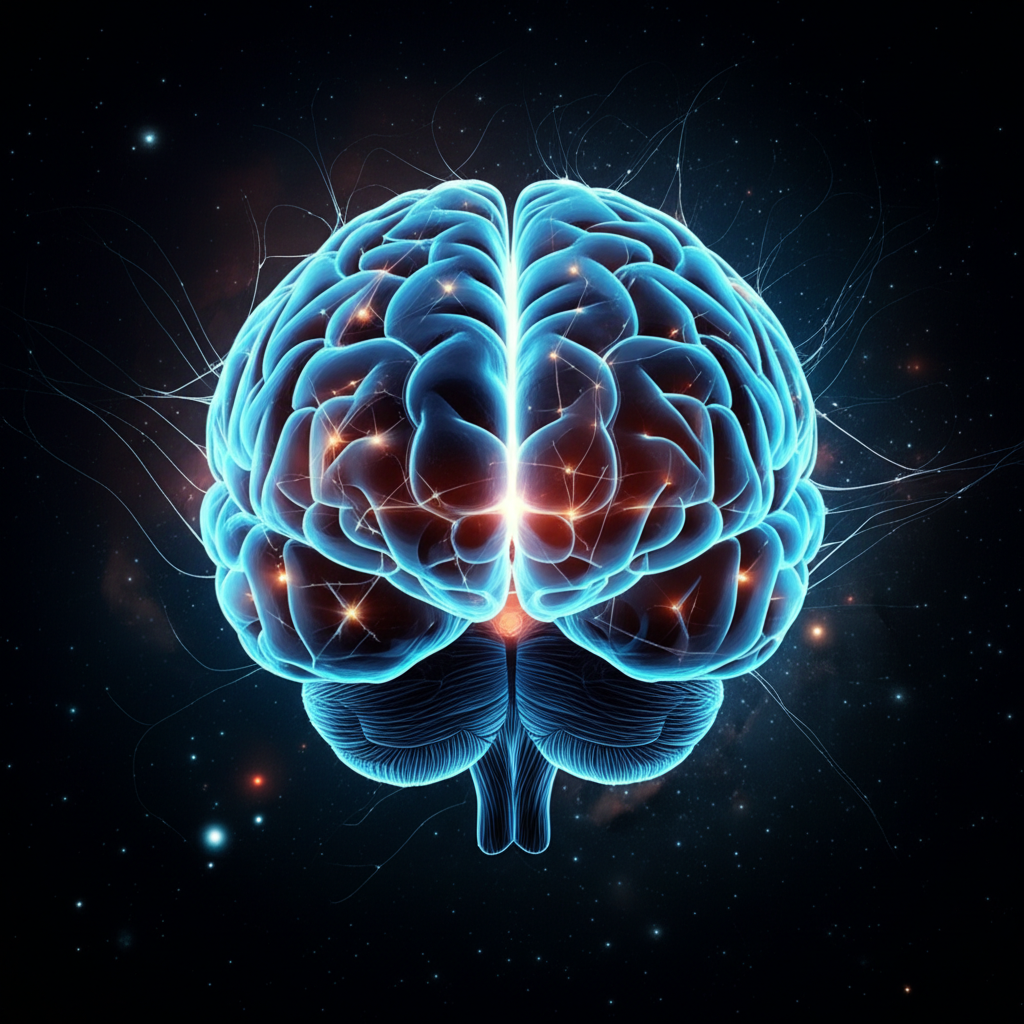
At its core, the brain is a biological supercomputer of unparalleled design. It comprises approximately 86 billion neurons, each capable of connecting to thousands of others, forming a staggering network of trillions of connections – known as synapses. To put that into perspective, there are more possible neuronal connections in your brain than there are stars in the Milky Way galaxy. This dense, interconnected web allows information to travel at speeds up to 268 miles per hour, creating electrical and chemical signals that fuel our existence.
Despite making up only about 2% of our body weight, the brain consumes a disproportionate 20% of the body’s total oxygen and calories. This immense energy expenditure reflects the constant, high-level processing it undertakes. Various specialized regions, or lobes, intricately work together: the frontal lobe handles planning and personality, the temporal lobe processes auditory information and memory, the parietal lobe integrates sensory input, and the occipital lobe is dedicated to visual processing. The coordination among these regions is fluid and dynamic, enabling the rich tapestry of human experience.
The Elusive Phenomenon of Consciousness
Perhaps the most profound secret of the brain is the generation of consciousness itself. How does a mere collection of cells and electrical impulses give rise to a subjective “self,” our awareness of existence, and the ability to ponder our own thoughts? This is the ultimate frontier of neuroscience. While we can map brain activity, identify neural correlates of consciousness, and even manipulate aspects of awareness, the leap from electrochemical signals to an internal, subjective experience remains profoundly enigmatic.
The brain constructs our reality, interpreting sensory data into the vibrant, textured world we perceive. It blends memories, emotions, and current sensations into a seamless narrative, creating our individual sense of self and our place in the world. Unraveling the neural basis of consciousness could revolutionize our understanding of everything from mental health disorders to the very nature of reality.
The Brain’s Incredible Adaptability: Neuroplasticity
One of the most awe-inspiring capabilities of the human brain is its remarkable capacity for change and adaptation – a property known as neuroplasticity. Unlike a fixed machine, the brain constantly rewires itself in response to new experiences, learning, and even injury. Every time you learn a new skill, form a new memory, or even simply encounter a new idea, the brain is physically altering its structure, strengthening existing connections, or forging entirely new ones.
This dynamic nature explains how individuals can recover from brain injuries, with other parts of the brain taking over functions previously performed by damaged areas. It’s why languages learned in childhood are often processed differently than those acquired later in life. Neuroplasticity is the biological bedrock of learning, memory, and personal growth, highlighting the brain’s ongoing capacity for development throughout our lifespan. It challenges the old notion that the adult brain is static, revealing it instead as a perpetually evolving landscape.
Unlocking The Subconscious Mind’s Influence
While conscious thought occupies a pivotal role in our daily lives, a vast amount of the brain’s work occurs beneath the surface of our awareness. The unconscious mind profoundly influences our decisions, habits, instincts, and perceptions. It silently processes an enormous amount of sensory information, filtering out distractions and selectively bringing relevant data to our conscious attention.
Consider the intricate dance of walking, driving a car, or playing a musical instrument – tasks that initially require conscious effort but eventually become automatic, guided by routines deeply embedded in our subconscious neural pathways. Our intuitive hunches, quick judgments, and even our dreams are products of this tireless, unseen processing. Dreams, in particular, are thought to be the brain’s way of consolidating memories, processing emotions, and even creatively problem-solving during sleep, often presenting insights that evade our waking minds.
The Future of Brain Science: What Lies Ahead?
The journey into understanding the human brain is far from over; in many ways, it’s just beginning. Advances in imaging technologies, genetic research, and computational modeling are rapidly accelerating our discoveries. Scientists are developing brain-computer interfaces (BCIs) that allow individuals with paralysis to control prosthetic limbs or communicate directly with computers using only their thoughts. These breakthroughs hold immense promise for restoring function and improving the quality of life for millions.
Furthermore, a deeper understanding of brain function is paving the way for revolutionary treatments for neurological and psychiatric disorders like Alzheimer’s, Parkinson’s, depression, and schizophrenia. As we continue to decode the brain’s intricate mechanisms, we are not only advancing medicine but also gaining profound insights into the very essence of human experience and consciousness. The ongoing exploration of this magnificent organ promises to reshape our understanding of ourselves and our place in the universe.
The human brain remains an astonishing frontier, a testament to the wonders of biological evolution. Its mind-blowing secrets, though slowly yielding to scientific inquiry, continue to inspire awe and fuel an insatiable curiosity about the most complex and vital organ within us. As our knowledge expands, so too does our appreciation for the extraordinary capabilities locked within the three pounds of gray matter that define our humanity.
0 Comments