
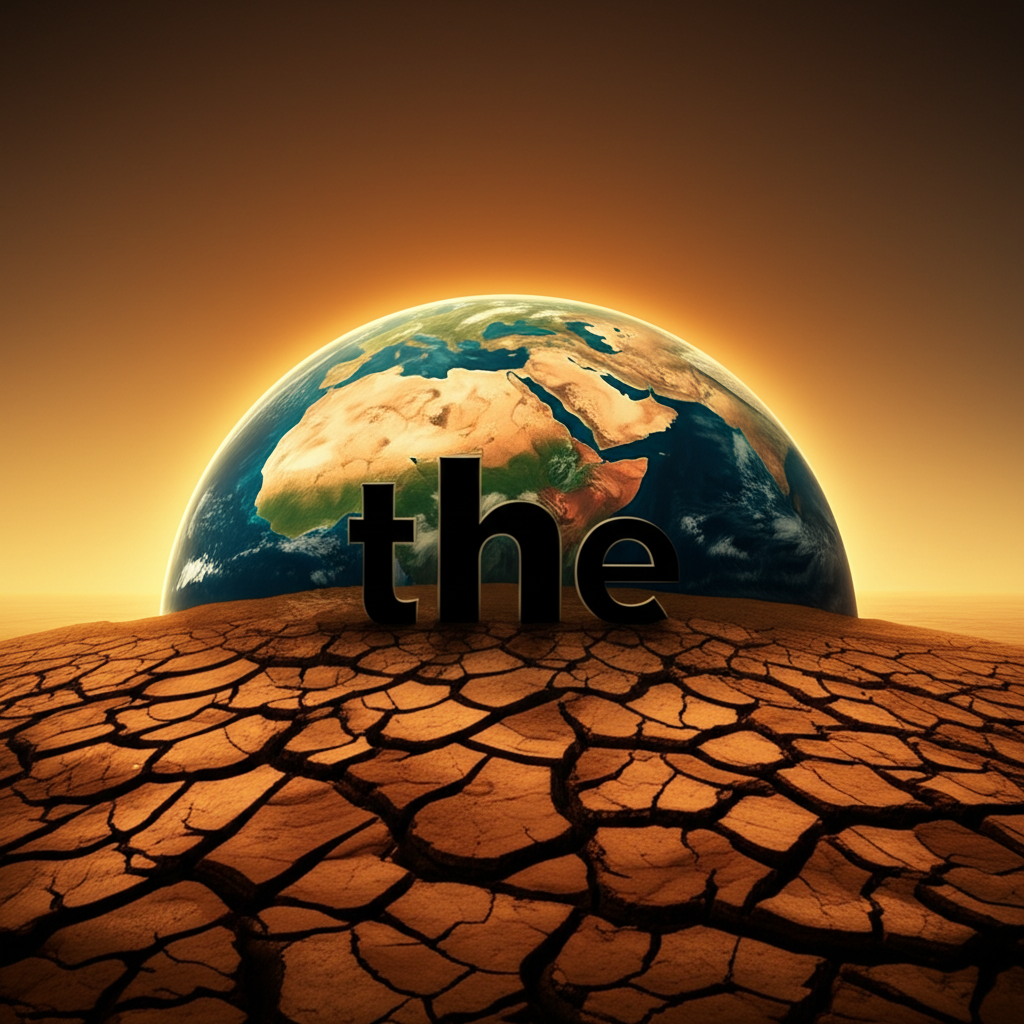
- Understanding Our Changing World: Global Warming's Vital Truth
- Understanding the Foundations of a Warming Planet
- The Unmistakable Scientific Consensus
- Decoding the Causes: Human Footprints on Climate
- The Role of Greenhouse Gases
- Witnessing the Impacts: A World Transformed
- The Path Forward: Mitigation and Adaptation
- Embracing the Future with Informed Action
Understanding Our Changing World: Global Warming’s Vital Truth
The profound implications of global warming represent one of the most pressing challenges of our era. Far from a distant threat or a matter of political debate, the warming of our planet is a meticulously documented scientific reality, demanding urgent attention and collective action. This phenomenon, driven primarily by human activities, is reshaping ecosystems, altering weather patterns, and posing significant risks to human societies worldwide. Understanding the core mechanisms and undeniable evidence behind this alarming trend is the first step toward forging a sustainable future.
Understanding the Foundations of a Warming Planet
Global warming refers to the long-term heating of Earth’s climate system observed since the pre-industrial period (between 1850 and 1900) due to human activities, primarily fossil fuel burning, which increases heat-trapping greenhouse gas levels in Earth’s atmosphere. The term is frequently used interchangeably with the term climate change, though climate change refers to both human- and naturally produced warming and the effects it has on our planet.
The Unmistakable Scientific Consensus
Decades of rigorous research by thousands of scientists across the globe have coalesced into an overwhelming consensus: Earth’s climate is warming at an unprecedented rate, and human activities are the primary driver. Organizations like the Intergovernmental Panel on Climate Change (IPCC), NASA, and the National Oceanic and Atmospheric Administration (NOAA) consistently publish comprehensive reports, drawing from vast datasets of temperature records, ice core samples, sea-level measurements, and atmospheric gas concentrations.
These reports paint a clear picture. Global average temperatures have risen significantly over the past century, with the most recent decade being the warmest on record. Glaciers and ice sheets are melting at an accelerated pace, contributing to rising sea levels. Ocean temperatures are increasing, leading to expansion and acidification, which threatens marine life. The frequency and intensity of extreme weather events—heatwaves, droughts, floods, and powerful storms—are also increasing, demonstrating the immediate and tangible impacts of climate change. This body of evidence is not theoretical; it is observable, measurable, and alarming.
Decoding the Causes: Human Footprints on Climate
While Earth’s climate has naturally fluctuated throughout history, the current warming trend cannot be explained by natural cycles alone. The scientific community has definitively linked the accelerated warming to anthropogenic, or human-caused, emissions of greenhouse gases.
The Role of Greenhouse Gases
Greenhouse gases, such as carbon dioxide (CO2), methane (CH4), and nitrous oxide (N2O), play a crucial role in regulating Earth’s temperature by trapping heat in the atmosphere. This natural process is essential for life on Earth. However, human activities have dramatically increased the concentration of these gases, intensifying the greenhouse effect.
Since the Industrial Revolution, the burning of fossil fuels (coal, oil, and natural gas) for energy, transportation, and industrial processes has released vast quantities of CO2 into the atmosphere. Deforestation, another significant contributor, reduces the number of trees that absorb CO2, further exacerbating the problem. Agriculture, particularly livestock farming and the use of fertilizers, also contributes substantial amounts of methane and nitrous oxide. These combined emissions are creating a thicker blanket of greenhouse gases, trapping more heat and causing the planet to warm.
Witnessing the Impacts: A World Transformed
The consequences of global warming are no longer abstract predictions; they are unfolding before our eyes, affecting every corner of the globe.
Extreme Weather Events: Regions are experiencing more frequent and intense heatwaves, devastating droughts, and torrential rainfall leading to severe flooding. Storms, including hurricanes and typhoons, are becoming more powerful due to warmer ocean waters.
Sea Level Rise: Thermal expansion of warming ocean water combined with melting glaciers and ice sheets is causing sea levels to rise. This threatens coastal communities, leading to increased erosion, saltwater intrusion into freshwater sources, and greater vulnerability to storm surges.
Biodiversity Loss: Many species are struggling to adapt to rapidly changing habitats. Coral reefs, vital marine ecosystems, are suffering from bleaching due to ocean warming and acidification. Plant and animal species face extinction as their environments become unsuitable or disappear entirely.
Food and Water Scarcity: Changes in temperature and precipitation patterns disrupt agricultural yields, threatening food security. Water resources are becoming scarcer in many regions, while others face increased flooding.
* Human Health Impacts: Heat-related illnesses are on the rise. Changes in vector-borne diseases (like malaria or dengue fever) are expanding their geographical range. Air quality deteriorates, and mental health challenges arise from displacement and climate-related disasters.
The Path Forward: Mitigation and Adaptation
Addressing global warming requires a two-pronged approach: mitigation and adaptation. Mitigation involves reducing greenhouse gas emissions to slow down or halt warming. This includes transitioning to renewable energy sources (solar, wind, hydropower), improving energy efficiency, adopting sustainable agricultural practices, and protecting and restoring forests. International agreements, national policies, and individual choices all play a critical role in achieving these reductions.
Adaptation focuses on adjusting to the current and future impacts of climate change. This involves developing drought-resistant crops, building stronger infrastructure to withstand extreme weather, relocating vulnerable communities, and implementing early warning systems for natural disasters. Both mitigation and adaptation strategies are crucial for building resilience and ensuring a sustainable future.
Embracing the Future with Informed Action
The vital truth of global warming is that it is a challenge born of human activity, but it is also a challenge within our collective power to address. The science is clear, the evidence is compelling, and the urgency is undeniable. Moving forward requires a commitment to scientific understanding, innovative solutions, and unwavering global cooperation. By recognizing our shared responsibility and acting decisively, we can steer our planet away from the most catastrophic outcomes and build a more resilient, equitable world for generations to come.
0 Comments