
- Human DNA: Stunning Wonders Revealed
- The Blueprint of Life
- Beyond the Double Helix: The Power of Non-Coding DNA
- A Dynamic Legacy: Evolution and Adaptation
- Unlocking the Future of Medicine
- The Ethical Frontier: Navigating DNA's Potential
- The Enduring Wonder
Human DNA: Stunning Wonders Revealed
The human body is an intricate marvel, and at its very core lies the genetic blueprint known as DNA. For decades, scientists have delved into the mysteries of this miraculous molecule, steadily peeling back its layers to reveal stunning wonders that continue to redefine our understanding of life itself. From shaping our unique traits to holding the secrets to countless diseases, DNA is far more than just a chemical compound; it is the ultimate instruction manual, a historical record, and a roadmap to the future.
The Blueprint of Life
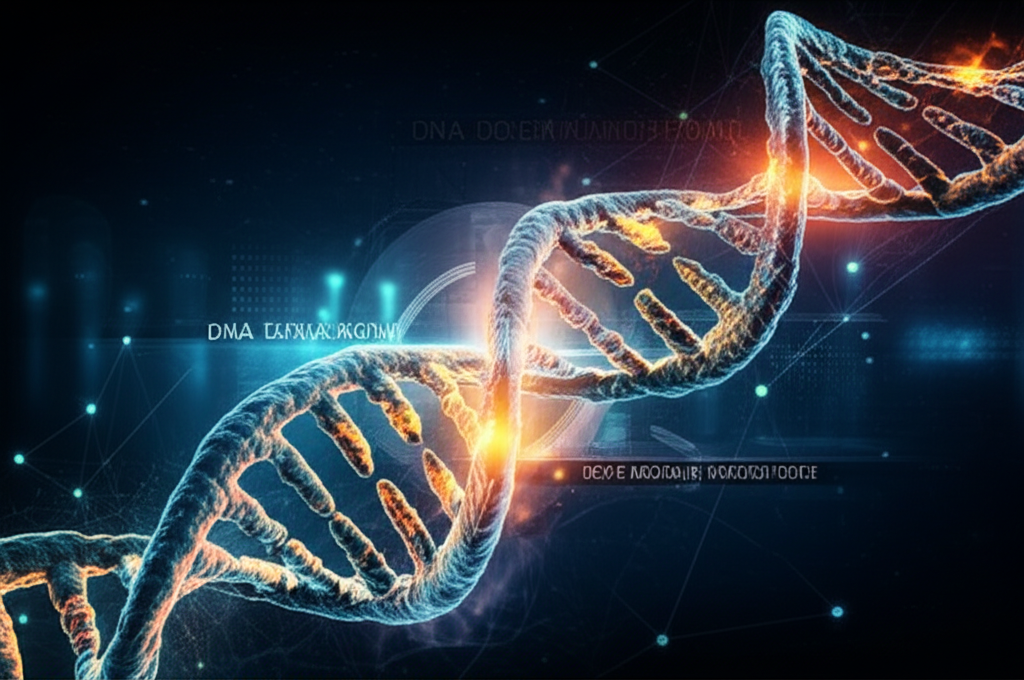
At its most fundamental level, DNA (deoxyribonucleic acid) is a long, complex molecule residing predominantly within the nucleus of almost every cell in our bodies. It’s famous for its double helix structure, resembling a twisted ladder, where each rung is made of two chemical bases: adenine (A) always pairs with thymine (T), and guanine (G) always pairs with cytosine (C). This elegant pairing system is critical for DNA’s ability to faithfully replicate itself, passing on genetic information from one generation to the next with astonishing accuracy.
Every human being has approximately 3 billion base pairs of DNA, bundled into 23 pairs of chromosomes. This entire collection is known as the human genome. While our DNA is over 99.9% identical to every other human on Earth, that tiny fraction of difference — about 0.1% — accounts for all the incredible diversity we see: differences in eye color, height, susceptibility to certain diseases, and even aspects of our personality. It’s this minute variation that makes each of us utterly unique, a truly stunning wonder in itself.
Beyond the Double Helix: The Power of Non-Coding DNA
For many years, the scientific community primarily focused on genes – the specific segments of DNA that contain instructions for making proteins. These genes make up only about 1-2% of our entire genome. The vast majority of our DNA, often dubbed “junk DNA,” was considered largely irrelevant. However, one of the most significant revelations of the 21st century has been the discovery that this “non-coding DNA” is anything but junk.
Far from being inert filler, these non-coding regions play crucial roles in regulating gene expression. They include elements like promoters, enhancers, and silencers that act as switches, turning genes on or off, or modulating their activity. This complex dance of regulation is vital for proper development, cell differentiation, and maintaining cellular health. Malfunctions in these regulatory regions can contribute to various diseases, including cancer and developmental disorders. Understanding the intricacies of non-coding DNA has opened up entire new avenues for research and therapeutic development, revealing a level of genomic complexity previously unimagined.
A Dynamic Legacy: Evolution and Adaptation
Human DNA isn’t static; it’s a living record of our evolutionary journey spanning millions of years. Mutations, which are changes in the DNA sequence, can occur spontaneously or be induced by environmental factors. While some mutations are harmful, others are neutral, and a rare few can be beneficial, providing a selective advantage. These beneficial mutations are the driving force behind evolution, allowing species to adapt to changing environments over vast stretches of time.
Our DNA also contains remnants of ancient viral infections and “jumping genes” (transposons) that have inserted themselves into our genome over evolutionary history. These elements, once viewed as oddities, are now understood to have played roles in shaping our genome’s structure and function. Studying these genomic relics provides a profound window into our past, allowing scientists to trace human migration patterns, understand our relationships with other species, and even piece together the timelines of major evolutionary events. It’s a biological autobiography, written in code, spanning epochs.
Unlocking the Future of Medicine
The increasing comprehension of human DNA has revolutionized medicine and continues to hold immense promise for the future. The advent of technologies like affordable genome sequencing allows individuals to learn about their genetic predispositions to certain diseases, tailor preventative strategies, and even guide personalized treatment plans based on their unique genetic makeup.
Gene therapy, once a futuristic dream, is now a reality for some conditions. By precisely editing or replacing faulty genes using tools like CRISPR-Cas9, scientists can correct the underlying genetic causes of diseases like cystic fibrosis, sickle cell anemia, and certain cancers. While ethical considerations surrounding germline editing (changes passed to future generations) remain a critical area of discussion, the potential for alleviating suffering and curing previously untreatable conditions is breathtaking.
The Ethical Frontier: Navigating DNA’s Potential
With great power comes great responsibility, and our increasing ability to read, understand, and manipulate human DNA raises profound ethical questions. Issues such as genetic privacy, the potential for discrimination based on genetic information, the responsible use of gene-editing technologies, and the implications of directly altering the human germline require careful consideration and robust public discourse. Maintaining equity in access to these advanced genetic insights and therapies is another critical challenge that society must address.
The Enduring Wonder
Human DNA is a testament to nature’s incredible ingenuity. What started as a simple double helix structure has unfolded into an astonishingly complex system that orchestrates life itself. From the elegant simplicity of its code to the profound implications of its regulatory networks and its dynamic evolutionary history, every new discovery reveals another layer of its stunning wonders. As research continues to advance, we are not just reading the instruction book of life; we are beginning to understand how to truly interpret, and respectfully engage with, the most fundamental essence of what it means to be human.
0 Comments