
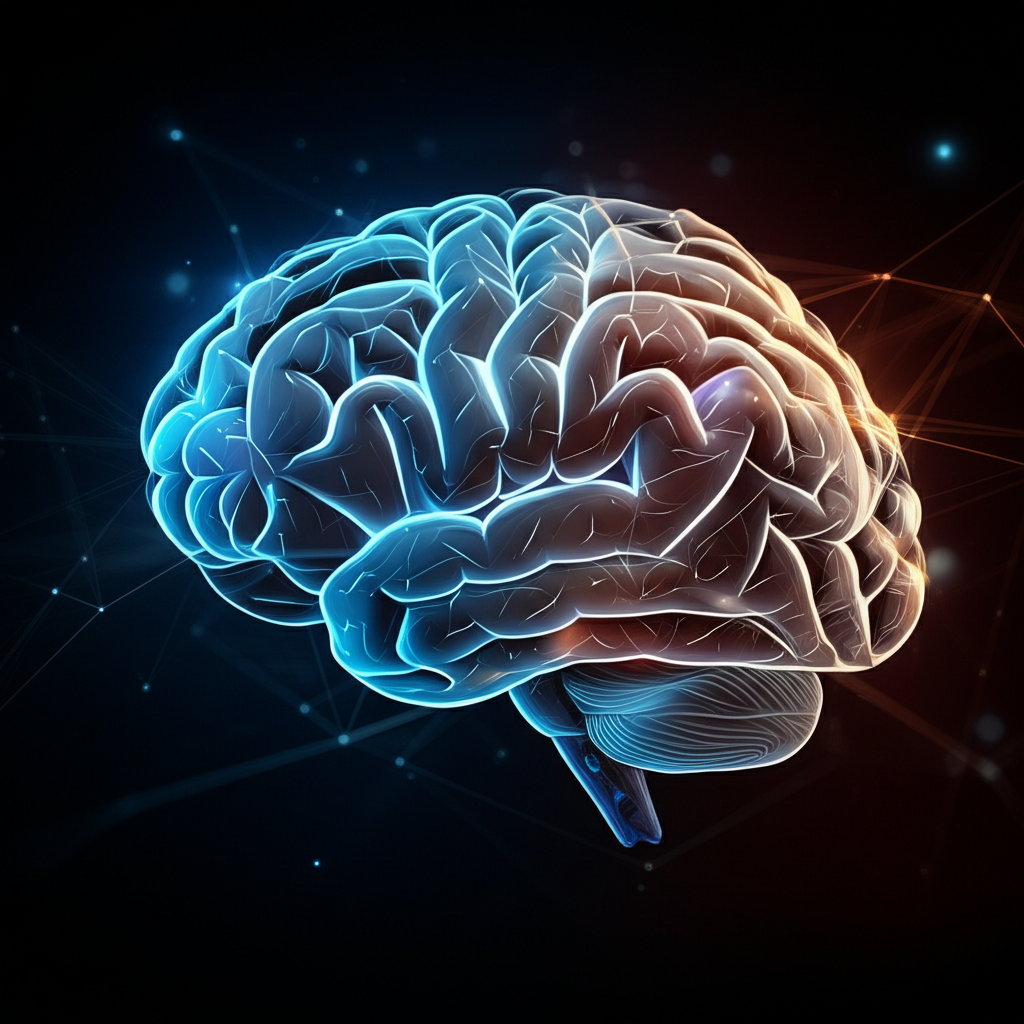
The human brain is, without a doubt, the most complex and mysterious organ in the known universe. A universe in itself, weighing roughly three pounds, this intricate biological supercomputer dictates everything we think, feel, and do. For centuries, philosophers, scientists, and thinkers have grappled with its profound secrets, chipping away at the veils of ignorance to reveal glimpses of its astonishing capabilities. While we’ve made incredible strides, the brain continues to guard many of its deepest mysteries, inviting endless fascination and relentless exploration.
The Enigma of Consciousness
Perhaps the most perplexing secret of all is consciousness. What is it that creates our subjective experience of reality, our sense of self, and our ability to ponder our own existence? While we can measure brain activity, pinpoint regions involved in specific tasks, and even manipulate perceptions, the leap from neural firings to the rich, vibrant tapestry of consciousness remains an unbridged chasm. Is it an emergent property of complex neural networks, a fundamental aspect of the universe, or something else entirely? Researchers are exploring theories ranging from integrated information theory to quantum consciousness, all attempting to explain how billions of neurons working in concert give rise to the “I” that experiences life. Understanding consciousness isn’t just a scientific pursuit; it’s a philosophical quest that could redefine our understanding of existence itself.
The Brain’s Remarkable Plasticity
One of the most profound revelations about the human brain in recent decades is its incredible plasticity. For a long time, it was believed that the adult brain was a largely fixed entity, with neurogenesis (the birth of new neurons) ceasing after childhood. However, we now know that the brain is remarkably adaptable, capable of changing its structure and function throughout life. This neuroplasticity allows us to learn new skills, form new memories, and even recover from brain injuries. When one part of the brain is damaged, other areas can often compensate, rerouting neural pathways to regain lost functions. This inherent flexibility is what enables musicians to develop highly specialized auditory processing, taxi drivers to grow specific regions related to spatial navigation, and individuals recovering from stroke to relearn how to walk and talk. The implications for education, rehabilitation, and understanding lifelong learning are immense, highlighting the brain’s dynamic and ever-evolving nature.
The Labyrinth of Memory
Memory is another cornerstone of our identity, allowing us to retain information, recall past experiences, and project into the future. But how exactly does the brain encode, store, and retrieve such vast amounts of data? It’s not a single phenomenon but a complex interplay of different types of memory: short-term, long-term, working, episodic, semantic, procedural, and more. Scientists have identified key structures like the hippocampus for forming new memories and the amygdala for emotional memories. However, the exact cellular and molecular mechanisms remain a subject of intense research. Why do some memories fade while others endure with vivid clarity for a lifetime? Why are some memories prone to distortion or entirely false? Unraveling the secrets of memory could hold the key to treating neurodegenerative diseases like Alzheimer’s and improving learning strategies for everyone.
The Power of the Subconscious
While our conscious mind processes decisions and immediate experiences, a vast amount of cognitive activity occurs beneath the surface in the subconscious. This powerful realm influences our emotions, behaviors, habits, and even our responses to daily stimuli without our explicit awareness. From the automatic act of breathing to deeply ingrained biases and emotional reactions, the subconscious mind is constantly at work. It filters information, processes threats, and integrates past experiences to subtly guide our present actions. Tapping into the power of the subconscious, through techniques like mindfulness, meditation, or therapy, can offer profound insights into our motivations and help us reshape undesirable patterns. Understanding this hidden driver of our thoughts and actions is crucial for self-improvement and developing a more holistic view of human cognition.
The Horizon of Neuroscience Research
The quest to unlock the brain’s secrets is accelerating at an unprecedented pace. Advanced imaging techniques like fMRI and PET scans allow us to observe brain activity in real-time, while optogenetics offers the ability to control specific neurons with light. Artificial intelligence and machine learning are increasingly integrated into neuroscience, helping to analyze vast datasets and model complex neural networks. Researchers are exploring brain-computer interfaces (BCIs) that could allow paralyzed individuals to control prosthetic limbs with their thoughts or restore communication for those with locked-in syndrome. Gene editing technologies hold the promise of correcting genetic predispositions to neurological disorders, and new pharmaceutical approaches are targeting specific molecular pathways involved in mood, cognition, and disease.
Despite these incredible advancements, every answer seems to raise new, even deeper questions. The human brain remains an epic frontier of scientific discovery, a universe within us that continues to beckon with tantalizing mysteries. As we continue to delve into its profound secrets, we not only gain a deeper understanding of ourselves but also edge closer to unlocking our full potential as a species. The journey is long and complex, but the insights gained are profoundly shaping our future.
0 Comments