
- The Immune System: Your Body's Personal Army
- Innate Immunity: How Your Immediate Defenses Work
- Adaptive Immunity: How the Body Learns and Remembers
- The Orchestration of Defense: A Symphony of Cells
- Beyond Pathogens: Other Protective Roles
- Boosting Your Immune System: Practical Steps
- Conclusion
How does your body defend itself against a constant barrage of threats, from invisible viruses and bacteria to environmental toxins and even abnormal cells? The answer lies within one of the most sophisticated and vital systems known to science: your immune system. Far from a single organ, this intricate network of cells, tissues, and organs works tirelessly, day in and day out, to protect you from harm and maintain your health. It’s a remarkable internal army, equipped with specialized units, communication networks, and memory banks, all dedicated to one primary mission: your survival.
The Immune System: Your Body’s Personal Army
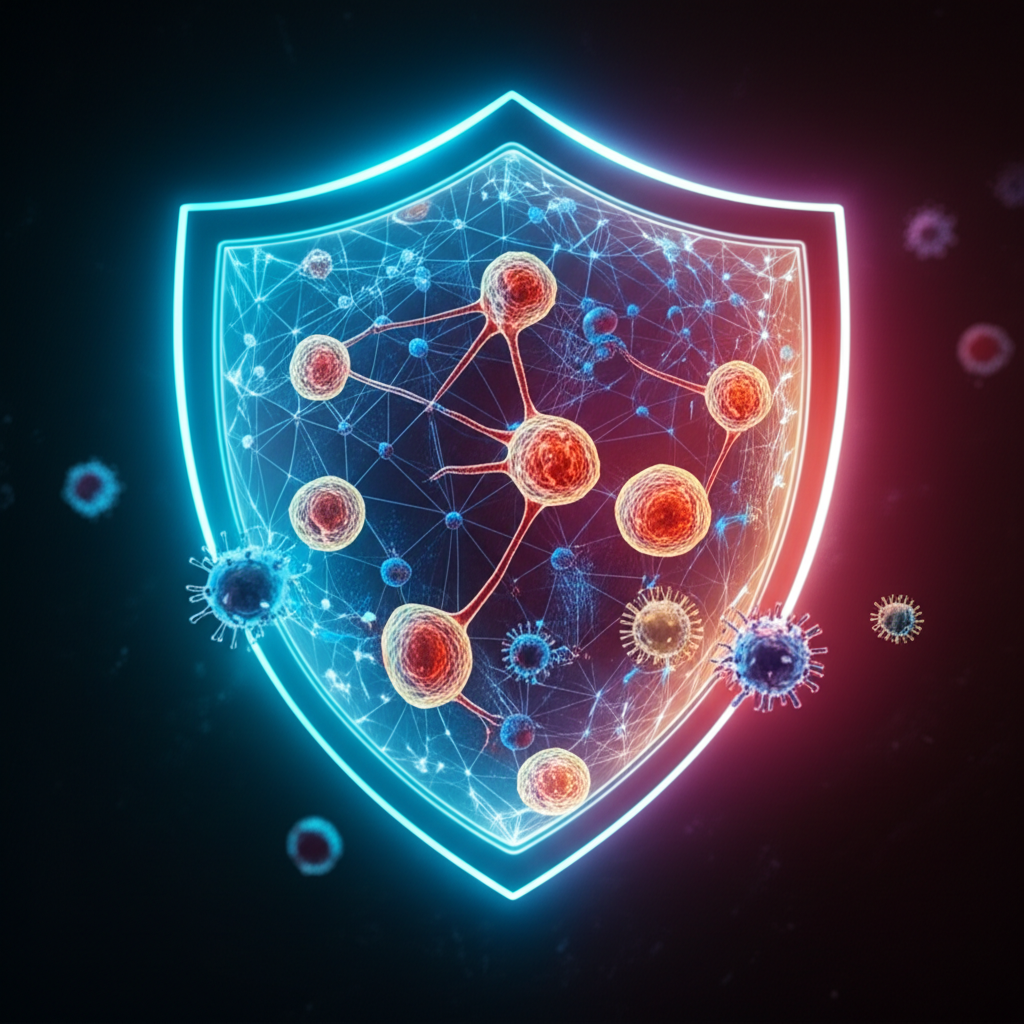
At its core, the immune system is a complex biological shield designed to distinguish between “self” and “non-self.” When it detects “non-self” elements – such as pathogens like viruses, bacteria, fungi, or parasites – it launches a coordinated attack to neutralize or eliminate them. This protective umbrella is broadly divided into two interconnected branches: the innate immune system and the adaptive immune system. Each plays distinct yet complementary roles in safeguarding your well-being.
Innate Immunity: How Your Immediate Defenses Work
Think of the innate immune system as your body’s first line of defense – a rapid, non-specific response that springs into action almost immediately upon detecting a threat. It’s like the general alert system and frontline soldiers who don’t ask questions, they just act.
This branch includes:
Physical Barriers: Your skin, the largest organ, acts as an impenetrable barrier. Mucous membranes lining your respiratory, digestive, and urogenital tracts trap invaders. Cilia, tiny hair-like structures in your airways, sweep pathogens out.
Chemical Barriers: Stomach acid destroys most ingested microbes. Tears and saliva contain enzymes that break down bacterial cell walls. The natural flora (beneficial bacteria) on your skin and in your gut also compete with and inhibit harmful pathogens.
Cellular Defenses: If invaders breach the physical and chemical barriers, specialized cells step in.
Phagocytes (e.g., Macrophages, Neutrophils): These “eating cells” engulf and digest foreign particles, cellular debris, and microbes. Neutrophils are typically the first responders to an infection site, while macrophages are larger, long-lived cells that also present antigens to the adaptive immune system.
Natural Killer (NK) Cells: These cells specialize in recognizing and destroying abnormal cells, particularly virus-infected cells and some cancer cells, without prior activation.
Inflammatory Response: When tissues are damaged or infected, the innate immune system triggers inflammation – characterized by redness, swelling, heat, and pain. This response brings more immune cells and healing factors to the site, isolates the injury, and prevents the spread of infection. Fever, another common innate response, can inhibit pathogen growth and speed up immune cell activity.
The innate immune system provides immediate, broad-spectrum protection, acting as the initial gatekeepers against a vast array of potential threats.
Adaptive Immunity: How the Body Learns and Remembers
While the innate system offers immediate protection, the adaptive (or acquired) immune system is the specialized intelligence unit, capable of launching highly specific attacks and remembering past encounters. This memory is what makes vaccinations so effective.
The key players in adaptive immunity are a type of white blood cell called lymphocytes:
B Lymphocytes (B cells): Primarily responsible for humoral immunity. When a B cell encounters its specific antigen (a unique molecular marker on a pathogen), it can differentiate into plasma cells, which produce vast quantities of antibodies. Antibodies are Y-shaped proteins that tag pathogens for destruction, neutralize toxins, or prevent viruses from entering cells. Some B cells become memory B cells, allowing for a faster, stronger response upon re-exposure.
T Lymphocytes (T cells): Primarily responsible for cell-mediated immunity.
Helper T Cells: These act as the command and control center, recognizing antigens presented by other immune cells. They then activate B cells and other T cells, coordinating the overall immune response.
Cytotoxic T Cells (Killer T cells): These cells directly seek out and destroy infected body cells and cancer cells. They recognize specific antigens on the surface of these abnormal cells and induce their programmed death.
Regulatory T Cells: These cells help modulate the immune response, preventing it from becoming overactive and attacking the body’s own healthy tissues (which happens in autoimmune diseases).
Memory T Cells: Like memory B cells, these cells persist after an infection, ensuring a quicker and more robust response if the same pathogen is encountered again.
The adaptive immune response takes longer to activate initially (days instead of hours), but its specificity and memory provide long-lasting and effective protection against particular threats.
The Orchestration of Defense: A Symphony of Cells
The true marvel of your immune system lies in how its innate and adaptive branches work seamlessly together. When an innate immune cell, like a macrophage, engulfs a pathogen, it often “presents” pieces of that pathogen (antigens) on its surface. This antigen presentation is crucial; it’s how the innate system alerts and activates helper T cells, bridging the gap to the adaptive response. This collaboration ensures that the body mounts the most effective, multi-pronged attack possible. Cytokines – small protein messengers – facilitate communication between all these different immune cells, orchestrating the entire defensive symphony.
Beyond Pathogens: Other Protective Roles
Your immune system’s amazing protection extends beyond just fighting infections. It also plays a critical role in:
Cancer Surveillance: Immune cells, particularly NK cells and cytotoxic T cells, are constantly patrolling your body, identifying and eliminating cells that have become cancerous or precancerous before they can develop into major tumors. This process, known as immunosurveillance, is a vital defense against the development and progression of cancer.
Tissue Repair and Healing: While primarily defensive, immune cells also contribute to the cleanup of damaged tissue and the initiation of repair processes after injury or infection.
Boosting Your Immune System: Practical Steps
While you can’t “supercharge” your immune system, you can absolutely support its incredible work through healthy lifestyle choices. These actions don’t create new immune capabilities but rather ensure that your existing defenses are operating at their optimal potential:
Balanced Nutrition: A diet rich in fruits, vegetables, lean proteins, and whole grains provides essential vitamins (like C, D, E), minerals (zinc, selenium), and antioxidants that are crucial for immune cell function.
Adequate Sleep: During sleep, your body produces and releases cytokines, which are essential for immune function. Chronic sleep deprivation can suppress the immune system.
Regular Exercise: Moderate exercise can boost the circulation of immune cells, making them more efficient at patrolling the body.
Stress Management: Chronic stress can release hormones that suppress immune function. Practices like meditation, yoga, or spending time in nature can help.
Hydration: Water is vital for all bodily functions, including the transport of nutrients and removal of waste products that support immune health.
Vaccinations: Immunizations are a direct way to scientifically leverage your adaptive immune system’s memory, safely exposing it to antigens so it can build specific defenses without experiencing the full disease.
Conclusion
Your immune system is an extraordinary feat of biological engineering, an astonishing marvel of protection that works tirelessly to keep you safe and healthy. From the immediate, broad strokes of innate immunity to the highly specific, memory-driven precision of adaptive immunity, this intricate network stands guard against a world full of threats. Understanding how it functions not only highlights its incredible complexity but also underscores the importance of supporting it through mindful lifestyle choices. Appreciating this internal guardian is a crucial step in taking care of the most valuable asset you possess: your health.
0 Comments