
- Understanding the Imperative for Drastic Reduction
- Individual Actions: Empowering Change in How We Live
- Community & Local Initiatives: Building a Greener Tomorrow
- Industrial & Governmental Roles: Understanding How Policy Drives Change
- The Path Forward: Collective Responsibility
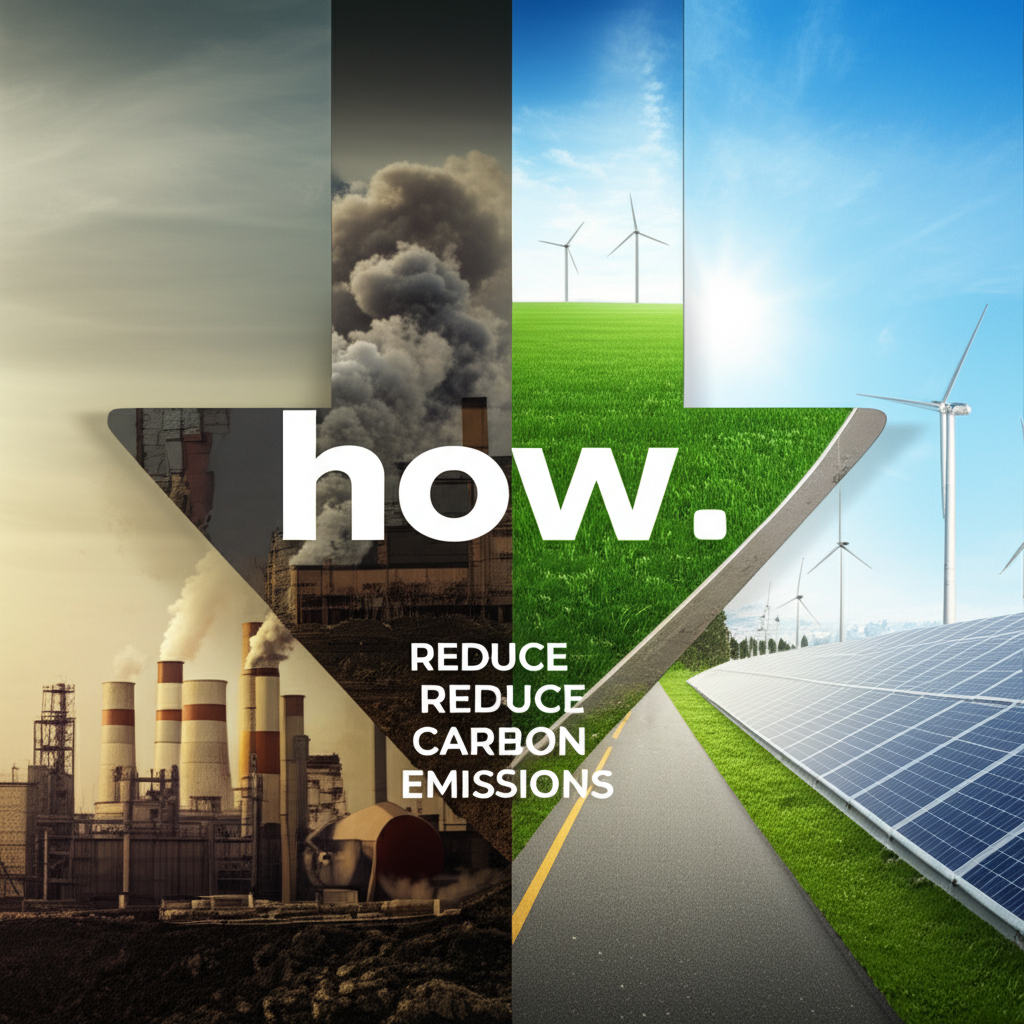
How we respond to the escalating climate crisis is the defining challenge of our generation. The science is unequivocal: carbon emissions, predominantly from human activities, are driving global warming, leading to more extreme weather events, rising sea levels, and devastating impacts on ecosystems and communities worldwide. While the task may seem daunting, a drastic reduction in carbon emissions is not only necessary but achievable through a combination of individual commitment, community collaboration, and systemic changes at industrial and governmental levels. This article explores a comprehensive approach to tackling this critical issue, offering actionable strategies for a sustainable future.
Understanding the Imperative for Drastic Reduction
The urgency for significant carbon emission cuts stems from the concept of a “carbon budget.” To limit global warming to 1.5°C above pre-industrial levels – a target many scientists believe is crucial to avoid the most catastrophic impacts – the world has a finite amount of greenhouse gases it can still emit. Every tonne of carbon released pushes us closer to exceeding this budget, highlighting the need for rapid and deep reductions across all sectors. Merely slowing the growth of emissions is no longer enough; we must actively bring them down.
Individual Actions: Empowering Change in How We Live
While large-scale changes are paramount, the cumulative effect of individual choices is incredibly powerful. Each person has the ability to influence their own carbon footprint and inspire those around them.
Transforming Home Energy Consumption: The energy we use to power our homes is a significant source of emissions.
Switch to Renewable Energy: If available, choose an electricity provider that sources power from wind, solar, or hydro. Consider installing solar panels on your roof.
Improve Energy Efficiency: Insulate your home, seal drafts, and upgrade to energy-efficient appliances (look for ENERGY STAR ratings). Unplug electronics when not in use and switch to LED lighting.
Optimize Heating and Cooling: Set thermostats wisely, use smart thermostats, and maintain HVAC systems. Considering a heat pump can drastically reduce reliance on fossil fuels for heating.
Rethinking Transportation: How to Travel Greener
Embrace Public Transit, Cycling, and Walking: For shorter commutes and trips, these options are zero-emission and often healthier.
Choose Electric Vehicles (EVs): If buying a car, an EV eliminates tailpipe emissions. As grids become greener, the lifecycle emissions of EVs significantly outperform gasoline cars.
Carpool and Ride-Share: Sharing rides reduces the number of vehicles on the road.
Reduce Air Travel: Flying is highly carbon-intensive. Opt for video conferencing, train travel, or fewer, longer trips when possible.
Dietary Shifts for a Lighter Footprint:
Reduce Meat Consumption: Livestock farming, especially beef and dairy, is a major contributor to greenhouse gas emissions. Adopting more plant-based meals, or even just going meatless on certain days, can have a substantial impact.
Minimize Food Waste: Globally, a significant portion of food produced is wasted, leading to unnecessary emissions from production to decomposition. Plan meals, store food properly, and compost scraps.
Buy Local and Seasonal: Reduce the emissions associated with long-distance transportation and energy-intensive hothouse farming.
Conscious Consumption and Waste Reduction:
Reduce, Reuse, Recycle: This classic mantra remains vital. Buy less, repair what you have, and choose durable goods. When you must buy, prioritize products made from recycled materials or designed for circularity.
Support Sustainable Brands: Research companies committed to ethical labor, minimal waste, and transparent supply chains.
Avoid Fast Fashion: The rapid production and disposal of clothing is incredibly resource and carbon-intensive.
Community & Local Initiatives: Building a Greener Tomorrow
Beyond individual actions, collective efforts within communities amplify impact.
Advocate for Green Infrastructure: Support local initiatives for expanded public transport networks, protected bike lanes, and pedestrian-friendly areas.
Support Local Renewable Projects: Participate in community solar programs or advocate for municipal investments in renewable energy infrastructure.
Participate in Conservation: Engage in local tree-planting efforts, community gardens, or clean-up drives that restore natural carbon sinks.
Form Green Networks: Join or create local groups focused on sustainability, sharing knowledge and organizing collective action.
Industrial & Governmental Roles: Understanding How Policy Drives Change
Systemic change is crucial for achieving the scale of emissions reduction required. Governments and industries hold the levers for transformation.
Investing in Renewable Energy Infrastructure: Governments must incentivize and directly invest in large-scale renewable energy projects (solar farms, wind parks) and the necessary grid upgrades to accommodate them.
Carbon Pricing Mechanisms: Implementing carbon taxes or cap-and-trade systems provides a financial incentive for industries to reduce their emissions, making polluting more expensive than investing in cleaner alternatives.
Sustainable Agriculture and Land Use Policies: Promoting regenerative agriculture, reforestation, and preventing deforestation can turn land into a carbon sink rather than a source of emissions. Policies supporting sustainable forestry and peatland restoration are vital.
Green Building Codes and Standards: Mandating higher energy efficiency standards for new constructions and promoting retrofits of existing buildings can significantly cut energy demand.
Research and Development: Funding innovation in areas like carbon capture and storage (CCS), green hydrogen production, advanced battery technology, and sustainable materials is essential for future emission cuts.
* International Cooperation: Addressing climate change requires global collaboration, including agreements on emission targets, technology transfer to developing nations, and climate finance.
The Path Forward: Collective Responsibility
Drastically reducing carbon emissions is a multifaceted challenge that demands simultaneous action on all fronts. There isn’t a single solution, but rather a mosaic of interconnected strategies. From the personal choices we make daily to the policies our governments enact and the innovations industries pursue, every effort contributes to the monumental task of decarbonization. By understanding our roles, advocating for change, and embracing sustainable practices, we can collectively steer ourselves towards a future with clean air, stable climates, and thriving ecosystems. The time for drastic action is now—and the benefits will ripple across generations.
0 Comments