
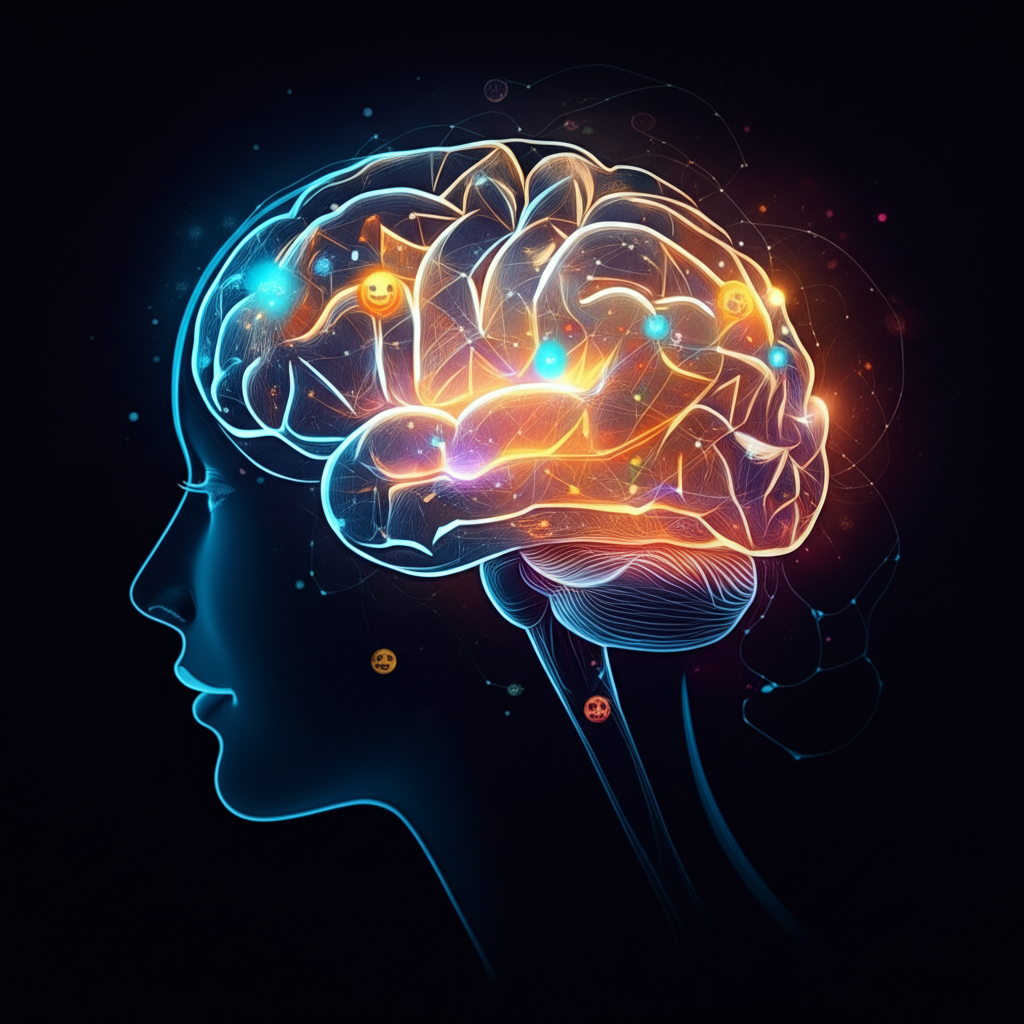
How does the intricate tapestry of our experiences, knowledge, and skills come together to form the very essence of who we are? The answer lies within the astounding, often mysterious, process of memory. Far from a simple recording device, memory is a dynamic and complex system that constantly sculpts our perception of the past, influences our present actions, and shapes our future expectations. Unveiling its amazing secrets reveals not just a biological mechanism, but a profound window into human cognition itself.
At its core, memory is the process by which information is encoded, stored, and retrieved. Each of these stages is crucial and interconnected, with potential points of failure or enhancement along the way. Encoding is how we get information into our brains, converting sensory input into a form that can be stored. Storage refers to holding onto that information over time, ranging from milliseconds to a lifetime. Finally, retrieval is the process of getting information back out of storage when we need it. This three-stage model provides a foundational understanding of the journey information takes to become a lasting memory.
Understanding the Core Stages: How Memory is Formed
The journey of any memory begins with encoding. Imagine seeing a new face or hearing a new fact. Your brain doesn’t just “see” or “hear”; it interprets this sensory data and transforms it into a neural code. This encoding can be shallow, focusing on superficial features like the sound of a word, or deep, involving semantic meaning and personal relevance. The deeper the encoding, the more connections are made within existing knowledge networks, and the stronger and more retrievable the memory is likely to be.
Once encoded, the information moves into storage. This isn’t a single “memory box” but a vast, distributed network across different brain regions. Memory storage isn’t static; it’s a constantly evolving process where memories can be consolidated (strengthened and made more permanent), reconsolidated (made plastic again upon retrieval and potentially updated), or even lost.
Finally, there’s retrieval, the act of accessing stored information. This is often the stage we most associate with memory – the recall of a name or a past event. Retrieval is not always perfect; it can be influenced by cues, context, emotional state, and even the act of retrieval itself can alter the memory. The ease with which we retrieve a memory often reflects the strength of its encoding and consolidation.
The Different Faces of Memory
Memory isn’t a monolith; it’s categorized into various types based on duration and content. We generally speak of three main temporal stages:
1. Sensory Memory: This is the briefest form, holding sensory information (what you see, hear, feel) for a fraction of a second to a few seconds. It allows us to perceive the world smoothly, like seeing a continuous motion rather than a series of still images.
2. Short-Term Memory (STM): Also known as working memory, this holds a small amount of information (typically around 7 items) for a short period (about 20-30 seconds) unless actively rehearsed. It’s our mental workspace, allowing us to process information for immediate tasks, like remembering a phone number just long enough to dial it.
3. Long-Term Memory (LTM): This is the vast repository of all our knowledge, experiences, and skills, with a virtually limitless capacity and duration that can span a lifetime. LTM is further divided into two main categories:
Explicit (Declarative) Memory: Conscious recollections of facts and events.
Semantic Memory: Our general knowledge about the world (e.g., the capital of France, the meaning of “democracy”).
Episodic Memory: Memories of specific personal experiences and events (e.g., your last birthday celebration, what you had for breakfast).
Implicit (Non-Declarative) Memory: Unconscious memories that influence our behavior without conscious awareness.
Procedural Memory: Our memories for skills and habits (e.g., riding a bike, playing a musical instrument).
Priming: Exposure to one stimulus influences response to a subsequent stimulus.
Classical Conditioning: Learning through association.
The Brain’s Architects: How Different Regions Collaborate for Memory
The physical basis of memory involves a complex interplay of various brain regions and neural networks. No single “memory center” exists.
Hippocampus: Crucial for the formation of new explicit memories (both semantic and episodic) and plays a vital role in spatial memory. Damage to the hippocampus can lead to profound anterograde amnesia, an inability to form new memories.
Amygdala: Heavily involved in emotional memories, especially those linked to fear. It adds an emotional “tag” to events, often strengthening their recall.
Prefrontal Cortex: Essential for working memory, goal-directed behavior, and retrieving memories. It helps us organize and prioritize information.
Cerebellum: Predominantly responsible for procedural memories, particularly those related to motor skills and classical conditioning.
Temporal Lobes: Store semantic and episodic memories.
At a microscopic level, memory relies on changes in the strength of connections between neurons, called synapses. This phenomenon, known as synaptic plasticity (specifically long-term potentiation and long-term depression), is the cellular mechanism underpinning learning and memory. When we learn something new, specific neural pathways are strengthened or weakened, making it easier or harder for signals to pass between those neurons in the future.
How to Enhance and Protect Your Precious Memories
Given its complexity, it’s no surprise that memory isn’t always perfect. We forget, misremember, and sometimes struggle to retrieve information. However, understanding its mechanisms empowers us to take steps to enhance its function:
Active Engagement: Pay attention and actively process information during encoding. Relate new information to what you already know.
Spaced Repetition: Reviewing information at increasing intervals helps consolidate memories into long-term storage.
Sleep: Crucial for memory consolidation. During sleep, the brain actively replays and strengthens recent learning experiences.
Exercise: Promotes neurogenesis (the growth of new brain cells), particularly in the hippocampus, and improves blood flow to the brain, both beneficial for memory.
Healthy Diet: A diet rich in antioxidants, omega-3 fatty acids, and vitamins supports overall brain health.
Stress Management: Chronic stress can impair memory by negatively impacting the hippocampus.
* Mnemonics: Memory aids like acronyms, visualization, and the method of loci can significantly improve recall.
Memory is not merely a faculty of the brain; it is the foundation of our identity, our learning, and our capacity to navigate the world. From the fleeting sensory traces that inform our immediate actions to the deeply etched personal narratives that define our life’s journey, the processes of encoding, storage, and retrieval are continuously at work. Delving into how memory works reveals an astounding biological marvel, a system of such intricate design that it continues to inspire awe and intensive scientific exploration, constantly unveiling new facets of the human mind.
0 Comments