
- The Unseen Web: What Biodiversity Truly Means
- The Many Ways Human Activity Causes Biodiversity Loss
- The Dire Consequences of Losing Earth's Rich Tapestry
- A Path Forward: Mitigating Humanity's Footprint
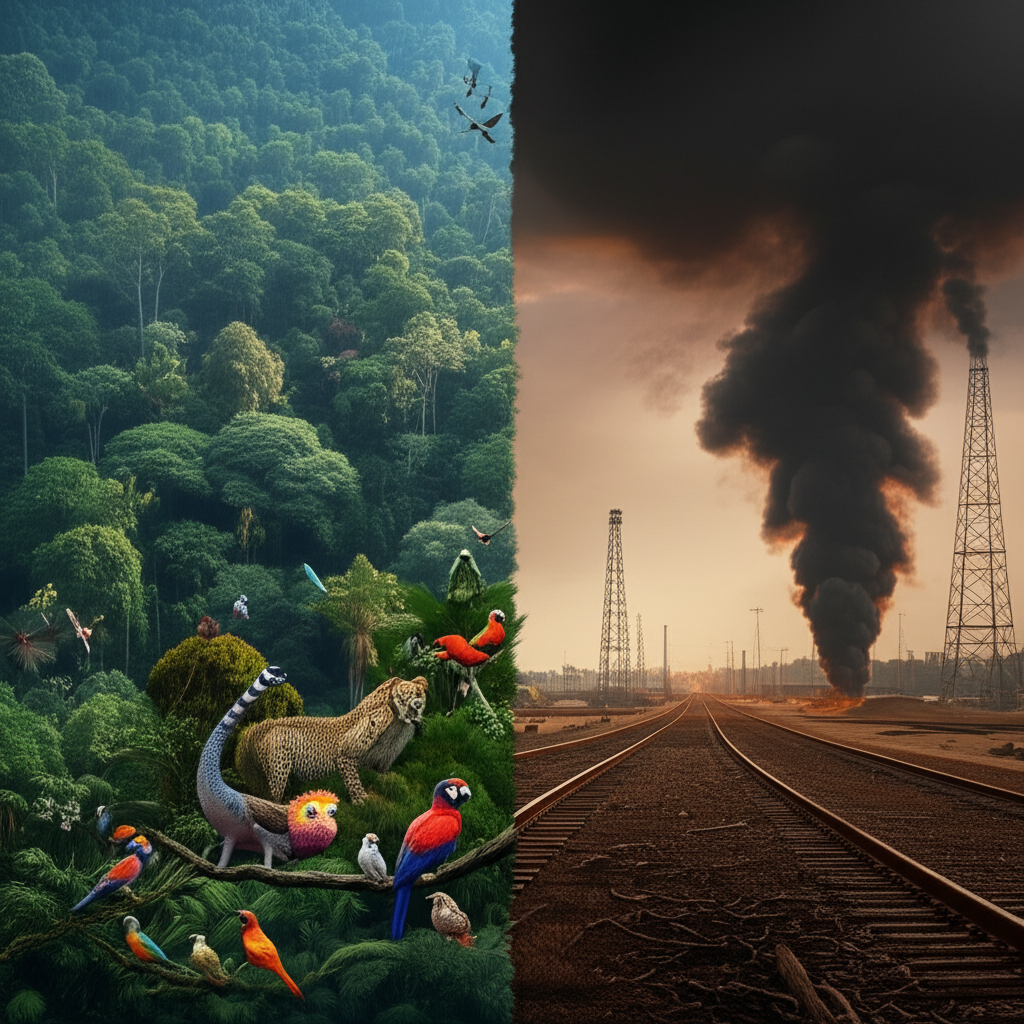
How humanity’s relentless activities are pushing Earth’s incredible biodiversity to the brink of collapse is a question that demands urgent examination and action. From the smallest microorganisms to the largest whales, life on Earth forms an intricate, interconnected web, vital for the planet’s health and our own survival. Yet, this delicate balance is under unprecedented threat, largely due to the scale and intensity of human impact. Understanding the mechanisms of this devastation is the first step toward forging a path to recovery and coexistence.
The Unseen Web: What Biodiversity Truly Means
Biodiversity encompasses the vast variety of life on Earth at all its levels: genetic diversity within species, species diversity across different ecosystems, and ecosystem diversity that forms the mosaic of habitats across the globe. It’s not just about charismatic megafauna or rare plants; it includes the bacteria in our soil, the fungi that decompose organic matter, and the insects that pollinate our crops. This biological richness is the planet’s life support system, performing essential services that often go unnoticed until they begin to fail. These services include air and water purification, soil fertilization, pest control, climate regulation, and the provision of food, medicine, and raw materials. When biodiversity thrives, ecosystems are resilient, capable of adapting to change and recovering from disturbances.
The Many Ways Human Activity Causes Biodiversity Loss
The relentless march of human development, consumption, and population growth has created a multifaceted assault on the natural world. Each human activity, when scaled globally, contributes to a cumulative impact that fragments, diminishes, and often extinguishes life.
Habitat Destruction and Fragmentation: Perhaps the most direct and devastating impact is the wholesale destruction and fragmentation of natural habitats. Forests are cleared for agriculture, logging, and urban expansion; wetlands are drained for development; grasslands are converted to cropland; and marine environments are damaged by coastal development and destructive fishing practices. This not only removes the homes of countless species but also isolates remaining populations, making them more vulnerable to disease, inbreeding, and the inability to find food or mates. The Amazon rainforest, for example, is being lost at an alarming rate, taking with it unique species and vital carbon sinks.
Pollution: A Silent Killer: Pollution in all its forms poisons the environment and eradicates biodiversity. Chemical run-off from agriculture, industrial waste, and untreated sewage contaminates freshwater and marine ecosystems, leading to eutrophication, toxic accumulation in the food chain, and widespread mortality. Plastic pollution chokes marine life and accumulates in ecosystems globally. Air pollution can directly harm plants and animals, while light and noise pollution disrupt migratory patterns, breeding cycles, and predator-prey dynamics, particularly in urbanizing areas. The silent spread of microplastics is now found from the deepest oceans to the highest mountains, impacting even the smallest organisms.
Climate Change: A Global Disruptor: Human-induced climate change, primarily driven by the burning of fossil fuels, is a profound threat. Rising global temperatures force species to migrate to cooler areas, if suitable habitats exist, or face extinction. Many species, particularly those in polar regions, high altitudes, or coral reefs, have nowhere to go. Ocean acidification, a direct consequence of increased CO2 absorption by the oceans, threatens marine calcifiers like corals and shellfish, forming the base of many marine food webs. Extreme weather events, such as prolonged droughts, intense heatwaves, and devastating floods, further destabilize ecosystems and push vulnerable species past their tipping points.
Overexploitation of Resources: The unsustainable harvesting of plants and animals for food, medicine, timber, and the pet trade is emptying ecosystems. Overfishing has led to the collapse of numerous fish stocks globally, disrupting marine food chains. Illegal wildlife trade, driven by high demand for exotic pets, traditional medicine, and luxury items, pushes iconic species like rhinos, elephants, and pangolins toward extinction. Even legal, but poorly regulated, logging and hunting can decimate populations and degrade ecosystem health.
Invasive Alien Species: As human travel and trade increase, so does the accidental or intentional introduction of non-native species into new environments. Without natural predators or diseases to control them, these invasive species can outcompete native organisms for resources, prey on them, or introduce new pathogens, leading to rapid declines in indigenous biodiversity. A classic example is the brown tree snake in Guam, which decimated native bird populations.
The Dire Consequences of Losing Earth’s Rich Tapestry
The erosion of biodiversity isn’t merely an aesthetic loss; it’s a direct threat to human well-being. The collapse of pollinator populations jeopardizes food security. The degradation of wetlands and forests reduces natural flood protection and water purification. The loss of genetic diversity weakens our ability to develop new medicines and resilient crop varieties. Ultimately, the interconnectedness of life means that as ecosystems unravel, the stability of the planet’s life-support systems, upon which we utterly depend, is severely compromised. Witnessing the sixth mass extinction event in Earth’s history, driven solely by one species – humanity – presents an unparalleled moral and practical challenge.
A Path Forward: Mitigating Humanity’s Footprint
While the challenges are immense, the capacity for change also lies within humanity. Mitigating biodiversity loss requires a multifaceted approach:
Conservation and Restoration: Establishing and effectively managing protected areas, restoring degraded habitats, and implementing species recovery programs.
Sustainable Practices: Shifting to sustainable agriculture, responsible forestry, and ecological fishing practices. Reducing consumption and waste plays a critical role in lessening the demand for resources.
Policy and Governance: Stronger environmental regulations, international cooperation, and enforcement against illegal wildlife trade and deforestation.
Climate Action: Rapidly transitioning to renewable energy, improving energy efficiency, and reducing greenhouse gas emissions to stabilize the climate.
* Education and Awareness: Fostering a deeper understanding and appreciation for biodiversity and the critical role it plays in our lives.
The future of Earth’s biodiversity, and indeed our own, hinges on our collective ability to recognize the profound devastation we are inflicting and to commit to a more sustainable and harmonious coexistence with the natural world. The time to act decisively and comprehensively is now, before the intricate tapestry of life unravels beyond repair.
0 Comments