- The Symphony of Cellular Life: Why Communication is Paramount
- The Diverse Language of Cells: How They Speak
- Direct Contact: Passing Notes Between Neighbors
- Local Communication: Whispers in the Neighborhood
- Long-Distance Communication: Universal Broadcasts
- How Cells Process Information: Signal Transduction
- The Critical Role in Health and Disease
- The Future of Cellular Understanding
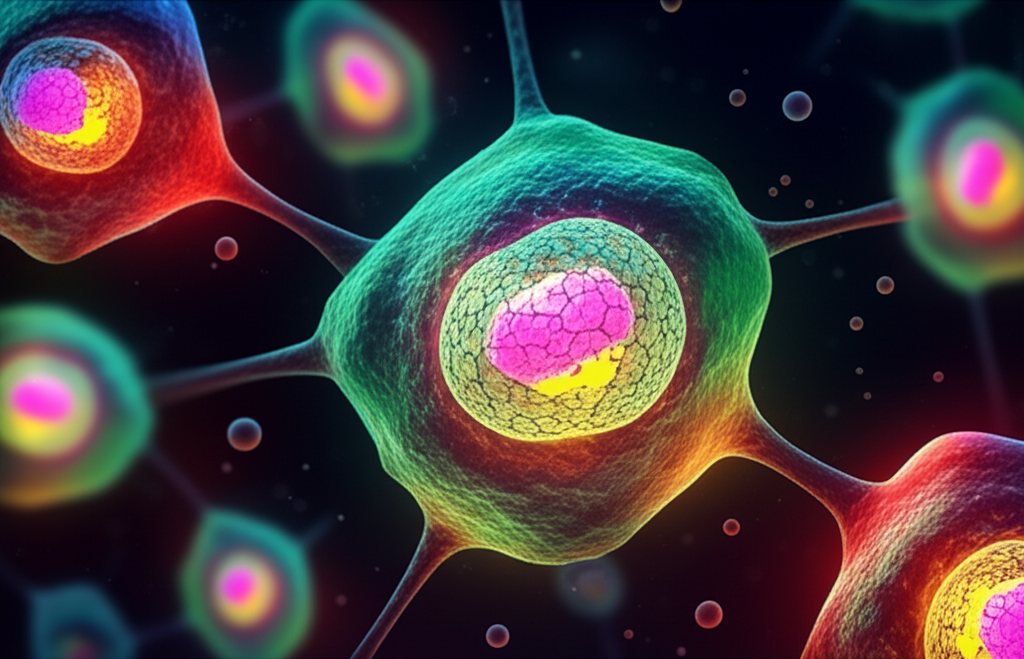
How do the trillions of cells within our bodies coordinate their actions to build tissues, fight infections, and even form thoughts? The answer lies in a sophisticated and intricate network of communication that constantly hums beneath the surface of our awareness. Far from being isolated units, cells are master communicators, constantly sending, receiving, and interpreting signals that dictate their every move, from cellular birth to programmed death. Understanding these stunning secrets of cellular chatter reveals not just the fundamental processes of life, but also opens doors to new medical breakthroughs and insights into human health and disease.
The Symphony of Cellular Life: Why Communication is Paramount
Imagine an orchestra without a conductor, or a bustling city without traffic lights. Chaos would ensue. Similarly, life as we know it would be impossible without precise cellular communication. In multicellular organisms, cells must cooperate to form specialized tissues and organs, respond to environmental changes, and maintain homeostasis – the stable internal environment vital for survival. From the earliest moments of embryonic development, where cells differentiate and migrate based on specific cues, to the ongoing battle against pathogens waged by immune cells, every physiological process relies on an unbroken chain of cellular dialogue.
The Diverse Language of Cells: How They Speak
Cells employ a remarkable array of methods to communicate, utilizing various “languages” depending on the distance and type of message they need to convey.
Direct Contact: Passing Notes Between Neighbors
Sometimes, cells need to communicate intimately, sharing information directly with adjacent partners. This juxtacrine signaling occurs through several mechanisms:
Gap Junctions: In animal cells, these specialized protein channels create pores between neighboring cells, allowing small molecules, ions, and electrical signals to pass directly from one cytoplasm to another. This is crucial for synchronized contractions in the heart muscle or rapid responses in nerve cells.
Plasmodesmata: Plant cells utilize similar structures called plasmodesmata, which are microscopic channels through the cell walls, linking the cytoplasm of adjacent cells.
Cell-Cell Recognition: Cells can also “touch” and recognize each other via molecules embedded in their plasma membranes. Proteins or glycoproteins on one cell’s surface can bind to complementary molecules on another, playing a vital role in immune responses, tissue formation, and identifying “self” from “non-self.”
Local Communication: Whispers in the Neighborhood
For cells that are close but not directly touching, paracrine signaling allows for rapid, localized communication.
Growth Factors: Many cells release chemical messengers, such as growth factors, into the extracellular fluid. These signals diffuse over short distances and affect target cells in the immediate vicinity, influencing processes like cell growth, differentiation, and tissue repair.
Synaptic Signaling: A specialized form of paracrine communication occurs in the nervous system. Neurons release neurotransmitters into a small gap called the synapse, which quickly bind to receptors on the target neuron, triggering a rapid response.
Autocrine Signaling: A cell can even “talk to itself” by releasing signals that bind to its own receptors, often amplifying original signals or regulating its own growth.
Long-Distance Communication: Universal Broadcasts
When messages need to travel throughout the entire organism, endocrine signaling steps in.
Hormones: Specialized endocrine cells release hormones into the bloodstream. These chemical messengers travel far and wide, reaching virtually every cell in the body, but only elicit a response in “target cells” that possess the appropriate receptors. Insulin, estrogen, and thyroid hormones are classic examples, regulating metabolism, reproduction, and growth.
How Cells Process Information: Signal Transduction
Regardless of how a signal arrives, a cell must receive and interpret it. This process, known as signal transduction, involves a series of steps that convert an external signal into a specific cellular response.
1. Reception: The journey begins when a signaling molecule (ligand) binds to a specific receptor protein, usually located on the target cell’s surface or inside the cell. This binding often causes the receptor to change shape, initiating the next step.
2. Transduction: The activated receptor then triggers a cascade of molecular events within the cell. This often involves a series of relay molecules, frequently proteins, that become activated in turn, like a domino effect. Many pathways involve phosphorylation cascades, where protein kinases add phosphate groups to other proteins, altering their activity.
3. Response: Finally, the transduced signal elicits a specific cellular response. This could be anything from changes in gene expression (turning genes on or off), alterations in enzyme activity, changes in cell shape or movement, or even programmed cell death (apoptosis). The beauty of signal transduction is its ability to amplify the initial signal, meaning a single ligand molecule can lead to a massive cellular response.
The Critical Role in Health and Disease
The intricate dance of cellular communication is fundamental to maintaining health, and disruptions to this conversation are often at the heart of disease.
Cancer: Many cancers arise from faulty cell communication, particularly in pathways that regulate cell growth and division. Cells may ignore signals to stop dividing, or fail to initiate programmed cell death, leading to uncontrolled proliferation.
Diabetes: Type 1 and Type 2 diabetes involve issues with insulin signaling – either insufficient insulin production or cells becoming resistant to its signals, impairing glucose uptake.
Neurodegenerative Diseases: Conditions like Alzheimer’s and Parkinson’s involve dysregulation in communication between neurons, leading to cognitive decline and motor dysfunction.
* Immune Disorders: Autoimmune diseases often stem from the immune system misinterpreting signals and attacking the body’s own healthy tissues.
The Future of Cellular Understanding
Our understanding of how cells communicate is constantly evolving, driven by advanced imaging techniques, genetic sequencing, and computational modeling. Unraveling these stunning secrets promises to revolutionize medicine, leading to targeted therapies for cancer, more effective treatments for autoimmune diseases, and deeper insights into neurological disorders. Manipulating cellular communication pathways could even unlock the potential for regenerative medicine and the development of new biotechnologies.
From the silent whispers between adjacent cells to the broadcasted calls of hormones impacting the entire body, the world of cellular communication is a testament to nature’s unparalleled ingenuity. It’s a complex, beautiful symphony playing out within us, keeping us alive and functional, and revealing ever more stunning secrets with each passing discovery.
0 Comments