
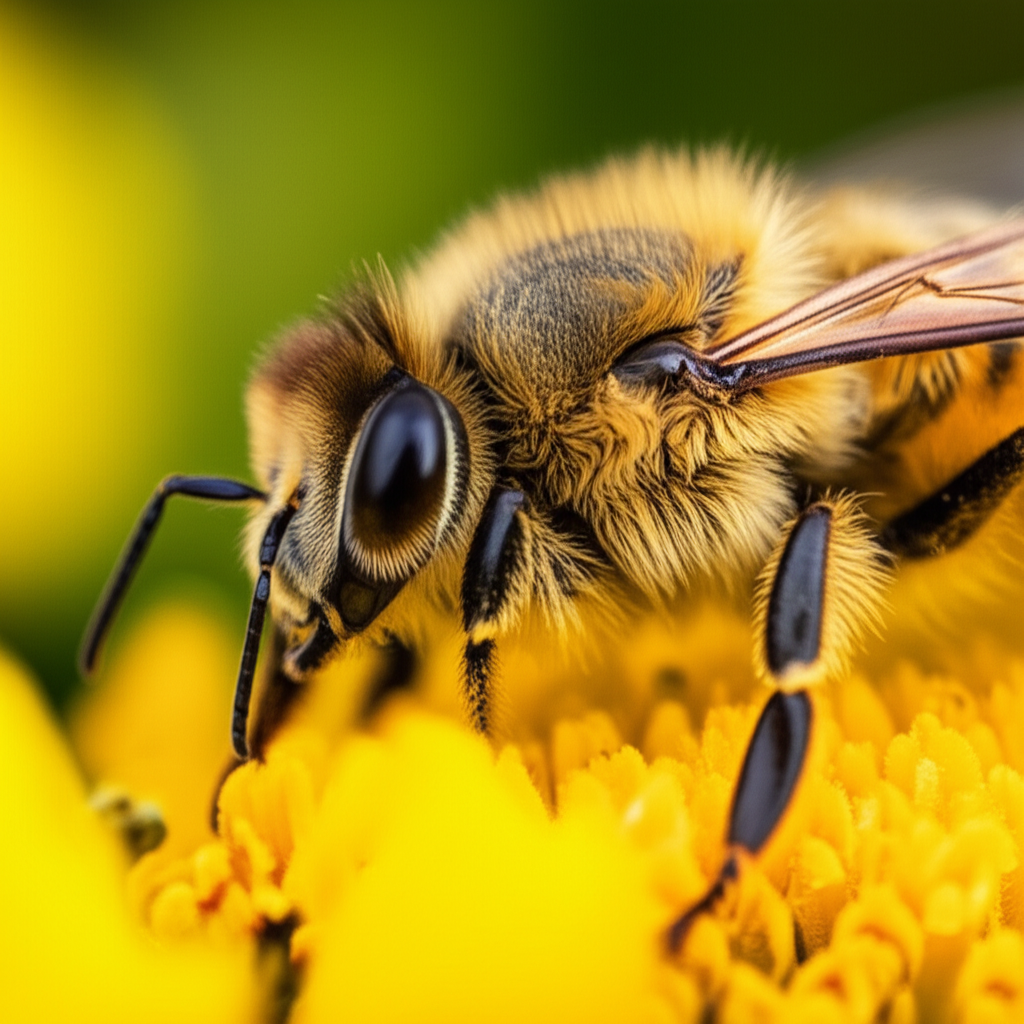
- Why Bees Are Nature's Unsung Heroes
- The Buzz Behind Our Breakfast Table
- Beyond the Farm: Bees and Biodiversity
- Understanding Why Bee Decline Poses a Global Threat
- Why Supporting Our Pollinators Matters More Than Ever
Why bees are vital for life on Earth is a truth far grander and more profound than many of us realize. These tiny, industrious insects, often associated solely with honey production, are in fact the linchpins of our global food systems, the silent architects of biodiversity, and the true unsung heroes of our planet’s ecosystems. Understanding their indispensable role reveals a stunning truth: our own survival is inextricably linked to theirs.
Why Bees Are Nature’s Unsung Heroes
At the heart of the bee’s vital role lies pollination. This seemingly simple act is the cornerstone of plant reproduction, a process without which the vast majority of flowering plants would struggle to produce seeds, fruits, and new generations. While some plants are wind-pollinated or self-pollinating, an astonishing 75% of the world’s food crops and 90% of wild flowering plants rely on animal pollinators, and bees are by far the most significant of these.
From the vibrant blossoms of an apple orchard to the humble flowers of a coffee plant, bees move pollen from one flower to another, enabling fertilization. This isn’t just about delicious honey or the occasional painful sting; it’s about the very sustenance that fills our plates and sustains countless species across the globe.
The Buzz Behind Our Breakfast Table
Consider your last meal. Chances are, bees played a crucial role in bringing many of its components to fruition. Almonds, apples, avocados, blueberries, broccoli, cherries, cranberries, cucumbers, melons, peaches, pears, pumpkins, strawberries, and even coffee and chocolate – all owe a significant debt to bee pollination. Without bees, the availability and diversity of these foods would plummet, leading to a much blander, less nutritious, and significantly more expensive diet.
The economic implications are staggering. Bee pollination contributes billions of dollars annually to the global agricultural economy. Farmers worldwide depend on bees to ensure crop yields and quality. Reduced bee populations mean smaller harvests, increased costs for artificial pollination methods (which are often less efficient), and ultimately, higher food prices for consumers. This isn’t merely an environmental concern; it’s a critical economic and food security issue impacting nations and households worldwide.
Beyond the Farm: Bees and Biodiversity
Bees’ influence extends far beyond agricultural fields. They are crucial for maintaining the health and diversity of natural ecosystems. Wildflowers, shrubs, and trees across forests, grasslands, and wetlands depend on bees for reproduction. When wild plants thrive, they provide food and shelter for a vast array of other wildlife, including birds, mammals, and insects.
A decline in bee populations invariably leads to a decline in plant diversity, which in turn causes a cascade effect throughout the food web. Entire ecosystems can be thrown out of balance, threatening the survival of species far removed from the direct act of pollination. Bees are often considered a “keystone species” – a species whose removal would have a disproportionately large effect on its natural environment. Their health is a powerful indicator of the overall health of an ecosystem.
Understanding Why Bee Decline Poses a Global Threat
Despite their immense importance, bee populations worldwide are facing unprecedented threats. The phenomenon of Colony Collapse Disorder (CCD), characterized by the sudden disappearance of worker bees from a hive, has brought widespread attention to the plight of honeybees. However, the crisis extends to wild bee species as well, with many facing severe decline.
The causes are multifaceted and complex:
Habitat Loss: Urbanization, monoculture farming, and the fragmentation of natural landscapes reduce the availability of diverse forage and nesting sites.
Pesticides: Systemic pesticides, particularly neonicotinoids, can directly kill bees or impair their navigation, communication, and immune systems, even at sub-lethal doses.
Climate Change: Shifting weather patterns, extreme temperatures, and altered flowering times disrupt the delicate synchronicity between bees and the plants they pollinate.
Diseases and Parasites: Pests like the varroa mite and various viruses pose significant threats to bee colonies, often exacerbated by stress from other factors.
Lack of Genetic Diversity: In managed bee populations, narrow genetic diversity can make colonies more susceptible to diseases and environmental changes.
The ramifications of continued bee decline are dire. Imagine a world with dramatically less variety in fruits, vegetables, and nuts, where staple crops become scarce or prohibitively expensive. Envision ecosystems collapsing as key plant species disappear, taking with them the animals that depend on them. This isn’t a dystopian fantasy; it’s a very real possibility if we fail to address the challenges facing our pollinators.
Why Supporting Our Pollinators Matters More Than Ever
The good news is that there are actions we can take, both individually and collectively, to protect bees and other pollinators. Understanding why this effort is so crucial is the first step towards meaningful change.
Plant Pollinator-Friendly Gardens: Even a small patch of wildflowers, herbs like lavender and rosemary, or flowering shrubs can provide vital nectar and pollen sources. Prioritize native plants, which are best adapted to local conditions and attract local bee species.
Avoid Pesticides: Opt for organic methods in your garden and lawn. If pesticides are necessary, choose less toxic options and apply them responsibly, never when bees are active.
Support Local Beekeepers: Purchasing local honey and other bee products directly contributes to the livelihoods of beekeepers, who are on the front lines of bee conservation.
Advocate for Change: Support policies that promote sustainable agriculture, protect natural habitats, and restrict the use of harmful pesticides.
Provide Water Sources: A shallow dish with pebbles or marbles can offer a safe drinking spot for thirsty bees.
* Leave Undisturbed Areas: Patches of bare soil, old log piles, or un-mown grass can provide nesting sites for ground-nesting and solitary bees.
In conclusion, the stunning truth revealed by examining the role of bees is that they are not just providers of honey; they are fundamental to life as we know it. From the food on our tables to the health of our planet’s most intricate ecosystems, their work underpins our very existence. Protecting bees is not merely an act of environmentalism; it is an act of self-preservation, ensuring a vibrant, healthy, and food-secure future for all.
0 Comments