- The Science Behind the Shivers: Why Do Our Muscles React?
- An Evolutionary Echo: Why Did We Develop Goosebumps?
- Modern Triggers: Why Do We Still Get Goosebumps Now?
- Goosebumps and Our Human Experience
- Beyond the Prickles: What Do Goosebumps Tell Us?
Why do goosebumps suddenly appear, prickling our skin in response to a chill, a spine-tingling sound, or a moment of profound emotion? This seemingly simple reaction is, in fact, a fascinating interplay of ancient biology, evolutionary history, and complex human psychology. Often dismissed as a minor bodily quirk, the phenomenon of goosebumps offers a compelling window into our past and the intricate workings of our nervous system. Let’s peel back the layers and uncover the truth behind this universal experience.
The Science Behind the Shivers: Why Do Our Muscles React?
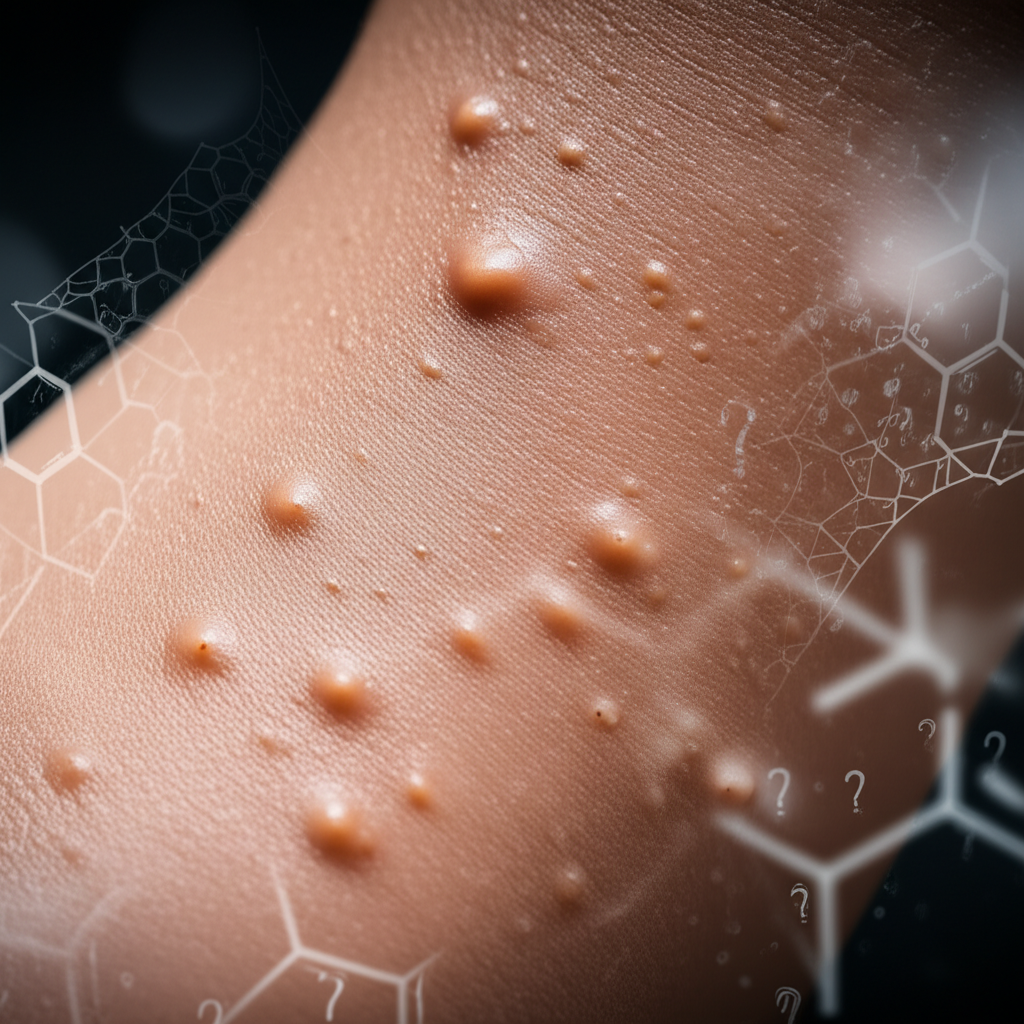
At its core, a goosebump is a direct result of a physiological process called piloerection. Each tiny hair on our body is connected to a microscopic muscle known as an arrector pili muscle. When these muscles contract, they pull the hair follicle upright, causing the hair to stand on end. This action creates a small bump on the skin surrounding the follicle – the familiar goosebump (or “chicken skin,” as it’s sometimes called).
This entire process is involuntary, triggered by the sympathetic nervous system, specifically its “fight or flight” response. Neurotransmitters like adrenaline are released, prompting these tiny muscles into action. While modern humans may not fully grasp the immediate purpose of this reaction, its origins lie deep in our evolutionary past.
An Evolutionary Echo: Why Did We Develop Goosebumps?
To truly understand why we get goosebumps, we must look to our furrier ancestors. For creatures covered in a thick coat of hair or fur, piloerection served two primary, life-sustaining functions:
1. Insulation: When a furry animal gets cold, its arrector pili muscles contract, causing its fur to stand on end. This creates a thicker layer of trapped air close to the body, acting as an insulating barrier against the cold. It’s akin to putting on a thicker jacket. For our distant, hairier progenitors, this was a vital mechanism for thermoregulation, helping to maintain core body temperature in harsh conditions.
2. Threat Display: Standing fur also made animals appear larger and more intimidating to potential predators or rivals. Think of a startled cat arching its back and puffing up its fur – it’s an instinctive display meant to deter threats by making itself look bigger and more formidable. This visual deterrent could be the difference between life and death.
As humans evolved and lost most of our dense body hair, the insulating and intimidating effects of piloerection became largely vestigial. We no longer rely on these mechanisms for survival as directly as our ancestors did. Yet, the neurological wiring remains, ready to be activated under specific circumstances.
Modern Triggers: Why Do We Still Get Goosebumps Now?
Despite their diminished practical function for insulation or intimidation, goosebumps persist in modern humans, triggered by a surprisingly diverse range of stimuli. Understanding these triggers helps us grasp the phenomenon’s connection to our emotional and sensory processing:
Cold: This is perhaps the most direct and primal trigger. When exposed to a sudden drop in temperature, our ancient thermoregulation system kicks in, even if the resulting “insulation” from our Sparse body hair is negligible. It’s a clear echo of our mammalian heritage.
Fear and Stress: The “fight or flight” response is deeply linked to fear. When we perceive a threat or experience extreme stress, adrenaline floods our system, leading to piloerection. This is the same mechanism that would have made our ancestors’ fur stand on end, a biological reflex that persists even when the external threat requires a different, more sophisticated response.
Strong Emotions (Awe, Inspiration, Nostalgia): This is where goosebumps become particularly fascinating. Many people experience “frisson” – a brief, intense emotional thrill or shiver – in response to deeply moving music, powerful speeches, breathtaking art, or evocative memories. For example, hearing a beloved song from your youth or witnessing a truly inspiring moment can send shivers down your spine. Research suggests that these emotional goosebumps are linked to the brain’s reward system, particularly our processing of anticipation and emotional intensity, often involving the release of dopamine.
Sensory Experiences: Certain sounds, like fingernails on a chalkboard or a particularly moving vocal performance, can also trigger goosebumps, highlighting the varied pathways through which our nervous system can be stimulated.
Goosebumps and Our Human Experience
This modern array of triggers underscores that goosebumps are more than just a relic; they are a profound indicator of our internal state. They reveal our innate connection to primal survival instincts, even as they speak to the sophistication of our emotional landscape. When goosebumps rise in response to music, it’s a testament to the power of art to touch us on a visceral level, bypassing conscious thought to activate ancient pathways. They serve as a physical manifestation of deep emotional engagement, a silent acknowledgment of something profound.
Beyond the Prickles: What Do Goosebumps Tell Us?
Ultimately, goosebumps offer a compelling glimpse into the layered complexity of being human. They remind us that we are creatures of evolution, carrying vestiges of our distant past within our biology. At the same time, their modern triggers highlight our capacity for complex emotions, aesthetic appreciation, and empathetic connection. A shiver down the spine is not just a random occurrence; it’s a window into the interconnectedness of our body and mind, a silent, yet powerful, testament to the enduring presence of our primal past in our remarkably nuanced present. So, the next time you feel those tiny bumps appear, take a moment to appreciate the fascinating story they tell.
0 Comments