
- The Ecological Heartbeat of the Ocean: Why Reefs Are Vital
- Biodiversity Hotspots
- Natural Coastal Protectors
- Economic Powerhouses
- The Artistry Beneath the Waves: What Makes Them Truly Stunning?
- A Kaleidoscope of Colors
- Intricate Architectures
- The Symphony of Life
- Fragile Wonders: Threats and Our Role
What makes coral reefs one of Earth’s most precious and visually captivating ecosystems? These submerged cities of living stone are far more than just pretty underwater landscapes; they are bustling metropolises of marine life, vital engines for ocean health, and breathtaking natural wonders that inspire awe and wonder in all who encounter them. Their dual nature as both indispensable ecological powerhouses and stunning visual spectacles cements their status as global treasures warranting our deepest understanding and most fervent protection.
The Ecological Heartbeat of the Ocean: Why Reefs Are Vital
The vitality of coral reefs stems from their multifaceted contributions to the planet’s ecological balance and human well-being. They are often dubbed the “rainforests of the sea” – and for good reason.
Biodiversity Hotspots
Despite covering less than 0.1% of the ocean floor, coral reefs support an estimated 25% of all marine species. From microscopic organisms to majestic sharks, an incredible array of fish, invertebrates, sea turtles, and marine mammals call these vibrant structures home. This unparalleled biodiversity is not just a statistical marvel; it signifies a complex web of life where each species plays a crucial role in maintaining the reef’s health and productivity. Many species found on reefs are endemic, meaning they exist nowhere else on Earth, making coral protection paramount for global biodiversity.
Natural Coastal Protectors
Coral reefs act as natural breakwaters, dissipating up to 97% of wave energy. This critical function protects coastlines from erosion, storm surges, and the destructive power of tsunamis, safeguarding coastal communities, infrastructure, and crucial ecosystems like mangroves and seagrass beds. Without reefs, many low-lying coastal areas would be far more vulnerable to the increasing intensity of climate change-driven weather events.
Economic Powerhouses
Beyond their ecological services, reefs provide immense economic value. They support artisanal and commercial fisheries, providing food security and livelihoods for hundreds of millions of people worldwide. Global tourism, particularly diving and snorkeling, is heavily reliant on healthy reefs, generating billions of dollars annually and creating jobs in coastal communities. Moreover, the unique biochemistry of reef organisms is a treasure trove for scientific research, potentially yielding new medicines and biotechnological advancements.
The Artistry Beneath the Waves: What Makes Them Truly Stunning?
While their ecological importance is undeniable, the sheer visual appeal of coral reefs is what first captures the human imagination. They are living artworks, sculpted by millennia of biological processes into forms of captivating beauty.
A Kaleidoscope of Colors
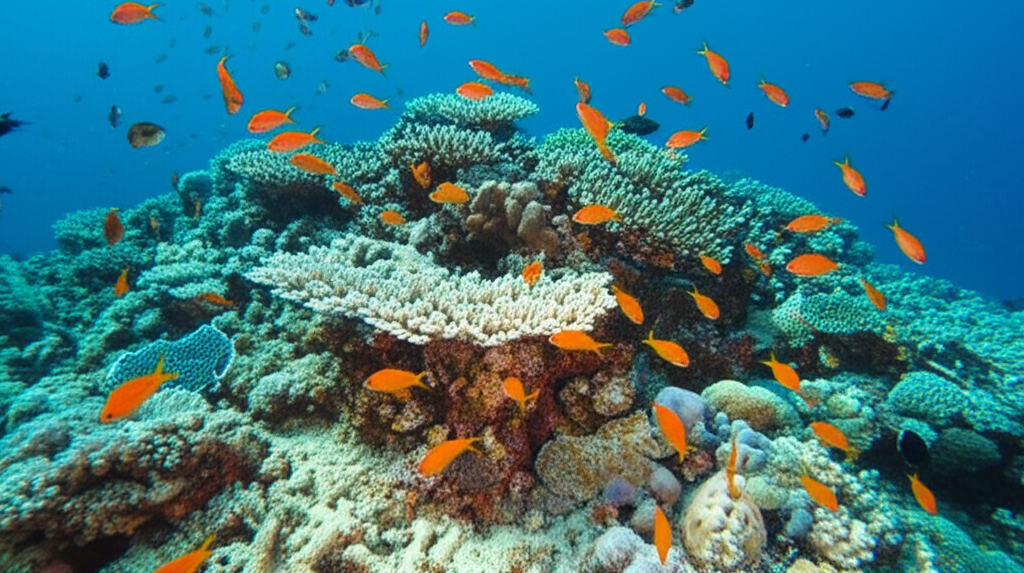
The vibrant hues that paint coral reefs are a dazzling spectacle. Much of this color comes from zooxanthellae, microscopic algae living within the coral polyps, which perform photosynthesis and give the coral its amazing palette of greens, blues, purples, yellows, and reds. Coupled with the iridescent scales of tropical fish, the rich pigments of sponges, sea anemones, and other invertebrates, the reef becomes a living kaleidoscope, constantly shifting and shimmering under the sun’s rays.
Intricate Architectures
The physical structures created by corals are works of natural engineering. From delicate, branching staghorn corals that create ethereal underwater forests to massive brain corals with their convoluted patterns, and broad tabletop corals forming living platforms, the architectural diversity is astounding. These varied formations create an intricate three-dimensional landscape of nooks, crannies, caves, and overhangs, offering shelter, hunting grounds, and breeding sites for an endless variety of marine creatures.
The Symphony of Life
Observing a healthy coral reef is like witnessing a choreographed symphony of life. Schools of fish darting in unison, a curious sea turtle gliding effortlessly, a majestic shark patrolling its territory, tiny hermit crabs scuttling across the substrate – every moment offers a different drama or display of natural beauty. The sheer volume and diversity of life moving within the colorful coral structures create a dynamic and endlessly fascinating panorama that enchants divers, snorkelers, and scientists alike.
Fragile Wonders: Threats and Our Role
Despite their resilience and grandeur, coral reefs are incredibly fragile. They face unprecedented threats from climate change, primarily rising ocean temperatures leading to coral bleaching, and ocean acidification which makes it harder for corals to build their skeletons. Pollution, destructive fishing practices, and unsustainable tourism further exacerbate these pressures.
Understanding what makes coral reefs so vital and stunning underscores the urgency of their protection. Their loss would not only devastate marine biodiversity and cripple coastal economies but also rob humanity of one of its most awe-inspiring natural wonders. Protecting these invaluable ecosystems requires global efforts to combat climate change, establish and enforce marine protected areas, and promote sustainable practices in all human interactions with the ocean. By recognizing their profound value, both tangible and aesthetic, we commit to safeguarding these vital and stunning underwater cities for generations to come.
0 Comments