
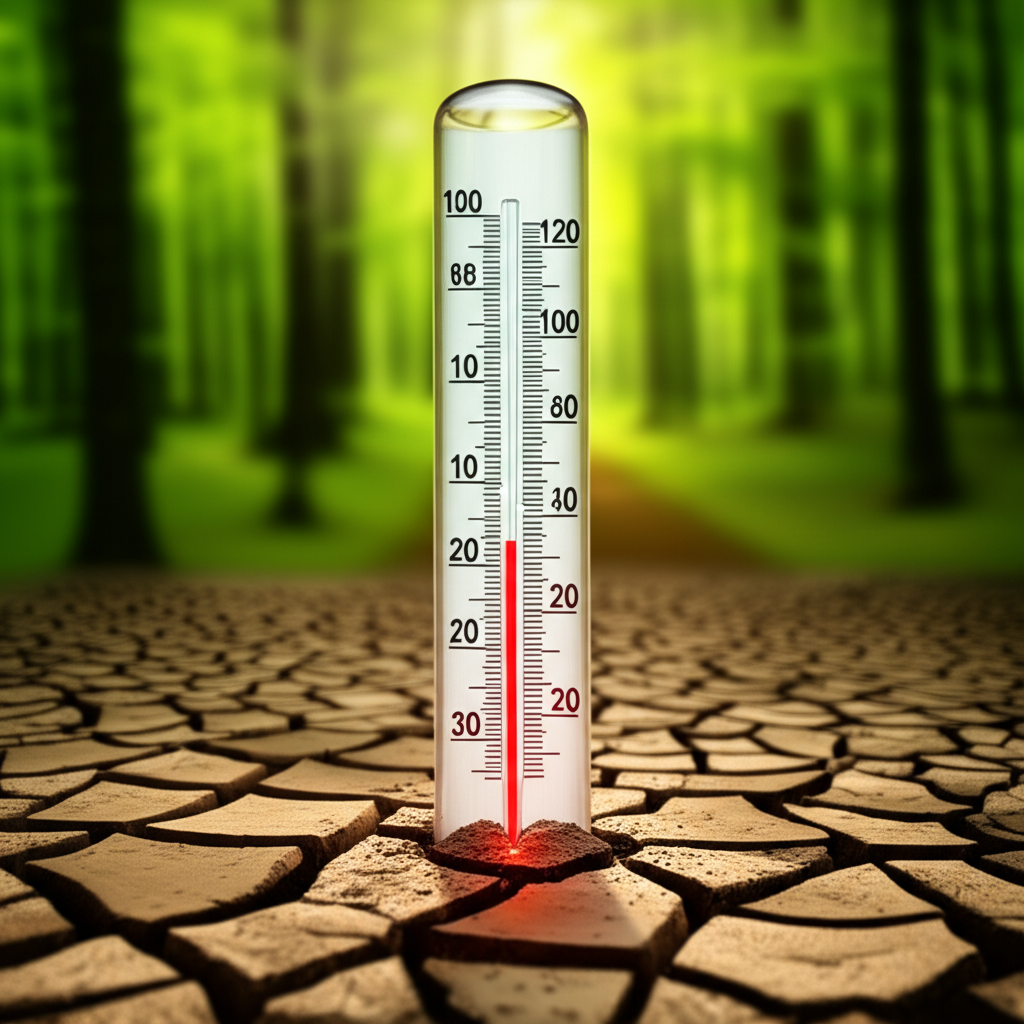
The Urgent Truth of Global Warming Science
The urgent truth of global warming science is not a future projection or a distant theoretical concept; it is a present reality unfolding before our eyes, backed by an overwhelming consensus of scientific research and data from every corner of the globe. For decades, scientists have meticulously observed, measured, and analyzed Earth’s climate system, revealing a clear and concerning trajectory: our planet is warming at an unprecedented rate, largely due to human activities. Understanding the intricate science behind this phenomenon is not merely an academic exercise; it is an essential foundation for informed decisions and meaningful action.
The Unmistakable Evidence
The evidence for global warming is comprehensive and consistent, drawing from multiple independent lines of inquiry. We observe rising global average temperatures, both on land and in the oceans. Glaciers and ice sheets are melting at alarming rates, contributing to a measurable rise in global sea levels. Ocean acidity is increasing as the oceans absorb more carbon dioxide, threatening marine ecosystems. Extreme weather events – including more intense heatwaves, prolonged droughts, heavier rainfall, and more powerful storms – are becoming more frequent and severe in many regions. Each of these observations, individually compelling, collectively paints an undeniable picture of a planet undergoing rapid and profound change. Satellite data, deep-sea probes, ice core samples, and historical temperature records all corroborate this stark reality, providing a robust, multi-layered body of proof.
Understanding The Greenhouse Effect
At the heart of global warming science lies the greenhouse effect. This is a natural and vital process that keeps our planet warm enough to sustain life. Certain gases in Earth’s atmosphere, known as greenhouse gases (GHGs) – primarily water vapor, carbon dioxide (CO2), methane (CH4), and nitrous oxide (N2O) – trap some of the heat radiated from the Earth’s surface, preventing it from escaping into space. Without this natural blanket, Earth would be a frozen, uninhabitable world.
However, human activities since the Industrial Revolution have dramatically increased the concentration of these gases in the atmosphere. The burning of fossil fuels (coal, oil, and natural gas) for energy, industrial processes, and transportation releases vast quantities of CO2. Deforestation reduces Earth’s capacity to absorb CO2, further exacerbating the problem. Agriculture, particularly livestock farming and the use of nitrogen fertilizers, contributes significant amounts of methane and nitrous oxide. These additional greenhouse gases amplify the natural greenhouse effect, trapping more heat and causing the Earth’s average temperature to rise.
The Scientific Consensus and Modelling
The scientific community’s consensus on global warming and its anthropogenic (human-caused) origins is nearly unanimous – above 97%, and even higher in some studies. Organizations like the Intergovernmental Panel on Climate Change (IPCC), comprising thousands of scientists from around the world, synthesize the latest research, providing regular comprehensive assessments. Their reports make it clear that the observed warming cannot be explained by natural cycles alone.
Scientists use sophisticated climate models – complex computer simulations based on the laws of physics, chemistry, and biology – to understand past climate patterns and project future scenarios. These models, constantly refined with new data and improved understanding, accurately reproduce past climate changes, strengthening their predictive capabilities. They consistently show that without drastic reductions in greenhouse gas emissions, global temperatures will continue to rise, leading to more severe and widespread impacts.
The Human Fingerprint and Its Implications
Detecting the human fingerprint on climate change goes beyond correlating rising GHG levels with rising temperatures. Scientists employ various methods, such as isotopic analysis of atmospheric carbon, which can distinguish between carbon from fossil fuels and naturally occurring carbon. This analysis unequivocally demonstrates that the excess CO2 in the atmosphere originates from human activities.
The implications of this accelerated warming are profound and far-reaching:
Ecosystem Disruption: Species struggle to adapt to rapid habitat changes, leading to biodiversity loss and increased extinction rates. Coral reefs, vital marine ecosystems, are particularly vulnerable to ocean warming and acidification.
Water Scarcity and Food Security: Changing precipitation patterns, melting snowpacks, and increased evaporation exacerbate water shortages in many regions, impacting agriculture and basic human needs. This, in turn, threatens food security for millions.
Extreme Weather: We are already witnessing more frequent and intense heatwaves, droughts, floods, and wildfires, posing significant risks to human life, infrastructure, and economies.
Sea Level Rise: Continued melting of glaciers and ice sheets, combined with the thermal expansion of warming ocean water, will lead to further sea level rise, threatening coastal communities and ecosystems worldwide.
* Human Health: Heat stress, altered disease vectors (e.g., mosquito-borne illnesses spreading to new areas), and air pollution can all have significant impacts on public health.
The Path to Mitigation and Adaptation
Confronting the urgent truth of global warming science requires a dual approach: mitigation and adaptation. Mitigation involves reducing greenhouse gas emissions to slow or halt global warming. This includes transitioning to renewable energy sources like solar and wind power, improving energy efficiency, adopting sustainable agricultural practices, and protecting and restoring forests. Adaptation, meanwhile, involves adjusting to the changes already underway and those that are unavoidable. This means building more resilient infrastructure, developing drought-resistant crops, establishing early warning systems for extreme weather, and managing coastal retreat.
The scale of the challenge is immense, but so is the potential for innovation, cooperation, and positive change. Individual actions, collective societal shifts, governmental policies, and international agreements all play crucial roles. Ignoring the scientific consensus or delaying action will only amplify the costs and consequences in the future.
Ultimately, global warming science presents us with a clarity that demands action. It is a call to recognize our collective responsibility to protect the planet for current and future generations. The tools, knowledge, and solutions exist; what is needed now is the unwavering will to implement them.
0 Comments