
- Biodiversity Hotspots of the Ocean
- Economic Pillars for Millions
- Natural Coastal Protection
- Understanding What Powers These Underwater Cities: Ecosystem Services
- The Urgent Need for Conservation
- Conclusion
What makes coral reefs incredibly vital? Far from being mere underwater decorations, these vibrant ecosystems are among the most important on Earth, teeming with life and providing invaluable services to both marine environments and human societies. Often dubbed the “rainforests of the sea,” coral reefs cover less than 1% of the ocean floor but support an astonishing 25% of all marine species. Their intricate structures, built over centuries by tiny coral polyps, create complex habitats that are fundamental to planetary health and human well-being.
Biodiversity Hotspots of the Ocean
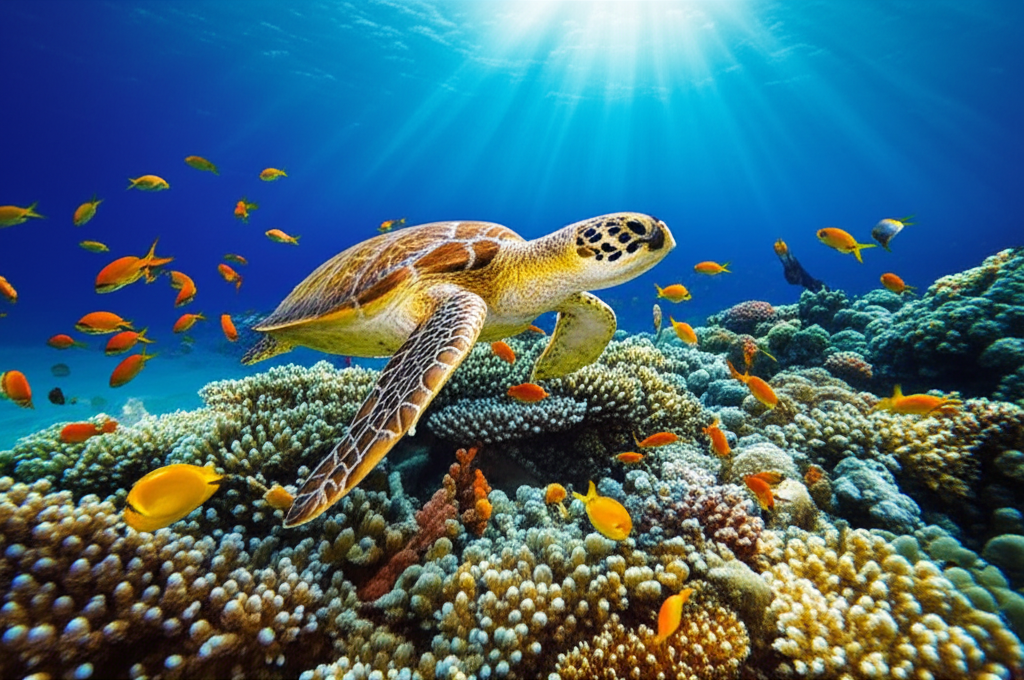
The sheer biodiversity harbored by coral reefs is perhaps their most striking characteristic. These underwater cities provide shelter, feeding grounds, and nurseries for an immense array of marine organisms. Thousands of species of fish, including iconic parrotfish, clownfish, and snapper, rely on reefs for survival. Beyond fish, reefs support countless invertebrates like sea urchins, starfish, crabs, lobsters, and a dazzling variety of mollusks. Larger creatures such as sea turtles, sharks, and marine mammals also frequent these areas, drawn by the abundance of food and shelter. This incredible concentration of life forms not only contributes to the aesthetic beauty of the underwater world but also plays crucial roles in maintaining the delicate balance of ocean ecosystems globally. The loss of a reef can trigger a cascading effect, impacting species far beyond its immediate vicinity.
Economic Pillars for Millions
Beyond their ecological significance, coral reefs are massive economic engines, directly sustaining the livelihoods of hundreds of millions of people worldwide. Tourism is a primary sector, with snorkeling, diving, and fishing excursions drawing visitors from across the globe. These activities generate billions of dollars annually, creating jobs and supporting local economies in coastal communities, particularly in developing nations.
Furthermore, reefs are critical for global food security. They serve as essential breeding grounds and feeding areas for many commercially important fish species. Artisanal fisheries, which provide a significant portion of protein for coastal communities, are heavily dependent on healthy reefs. The pharmaceutical industry also looks to coral reefs as a promising source for new medicines. Compounds derived from reef organisms have shown potential in treating cancer, arthritis, bacterial infections, and other diseases, hinting at untold future medical breakthroughs.
Natural Coastal Protection
Coral reefs act as natural breakwaters, providing vital protection for coastlines. Their sturdy structures dissipate up to 97% of wave energy, safeguarding shorelines from erosion, storm surges, and the destructive power of tsunamis. This natural barrier prevents coastal flooding, preserves beaches, and protects vital infrastructure such as roads, homes, and businesses. In an era of rising sea levels and more intense weather events, the protective role of healthy reefs becomes even more critical, often eliminating the need for expensive artificial coastal defenses. Losing these natural protectors exposes vulnerable coastlines to increased damage and dramatically higher costs for human communities.
Understanding What Powers These Underwater Cities: Ecosystem Services
The ecosystem services provided by coral reefs extend far beyond biodiversity and economic gain. The symbiotic relationship between coral polyps and microscopic algae called zooxanthellae is fundamental to their existence. These algae perform photosynthesis, producing oxygen and nutrients that feed the coral. This process also contributes to the oxygenation of the surrounding waters, a vital component of marine respiration.
Reefs also play a role in nutrient cycling, processing and recycling nutrients that are essential for the health of the entire marine food web. They filter water, improving clarity and quality, which benefits not only marine life but also other coastal ecosystems like seagrass beds and mangroves. Their complex structures act as natural nurseries, allowing young marine organisms to grow and thrive before venturing into the open ocean, thus replenishing fish stocks and supporting broader marine populations. These intricate interconnections highlight the reef’s role as a cornerstone of ocean health.
The Urgent Need for Conservation
Despite their undeniable importance, coral reefs are among the most threatened ecosystems on Earth. Climate change, leading to ocean warming and acidification, is causing widespread coral bleaching and hindering their ability to grow and repair. Pollution from land-based sources, overfishing, destructive fishing practices, and unsustainable tourism also inflict severe damage.
Protecting coral reefs is not just an environmental issue; it is an imperative for global economic stability, food security, and human well-being. Conservation efforts range from establishing marine protected areas and regulating fishing to reducing carbon emissions and promoting sustainable tourism. Investing in reef conservation is an investment in the future of our planet and ourselves.
Conclusion
From fostering an unparalleled diversity of life and fueling economies to forming natural barriers against destructive storms and performing critical ecological processes, the incredible vitality of coral reefs cannot be overstated. They are invaluable natural assets that underscore the intricate connections within our global ecosystem. Recognizing their immense value compels us to act decisively, ensuring that these breathtaking underwater wonders continue to thrive for generations to come, sustaining life both beneath the waves and across the planet’s shores.
0 Comments