- The Enigmatic Nature of Déjà Vu
- What Science Tells Us About Brain Activity
- Mismatched Brain Signals and Split Perception
- Temporal Lobe Activity and Memory Systems
- What Psychological Theories Propose
- Attentional Lapses and Unconscious Recognition
- Cryptomnesia and Hidden Memories
- Gestalt Recognition and Contextual Similarities
- The Continuing Enigma
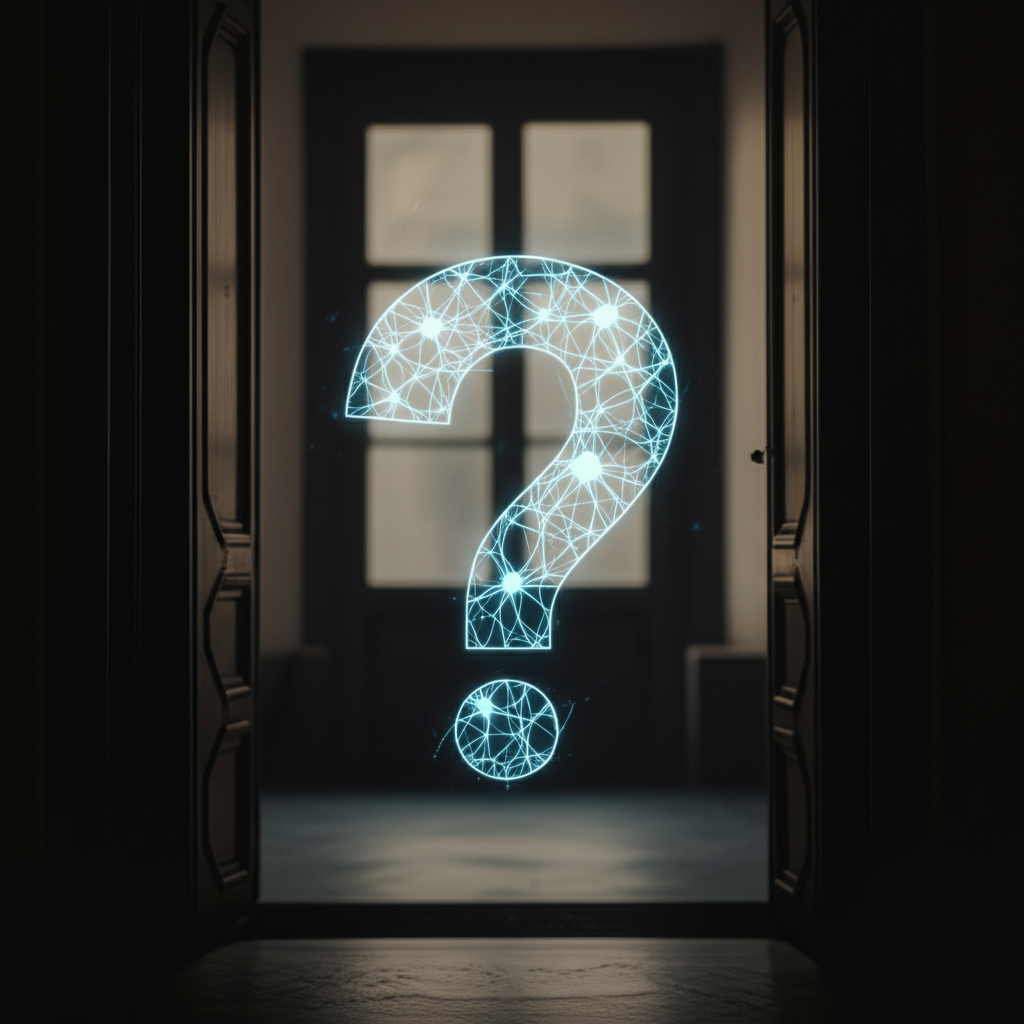
What is that uncanny, fleeting sensation, the inexplicable feeling that you’ve experienced this exact moment before – uttered these very words, stood in this precise spot, or witnessed this unfolding scene with startling familiarity? This perplexing phenomenon, known as Déjà vu (French for “already seen”), is a common human experience that has fascinated philosophers, scientists, and the curious public for centuries. Far from being a mere trick of the mind, it hints at the intricate and often mysterious workings of our brains. While no single, definitive answer fully explains Déjà vu, modern research offers several brilliant insights into its potential causes, drawing from the fields of neurology, psychology, and cognitive science.
The Enigmatic Nature of Déjà Vu
Almost everyone has experienced Déjà vu at some point in their lives, with studies suggesting that anywhere from 70% to 95% of people report having had this sensation. It’s most prevalent in young adults, tending to decrease in frequency with age. Typically, it occurs spontaneously and lasts only for a few seconds, often leaving the individual with a sense of wonder or mild disquiet. It’s important to distinguish common, benign Déjà vu from experiences associated with certain neurological conditions like temporal lobe epilepsy, where it can be a part of an aura preceding a seizure. For the vast majority, however, it’s a harmless and fascinating glitch in our perception of reality.
What Science Tells Us About Brain Activity
Many of the leading theories regarding Déjà vu stem from our understanding of how the brain processes information, particularly memory and perception.
Mismatched Brain Signals and Split Perception
One prominent theory suggests that Déjà vu arises from a momentary glitch in brain processing. Our brains are constantly receiving and integrating vast amounts of sensory information. It’s proposed that Déjà vu could occur when the brain processes new information via two separate pathways, but one pathway is slightly delayed. Imagine seeing an object, and your brain processes its visual properties a millisecond before it processes its spatial relations or emotional context. This slight desynchronization could lead to the feeling that you’re experiencing the event again as your brain tries to fully integrate the delayed information, generating a sense of familiarity with something new.
Temporal Lobe Activity and Memory Systems
The temporal lobes of the brain are crucial for memory formation, retrieval, and processing visual and auditory information. Research has shown that electrical stimulation of the temporal lobe during neurosurgery can induce Déjà vu-like sensations in some patients. This has led scientists to hypothesize that Déjà vu might be a temporary, benign misfiring within these memory systems. Essentially, the brain’s recognition system – which usually compares new input with existing memories – might be triggered incorrectly for a novel experience, creating a false sense of recognition without an actual past memory to match it to.
What Psychological Theories Propose
Beyond pure neurological misfires, psychological theories delve into how our minds interpret and categorize information, and how subtle cognitive biases or errors might contribute to the Déjà vu experience.
Attentional Lapses and Unconscious Recognition
Have you ever walked into a room, glanced around quickly without paying full attention, and then looked again more closely, feeling like you’ve seen it before? This concept underpins the “attentional lapse” theory. It suggests that Déjà vu can occur when we partially process a scene or event at a subconscious level without fully registering it. When we then fully attend to the same scene or event moments later, our brain has an unconscious trace of it, prompting the feeling of familiarity without a clear memory of ever having consciously perceived it.
Cryptomnesia and Hidden Memories
Another intriguing psychological explanation points to cryptomnesia, a phenomenon where a forgotten memory resurfaces but is mistakenly perceived as a new, original thought or experience. In the context of Déjà vu, this could mean that you’ve previously encountered a very similar scene, layout, conversation, or even a specific odor in a dream, a book, a movie, or a fleeting real-life moment that you consciously forgot. When you then encounter a genuinely new situation that strongly mirrors this forgotten experience, your brain retrieves the “hidden” memory, but without attributing it correctly to its original source. This then manifests as the startling feeling of “I’ve been here before,” even though the current experience is objectively new.
Gestalt Recognition and Contextual Similarities
Sometimes, Déjà vu might arise from a “gestalt” recognition – meaning the brain recognizes the overall configuration or layout of a new situation without consciously remembering a specific past event. For instance, walking into a coffee shop you’ve never visited, the arrangement of tables, the counter, and the general ambiance might bear a strong, unconscious resemblance to a different coffee shop you’ve been to, or even a scene from a film. Your brain recognizes the pattern or context as familiar, rather than the specific details, leading to the Déjà vu sensation. The brain identifies the forest before it identifies the trees.
The Continuing Enigma
While these theories offer compelling explanations, the truth is likely a complex interplay of several factors. Déjà vu is almost certainly not a single phenomenon with one cause, but rather an umbrella term for a variety of experiences stemming from different cognitive and neurological mechanisms. For the vast majority of people, Déjà vu remains a harmless, albeit bewildering, transient experience that underscores the incredible complexity and occasional quirks of the human brain. It serves as a reminder that our perception of reality is a delicately constructed masterpiece, prone to fascinating and brief moments of illusion. The pursuit of what truly causes Déjà vu continues, promising to unlock even deeper insights into the mysteries of human consciousness and memory.
0 Comments