
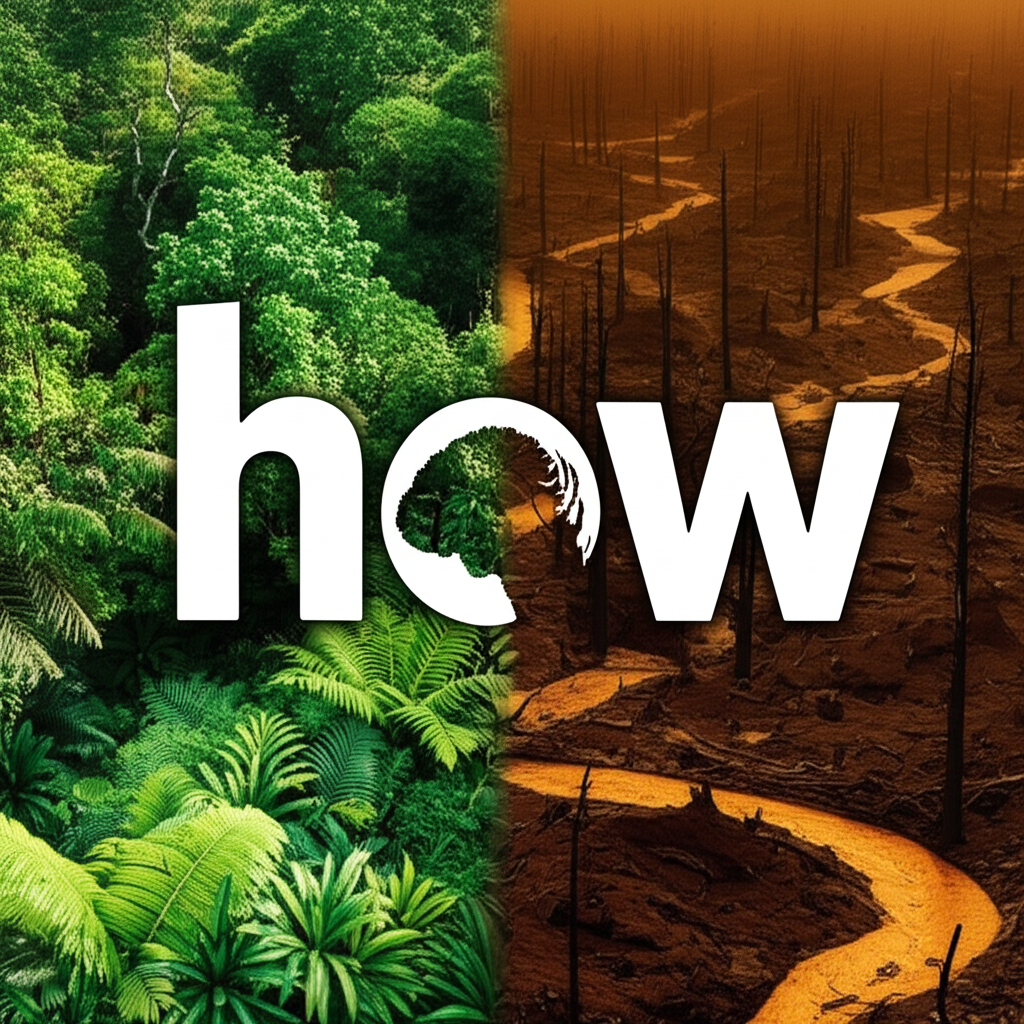
- The Unseen Collapse: How Human Actions Drive Global Biodiversity Loss
- The Relentless March of Habitat Destruction
- The Invisible Threat: Pollution
- Overexploitation: Draining the Well Dry
- Climate Change: A Catalyst for Ecological Upheaval
- Invasive Species: Alien Invaders
- How We Can Pivot from Devastation to Restoration
The Unseen Collapse: How Human Actions Drive Global Biodiversity Loss
How human actions, both small and sweeping, are orchestrating an unprecedented collapse in global biodiversity is a question that demands our urgent attention. From the relentless march of industrialization to the subtle ripple effects of individual consumption, our civilization’s footprint on the natural world has become a heavy tread, pushing countless species to the brink and fundamentally altering ecosystems that have thrived for millennia. Understanding the mechanisms behind this devastation is the first critical step toward reversing a crisis that threatens the very foundations of life on Earth.
Biodiversity, the rich tapestry of life comprising all plants, animals, microorganisms, and the ecosystems they form, is vital for a stable planet. It provides essential services like clean air and water, pollination of crops, climate regulation, and soil fertility. Yet, human activities are eroding this natural capital at an alarming rate, far exceeding natural extinction rates.
The Relentless March of Habitat Destruction
Perhaps the most direct and devastating impact of human activity is the destruction and fragmentation of natural habitats. As the human population grows, so does our demand for space, resources, and food. This translates into:
Deforestation: Vast tracts of forests, particularly rainforests, are cleared for agriculture (cattle ranching, soy cultivation, palm oil plantations), logging, mining, and human settlements. These forests are biodiversity hotspots, and their destruction eliminates unique species and disrupts entire ecological processes.
Urbanization and Infrastructure Development: The expansion of cities, roads, dams, and industrial zones consumes natural landscapes, replacing diverse ecosystems with concrete and steel. This not only destroys habitats but also isolates remaining natural areas, making it difficult for species to migrate or maintain healthy populations.
Intensified Agriculture: Modern agricultural practices often involve monocultures, widespread use of pesticides and herbicides, and the conversion of diverse landscapes (like grasslands and wetlands) into uniform croplands. This severely reduces habitat for native species and contaminates the environment.
When habitats are destroyed or fragmented, species lose their homes, food sources, and breeding grounds. Those that cannot adapt or migrate quickly enough face local extinction, shrinking their global gene pool.
The Invisible Threat: Pollution
Pollution, in its myriad forms, is another insidious destroyer of biodiversity. While often less visible than clear-cutting, its effects can be just as profound, contaminating ecosystems and poisoning life.
Plastic Pollution: Our oceans are choked with plastic, forming vast gyres and accumulating on shores. Marine animals ingest plastic, leading to starvation, internal injuries, and entanglement. Microplastics are now found throughout the food chain, with unknown long-term consequences.
Chemical Pollution: Industrial discharge, agricultural runoff (pesticides, fertilizers), and untreated sewage introduce harmful chemicals into waterways and soils. These pollutants can disrupt reproductive cycles, weaken immune systems, and cause direct mortality in aquatic and terrestrial species.
Air Pollution and Acid Rain: Emissions from factories and vehicles release pollutants like sulfur dioxide and nitrogen oxides, which can lead to acid rain. Acid rain degrades forest ecosystems, acidifies lakes and rivers, and harms sensitive aquatic life.
Greenhouse Gas Emissions: Emissions of carbon dioxide and other greenhouse gases are the primary drivers of climate change, a super-driver of biodiversity loss.
Overexploitation: Draining the Well Dry
Humanity’s insatiable demand for resources often leads to the overexploitation of wild populations, pushing many to the brink of collapse.
Unsustainable Fishing: Commercial fishing practices, including destructive methods like bottom trawling and vast driftnets, deplete fish stocks faster than they can reproduce. This also results in significant “bycatch” – unintended capture of non-target species like dolphins and sea turtles.
Hunting and Poaching: The illegal wildlife trade, driven by demand for exotic pets, traditional medicine, and luxury goods, decimates populations of iconic species like rhinos, elephants, and pangolins. Bushmeat hunting, while sometimes a vital source of protein for local communities, can also become unsustainable.
Logging and Harvesting: While some logging is sustainable, illegal and poorly regulated timber extraction degrades forests, removes critical old-growth trees, and disrupts complex forest ecosystems.
Climate Change: A Catalyst for Ecological Upheaval
Climate change, primarily driven by human-induced greenhouse gas emissions, acts as a powerful amplifier of all other threats to biodiversity. It’s profoundly altering the world’s ecosystems at an unprecedented pace.
Rising Temperatures: Changes in temperature regimes force species to shift their ranges, if possible, or face extinction if they cannot adapt or migrate. Coral reefs, vital marine biodiversity hotspots, undergo devastating bleaching events due to warming ocean waters.
Extreme Weather Events: Increased frequency and intensity of heatwaves, droughts, floods, and wildfires directly destroy habitats and kill wildlife.
Ocean Acidification: The absorption of excess CO2 by the oceans leads to acidification, making it harder for shell-forming marine organisms (like corals and shellfish) to build and maintain their shells and skeletons, disrupting entire food webs.
Shifting Seasons: Changes in phenology (the timing of biological events like flowering and migration) can disrupt delicate ecological relationships, such as those between pollinators and plants.
Invasive Species: Alien Invaders
Globalization and human travel have inadvertently facilitated the spread of invasive alien species. These non-native species, introduced intentionally or accidentally, can wreak havoc on native ecosystems.
Competition and Predation: Invasive species often outcompete native species for resources, predate on them, or introduce diseases that native species have no immunity to.
Habitat Alteration: Some invasive plants can drastically alter the physical structure of habitats, making them unsuitable for native flora and fauna.
Hybridization: In some cases, invasive species can interbreed with native species, leading to a loss of genetic distinctiveness in the native population.
How We Can Pivot from Devastation to Restoration
The grim picture painted by these facts can feel overwhelming, but understanding how human actions cause biodiversity loss also empowers us to identify solutions. Reversing these trends requires a multifaceted approach:
Protecting and Restoring Habitats: Establishing more protected areas, restoring degraded ecosystems (reforestation, wetland restoration), and promoting sustainable land management are crucial.
Reducing Pollution: Transitioning to renewable energy, implementing stricter environmental regulations, improving waste management (especially plastics), and adopting ecological farming practices can significantly cut pollution.
Sustainable Resource Management: Implementing sustainable fishing quotas, combating illegal wildlife trade, promoting responsible consumption, and embracing circular economy principles are vital.
Mitigating Climate Change: Rapidly transitioning away from fossil fuels, investing in renewable energy, improving energy efficiency, and engaging in carbon sequestration are paramount.
Preventing Invasive Species: Stricter biosecurity measures, responsible pet ownership, and careful management of ballast water in ships can help prevent new introductions.
* Promoting Awareness and Education: Educating the public about the value of biodiversity and the impacts of human actions is fundamental to fostering a culture of conservation.
The future of biodiversity, and indeed our own, hinges on our collective willingness to acknowledge our impact and choose a different path. The urgent facts of biodiversity loss compel us not just to observe, but to act with conviction and purpose, ensuring that the rich tapestry of life can continue to thrive for generations to come.
0 Comments