- The Heart: A Self-Sustaining Powerhouse
- The Electrical Symphony: Why the Rhythm Never Fails
- Fueling the Marathon: Energy for Endless Work
- Orchestrated Control: The Heart's Adaptability
- Cherishing Your Unstoppable Organ
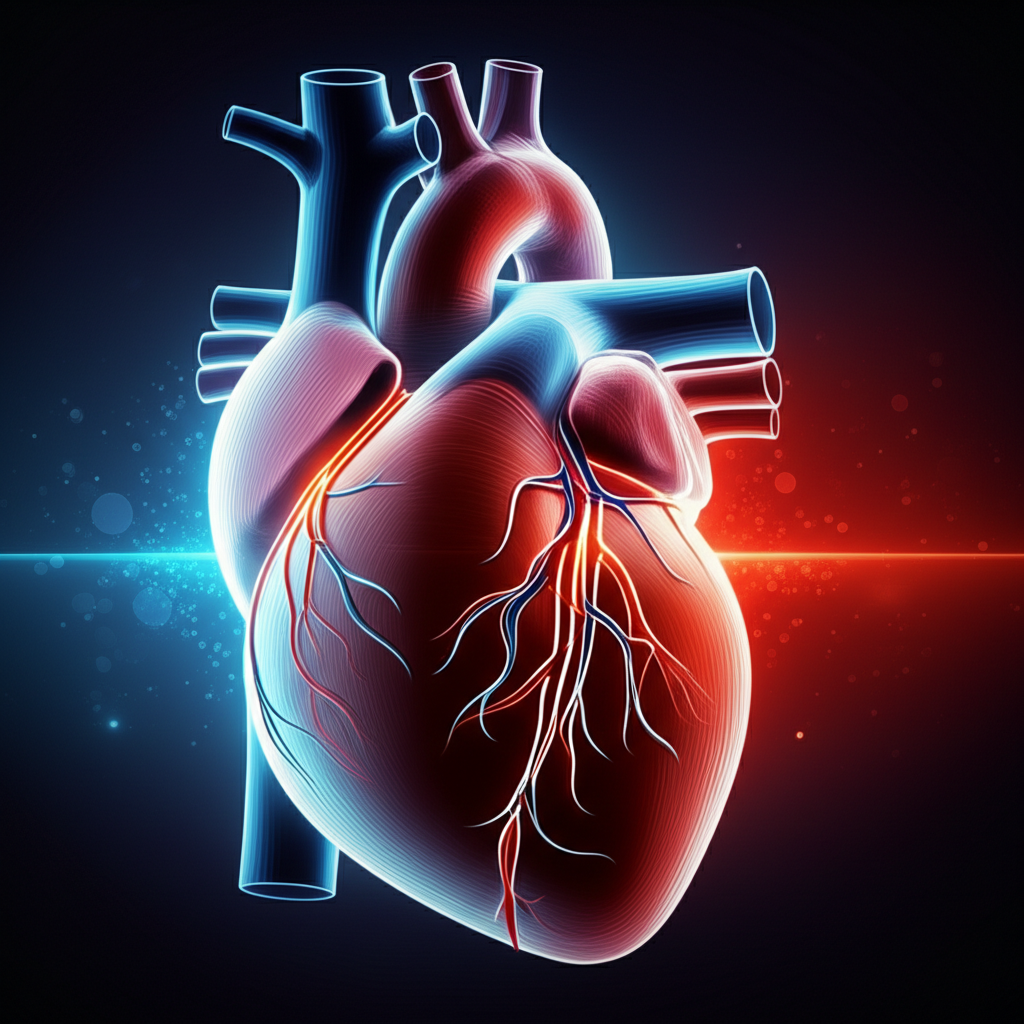
Why does your heart never stop beating? It’s one of the most profound and incredible mysteries of the human body, a silent testament to nature’s engineering brilliance that often goes unappreciated. From the moment it begins beating in the womb, often just three weeks after conception, until your very last breath, this muscular organ engages in a relentless, rhythmic dance, contracting and relaxing an astounding 100,000 times a day, circulating approximately 2,000 gallons of blood throughout your body. This ceaseless activity, occurring without conscious thought or effort, is not just a marvel of endurance but a complex symphony of specialized cells, electrical impulses, and biochemical signals. Unraveling the secret behind its uninterrupted operation reveals a sophisticated anatomical and physiological masterpiece.
The Heart: A Self-Sustaining Powerhouse
At its core, the heart is a highly specialized muscle, unlike any other in your body. While skeletal muscles that move your limbs require conscious commands from your brain, and smooth muscles in your gut receive signals from the involuntary nervous system, the cardiac muscle of your heart possesses an extraordinary degree of autonomy. It is designed for fatigue resistance and continuous operation, a stark contrast to a bicep muscle that can be exhausted after intense exertion.
This remarkable ability stems from the unique properties of its cells, known as cardiomyocytes. These cells are interconnected by specialized junctions called intercalated discs, which act like strong, communicative bridges. These discs contain gap junctions that allow electrical impulses to pass directly from one cell to the next, ensuring that the entire muscle contracts in a synchronized, wave-like fashion. This syncytial arrangement means that when one cardiac cell is excited, the excitation quickly spreads to all its neighbors, enabling a coordinated and efficient pump action.
The Electrical Symphony: Why the Rhythm Never Fails
The true “secret” to the heart’s tireless work lies primarily in its intrinsic electrical conduction system. The heart doesn’t wait for your brain to tell it to beat; it generates its own electricity. This vital process begins in a small cluster of specialized cells located in the upper right chamber (the right atrium) called the sinoatrial (SA) node.
The SA node is often referred to as the heart’s natural pacemaker. These unique cells possess an inherent instability in their electrical potential, causing them to spontaneously depolarize and fire electrical impulses at a regular rhythm. Each impulse generated by the SA node spreads rapidly across both atria, causing them to contract and push blood into the ventricles.
From the atria, the electrical signal converges at another critical relay station, the atrioventricular (AV) node, located between the atria and the ventricles. The AV node introduces a slight delay in the impulse transmission, a crucial pause that allows the atria to fully empty their blood into the ventricles before the larger, more powerful ventricles begin to contract. After this brief delay, the impulse travels down a specialized pathway called the Bundle of His, then branches out into Purkinje fibers, which rapidly distribute the electrical signal throughout the ventricular walls, causing them to contract forcefully and pump blood out to the lungs and the rest of the body. This intricate, self-regulating electrical pathway ensures a precise, coordinated, and continuous pumping action.
Fueling the Marathon: Energy for Endless Work
Such relentless activity demands an equally relentless supply of energy. Cardiac muscle is packed with mitochondria, the powerhouses of the cell, which efficiently convert nutrients into adenosine triphosphate (ATP), the primary energy currency of the body. The heart is remarkably adaptable in its fuel sources, capable of utilizing fatty acids, glucose, and even lactate, depending on availability. It primarily relies on aerobic respiration, requiring a constant and abundant supply of oxygen to generate ATP efficiently.
This high metabolic demand is met by the coronary arteries, a network of blood vessels that specifically supply the heart muscle itself with oxygen-rich blood and nutrients. Any disruption to this vital blood flow, such as in coronary artery disease, can quickly compromise the heart’s function, highlighting its critical dependence on a continuous energy supply. Unlike skeletal muscles that can switch to anaerobic metabolism during intense bursts, the heart cannot sustain itself without oxygen for long periods, hence the critical importance of maintaining healthy coronary circulation.
Orchestrated Control: The Heart’s Adaptability
While the heart possesses remarkable autonomy, its rhythm and force are not entirely isolated from the body’s needs. The autonomic nervous system plays a crucial role in fine-tuning heart activity in response to changing conditions. The sympathetic nervous system, often associated with the “fight or flight” response, releases hormones like adrenaline, which increase heart rate and the force of contraction during stress or exercise. Conversely, the parasympathetic nervous system, responsible for “rest and digest” functions, releases acetylcholine, which slows the heart rate down during periods of calm and recovery.
This dynamic regulation allows the heart to adapt its output precisely to the body’s demands, whether it’s powering you through a marathon, helping you relax during sleep, or responding to a sudden fright. This exquisite interplay between the heart’s intrinsic electrical system and external neural and hormonal influences ensures that it remains a consistently responsive and efficient pump.
Cherishing Your Unstoppable Organ
The amazing secret of why your heart never stops lies in a combination of specialized cellular structures, a unique electrical conduction system that acts as its own internal pacemaker, an efficient energy supply system, and a responsive regulatory network. It’s an organ of incredible resilience, designed for a lifetime of uninterrupted service.
Understanding this complexity underscores the importance of protecting this vital organ. Lifestyle choices such as a balanced diet, regular physical activity, stress management, avoiding smoking, and maintaining a healthy weight all contribute to preserving the integrity of this tireless pump. Your heart is a silent, unwavering companion, a testament to the marvels of biological evolution, continuously working behind the scenes to sustain your life, beat after magnificent beat.
0 Comments