
- The Science of Sleep: More Than Just Rest
- Physical Health Benefits: Protecting Your Body's Fortress
- Mental and Emotional Well-being: Why Sleep is Your Secret Weapon
- Long-Term Health Implications of Sleep Deprivation
- How to Prioritize Sleep: Practical Steps
- Conclusion
Why sleep is essential isn’t just a philosophical question; it’s a profound physiological reality backed by centuries of human experience and a growing body of scientific evidence. Far from being a luxury or a mere cessation of activity, sleep is a fundamental human need, as critical to our survival and well-being as food, water, and air. It’s during these hours of apparent dormancy that our bodies and minds undertake crucial restorative processes, laying the groundwork for optimal health, function, and a high quality of life. Understanding the multifaceted benefits of adequate sleep is the first step towards truly prioritizing it.
The Science of Sleep: More Than Just Rest
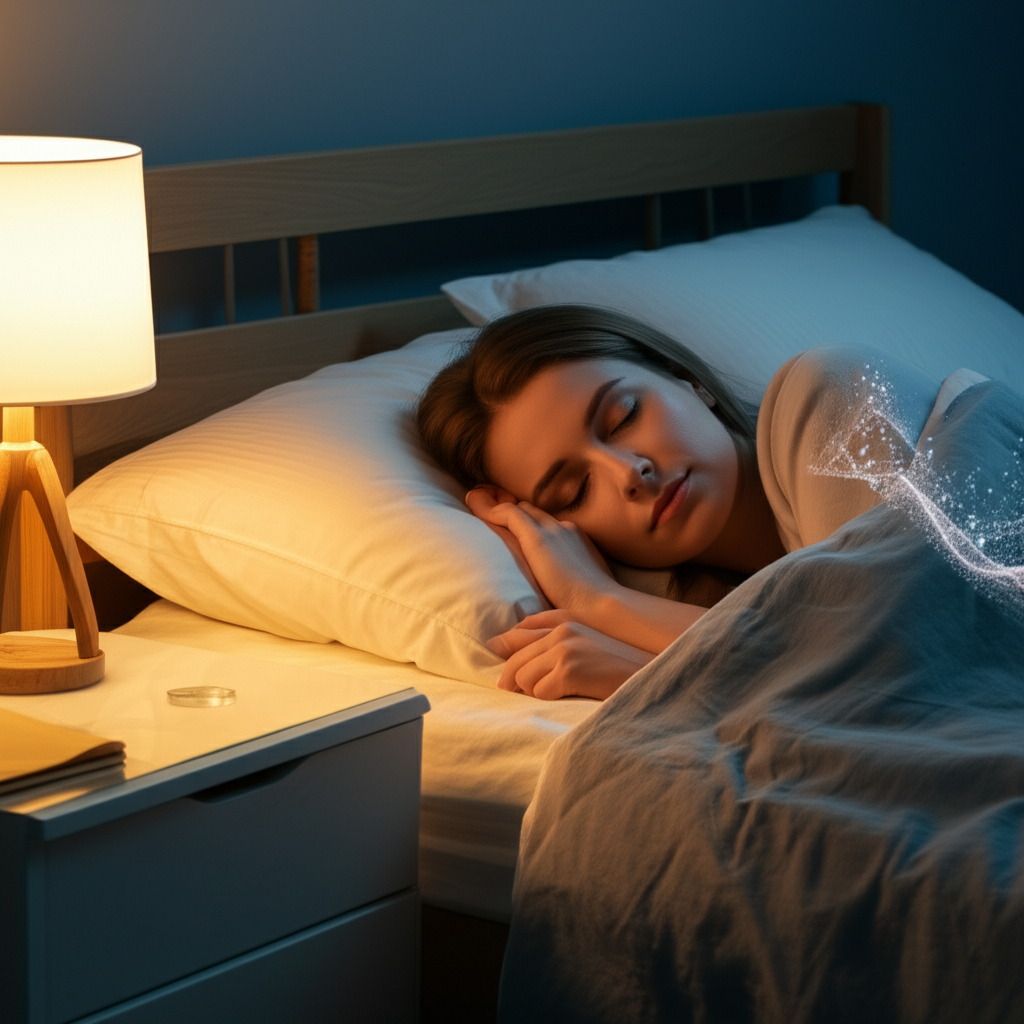
To truly grasp why sleep is so vital, it helps to understand what happens when we close our eyes. Our brain, rather than shutting down, cycles through distinct stages of non-rapid eye movement (NREM) and rapid eye movement (REM) sleep. During NREM, our body repairs tissues, builds bone and muscle, and strengthens the immune system. In REM sleep, our brain is highly active, consolidating memories, processing emotions, and clearing out metabolic waste products that accumulate during wakefulness. This intricate dance of repair and reorganization is non-negotiable for sustained health.
Physical Health Benefits: Protecting Your Body’s Fortress
The impact of sufficient sleep on our physical health is nothing short of extraordinary. It acts as a powerful preventative medicine, bolstering our defenses and optimizing our bodily functions.
Boosts Immune System: Sleep is a powerhouse for your immune system. During sleep, your body produces and releases proteins called cytokines, which are crucial for fighting infection and inflammation. When you’re sleep-deprived, your body produces fewer of these protective cytokines, making you more susceptible to illnesses like the common cold, flu, and even more serious infections.
Maintains Heart Health: A lack of sleep can significantly impact cardiovascular health. Chronic sleep deprivation has been linked to an increased risk of high blood pressure, elevated cholesterol levels, and inflammation – all major risk factors for heart disease and stroke. Adequate sleep allows your blood pressure to regulate and your heart to rest, reducing strain on your cardiovascular system.
Regulates Weight and Metabolism: Sleep plays a pivotal role in regulating the hormones ghrelin and leptin, which control feelings of hunger and fullness. When you don’t get enough sleep, ghrelin (the hunger-promoting hormone) increases, while leptin (the satiety hormone) decreases, often leading to increased appetite and cravings for high-calorie foods. Furthermore, sleep deprivation can impact insulin sensitivity, raising the risk of type 2 diabetes.
Aids Physical Repair and Recovery: For athletes and anyone leading an active lifestyle, sleep is the ultimate recovery tool. It’s during sleep that muscles repair themselves, growth hormone is released to aid tissue regeneration, and energy stores are replenished. Without sufficient rest, physical recovery is compromised, leading to increased injury risk and decreased performance.
Mental and Emotional Well-being: Why Sleep is Your Secret Weapon
Beyond the physical, sleep profoundly influences our cognitive abilities, emotional resilience, and overall mental health.
Enhances Cognitive Function: A well-rested brain is a sharp brain. Sleep is crucial for memory consolidation, allowing your brain to process and store new information learned during the day. It also significantly impacts concentration, problem-solving skills, creativity, and decision-making. Thinking clearly, learning effectively, and being innovative all depend on adequate sleep quality and duration.
Improves Mood and Reduces Stress: There’s a strong undeniable link between sleep and mood. Chronic sleep deprivation can lead to irritability, mood swings, increased stress levels, and even contribute to the development or exacerbation of anxiety and depression. Sleep allows your brain to process emotions and regulate stress hormones, promoting a more stable and positive emotional state.
Boosts Productivity and Performance: When you’re well-rested, you’re naturally more focused, efficient, and productive. Whether at work, school, or in daily tasks, the clarity and energy derived from good sleep directly translate into better performance and fewer errors.
Long-Term Health Implications of Sleep Deprivation
Ignoring sleep’s vital role has significant long-term consequences. Chronic sleep deprivation isn’t just about feeling tired; it’s a serious public health concern linked to an increased risk of obesity, diabetes, cardiovascular disease, hypertension, and even certain cancers. It can also impair judgment, slow reaction times, and increase the risk of accidents.
How to Prioritize Sleep: Practical Steps
Given its critical importance, making sleep a priority is an investment in your entire being. Here are some actionable tips:
Stick to a Schedule: Go to bed and wake up at roughly the same time every day, even on weekends, to regulate your body’s natural sleep-wake cycle (circadian rhythm).
Create a Sleep-Friendly Environment: Ensure your bedroom is dark, quiet, cool, and comfortable.
Limit Stimulants: Avoid caffeine and alcohol, especially in the hours leading up to bedtime.
Establish a Relaxing Bedtime Routine: Signal to your body that it’s time to wind down with activities like reading, taking a warm bath, or meditating.
Manage Screen Time: The blue light emitted by electronic devices can interfere with melatonin production. Try to dim screens or use blue light filters in the evening, and consider putting devices away an hour before bed.
* Incorporate Physical Activity: Regular exercise can improve sleep quality, but avoid intense workouts too close to bedtime.
Conclusion
The question of why sleep is essential isn’t complex; the answers are abundant and profound. Sleep is not a passive state but an active, indispensable process vital for every aspect of our health – physical, mental, and emotional. It rebuilds, restores, and rejuvenates, enabling us to function at our best, enjoy life more fully, and ward off illness. Recognizing its power transforms sleep from a mere habit into a conscious and deeply beneficial practice. Make the commitment to prioritize your sleep, and you’ll discover it’s one of the most impactful investments you can make in your overall health and longevity.
0 Comments