- How Cells Send and Receive Messages
- Direct Contact: Gap Junctions and Plasmodesmata
- Chemical Messengers: Hormones, Neurotransmitters, and Cytokines
- The Intricate Dance of Signal Transduction
- Receptor Binding: The Lock and Key Mechanism
- Relay Molecules: Amplifying the Signal
- Cellular Response: What Happens Next
- How Different Systems Leverage Communication
- The Nervous System: Lightning-Fast Communication
- The Endocrine System: Widespread and Sustained Effects
- The Immune System: Coordinated Defense
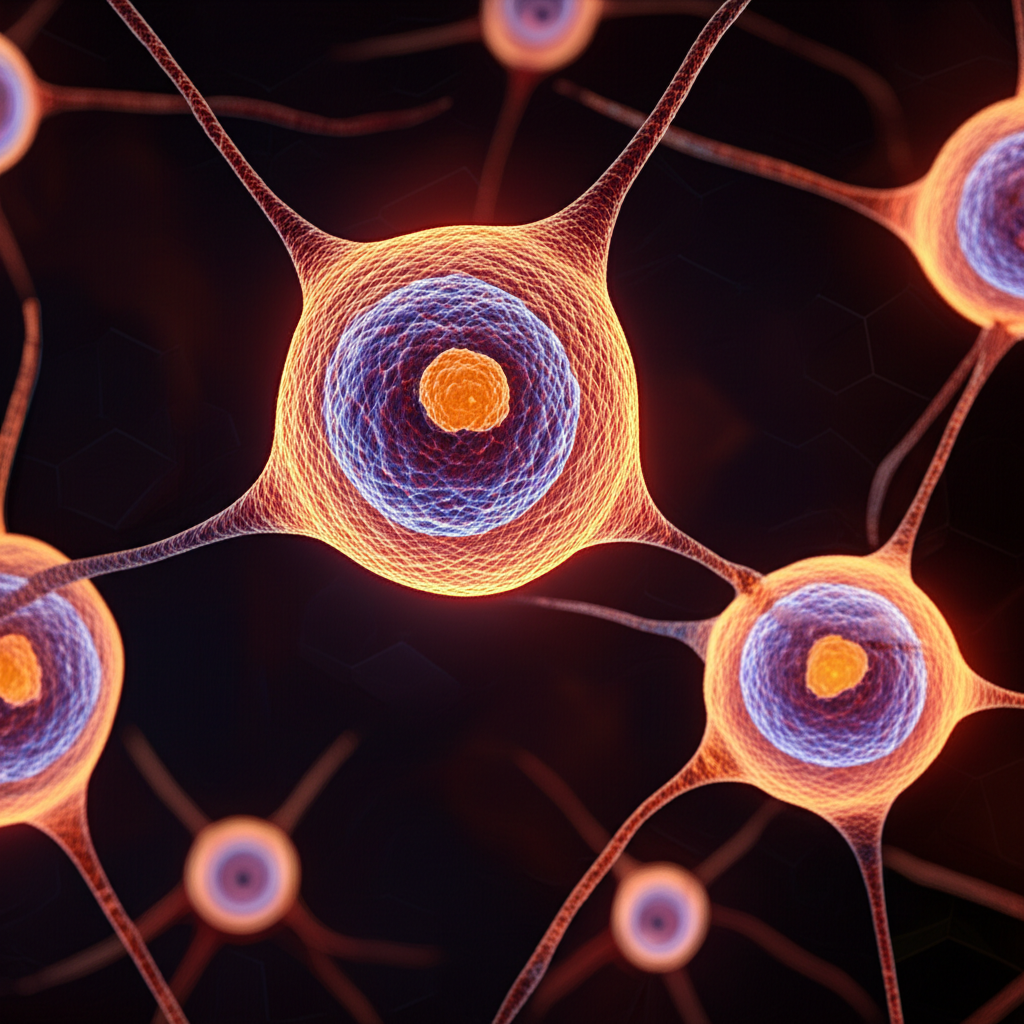
How brilliant cells communicate effortlessly within our bodies is a masterclass in biological sophistication, a silent symphony playing out moment by moment to sustain life. From the simplest bacterium to the most complex human, cellular communication is the bedrock of existence, ensuring that individual cells coordinate their actions, respond to environmental cues, and maintain the delicate balance required for survival. Without this ceaseless chatter, our tissues wouldn’t form, our organs wouldn’t function, and our very bodies would cease to be cooperative entities. It’s a system so intricate, yet so efficient, that it often goes unnoticed, working tirelessly in the background of our everyday lives.
At its core, cellular communication is about information exchange. Cells need to know crucial details: when to grow, when to divide, when to differentiate into specialized types, when to release hormones, or when to trigger an immune response. This constant feedback loop allows multicellular organisms to develop from a single fertilized egg into highly organized beings, repair damaged tissues, fight off infections, and adapt to changing conditions. The methods employed for this communication are diverse, ranging from direct physical contact to the release of sophisticated chemical messengers traveling vast physiological distances.
How Cells Send and Receive Messages
The mechanisms by which cells communicate are varied and highly specialized, tailored to the specific needs of different tissues and organs.
Direct Contact: Gap Junctions and Plasmodesmata
Sometimes, cells need to communicate directly, sharing resources and signals with their immediate neighbors. In animal cells, this is achieved through gap junctions, tiny protein channels that connect the cytoplasm of adjacent cells. These junctions allow for the rapid passage of small molecules, ions, and electrical signals, fostering synchronized activity, such as the coordinated contraction of heart muscle cells. Plant cells employ a similar strategy with plasmodesmata, microscopic channels that traverse the cell walls, connecting the protoplasts of adjacent cells and facilitating the transport of water, nutrients, and signaling molecules.
Chemical Messengers: Hormones, Neurotransmitters, and Cytokines
The most common and versatile form of cellular communication involves chemical messengers, which can travel short distances or span the entire body.
Paracrine Signaling: This form of local signaling involves cells releasing chemical molecules that act on nearby target cells. For example, growth factors released by a cell might stimulate proliferation in adjacent cells, crucial for wound healing and tissue repair.
Synaptic Signaling: A specialized form of paracrine signaling, this is characteristic of the nervous system. Neurons release neurotransmitters into a synaptic cleft, a tiny space between the sending and receiving neuron. These neurotransmitters rapidly diffuse across the cleft to bind to receptors on the target neuron, triggering a specific response.
Endocrine Signaling: For long-distance communication, the body relies on the endocrine system. Specialized cells release hormones into the bloodstream, which then carry these chemical signals to target cells throughout the body. Insulin, for instance, travels from the pancreas to muscle and liver cells, instructing them to absorb glucose.
Autocrine Signaling: In some cases, a cell might release a chemical messenger that then binds to receptors on its own surface, affecting the very cell that produced it. This is often seen in immune responses and cancer cell proliferation.
The Intricate Dance of Signal Transduction
Once a chemical messenger arrives at a target cell, the real magic begins: signal transduction. This is the process by which a cell converts an extracellular signal into an intracellular response.
Receptor Binding: The Lock and Key Mechanism
The first step in signal transduction is the binding of the messenger molecule (ligand) to a specific receptor protein on or within the target cell. This interaction is highly specific, much like a lock and key, ensuring that only the correct signal elicits a response. Receptors can be located on the cell surface (for most water-soluble molecules) or inside the cell (for lipid-soluble hormones that can pass through the cell membrane).
Relay Molecules: Amplifying the Signal
Upon ligand binding, the receptor undergoes a conformational change, activating a series of intracellular relay molecules. These relay molecules often form a cascade, with each activated molecule activating the next in line. This cascade serves several critical functions: it amplifies the initial signal, allowing a small number of ligand molecules to elicit a substantial cellular response; it allows for integration of multiple signals; and it provides opportunities for regulation and fine-tuning. Common relay molecules include G proteins, protein kinases, and second messengers like cAMP and calcium ions.
Cellular Response: What Happens Next
The ultimate outcome of signal transduction is a specific cellular response. This response can manifest in various ways: changes in gene expression (e.g., turning on or off specific genes), alteration of protein activity (e.g., activating or deactivating an enzyme), changes in cell shape or movement, initiation of cell division, or even programmed cell death (apoptosis). The specificity of the response depends on the type of receptor, the particular relay molecules involved, and the unique protein machinery present in the responding cell.
How Different Systems Leverage Communication
The elegance of cellular communication is best observed in the sophisticated systems it underpins.
The Nervous System: Lightning-Fast Communication
The nervous system exemplifies rapid, precise cell-to-cell communication. Through neurons and their intricate networks, electrical signals (action potentials) are transmitted along nerve fibers. When an electrical signal reaches the end of a neuron, it triggers the release of neurotransmitters, which quickly diffuse across the synapse to activate receptors on the next neuron or target cell. This allows for instantaneous responses, from reflex actions to complex thought processes.
The Endocrine System: Widespread and Sustained Effects
In contrast to the nervous system’s rapid, localized signaling, the endocrine system uses hormones for slower, more widespread, and often more sustained communication. Hormones travel through the bloodstream, reaching virtually every cell in the body. Only cells with specific receptors for a particular hormone will respond, allowing for highly targeted effects even with a broad distribution. This system regulates long-term processes like metabolism, growth, development, and reproduction.
The Immune System: Coordinated Defense
The immune system relies heavily on cellular communication to mount an effective defense against pathogens. Immune cells, such as T cells and B cells, communicate through direct contact and the release of cytokines (a type of paracrine signal). This intricate dialogue allows immune cells to recognize invaders, coordinate their attack, recruit other immune cells to the site of infection, and remember past encounters to provide faster responses in the future.
In conclusion, the effortless communication among brilliant cells is a fundamental marvel of biology, a testament to evolution’s genius. From simple molecular exchanges to complex signal transduction pathways, this constant dialogue ensures the harmony and functionality of every living organism. Understanding these mechanisms not only reveals the intricate beauty of life but also provides crucial insights into diseases, offering pathways for therapeutic interventions that can restore balance when this vital conversation falters.
0 Comments