
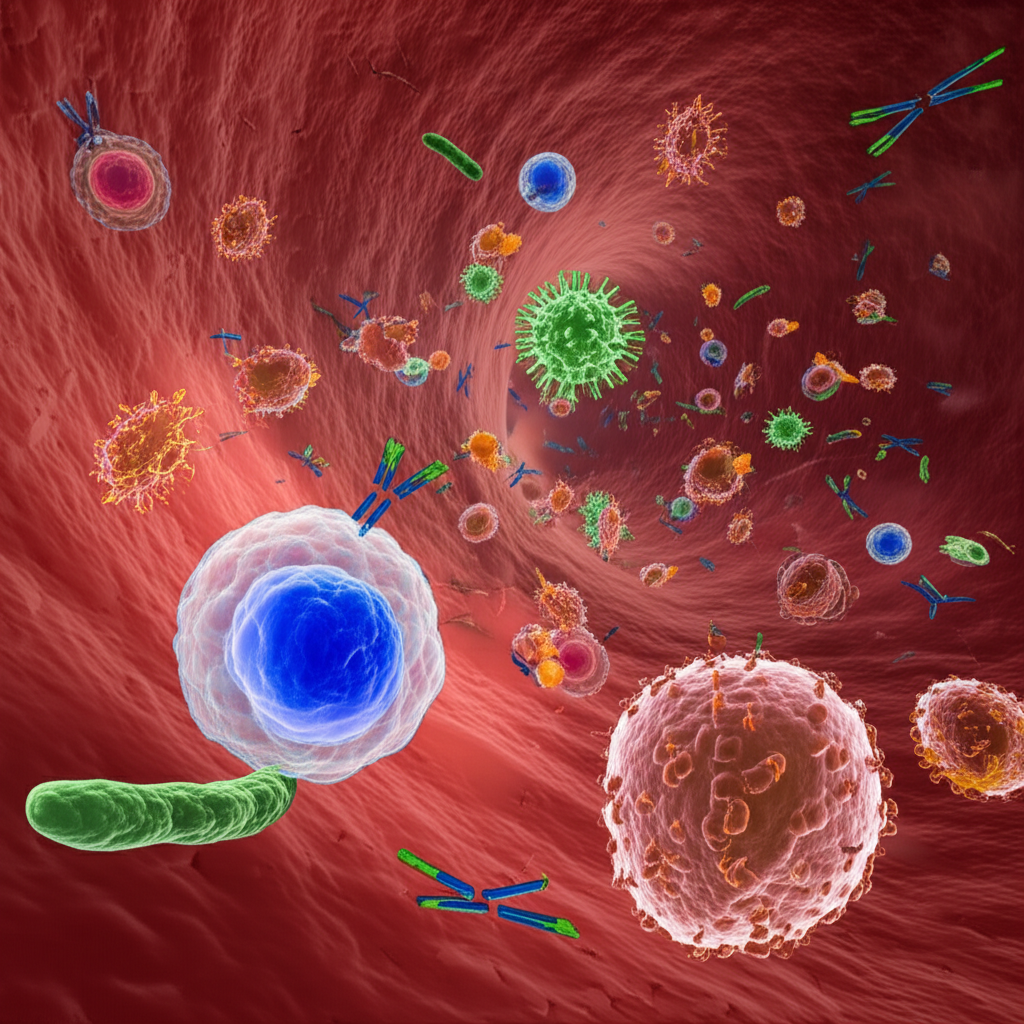
How our immune system stands as the body’s quintessential fortress, a complex, dynamic network tirelessly working to defend us against an onslaught of pathogens and threats. Far more than just a simple shield, it’s a sophisticated guardian, capable of identifying, neutralizing, and remembering millions of different invaders, providing us with a protection system unparalleled in its effectiveness and adaptability. Understanding this intricate biological marvel reveals the incredible mechanisms that keep us healthy and resilient day in and day out.
The Ever-Vigilant Sentinel: What is the Immune System?
At its core, the immune system is a vast collection of cells, tissues, organs, and proteins that work in concert to protect the body. It’s not localized to one specific area but rather integrated throughout, monitoring every nook and cranny for signs of trouble. From the bone marrow, where immune cells are born, to the lymph nodes, spleen, and thymus, where they mature and congregate, this elaborate defense force is always on alert. Its primary mission is to differentiate between “self” (your body’s own healthy cells) and “non-self” (foreign invaders like bacteria, viruses, fungi, parasites, or even abnormal cells like cancer cells).
How the Immune System Orchestrates Its Defenses
The body’s defense strategy is multi-layered, beginning with general, immediate responses and escalating to highly specific, targeted attacks. These layers are broadly categorized into innate and adaptive immunity.
The Innate Immune System: The First Line of Defense
Imagine an alarm system and a general response team. That’s your innate immune system. This is the body’s immediate, non-specific defense mechanism, present from birth. It acts as the first barrier, designed to repel or incapacitate most common threats quickly.
Physical Barriers: Your skin, mucous membranes lining your respiratory and digestive tracts, and the hair-like cilia in your airways act as formidable physical defenses, preventing many pathogens from even entering the body.
Chemical Barriers: Secretions like tears, saliva, stomach acid, and mucus contain enzymes and antimicrobial peptides that kill or disarm invaders.
Cellular Responses: If pathogens breach these initial barriers, various immune cells launch an immediate attack.
Phagocytes: Cells like macrophages and neutrophils literally “eat” invaders, engulfing and destroying them.
Natural Killer (NK) Cells: These cells identify and destroy infected or cancerous cells by inducing programmed cell death (apoptosis).
Inflammation: A localized response (redness, swelling, heat, pain) that brings more immune cells and blood flow to an infected or injured area, trapping pathogens and initiating repair.
The innate immune system is crucial for rapid initial control, buying time for the more specialized adaptive responses to kick in.
How Adaptive Immunity Delivers Targeted Protection
While innate immunity offers broad protection, adaptive (or acquired) immunity is the special forces unit. It’s slower to activate initially but incredibly precise and possesses a remarkable ability to remember past encounters. This memory is key to providing lasting immunity. The main players here are lymphocytes: T cells and B cells.
B Cells: When B cells encounter a specific pathogen (or antigens, their unique identifiers), they mature into plasma cells and produce antibodies. Antibodies are Y-shaped proteins that are highly specific to a particular antigen. They can neutralize pathogens directly, tag them for destruction by other immune cells, or prevent them from infecting healthy cells.
T Cells: There are several types of T cells, each with distinct roles:
Helper T Cells (CD4+): These act as the orchestrators of the immune response, helping to activate B cells and other T cells.
Cytotoxic T Cells (CD8+): These are the “killer” cells. They directly identify and destroy cells infected with viruses or cancerous cells, much like NK cells but with much greater specificity.
Regulatory T Cells: These cells help to suppress the immune response once the threat is cleared, preventing damage to healthy tissues.
A hallmark of adaptive immunity is immunological memory. Once an adaptive immune response has been mounted against a specific pathogen, specialized “memory” B and T cells remain in circulation. If the same pathogen is encountered again, these memory cells can rapidly unleash a much stronger and faster response, often preventing you from even realizing you’ve been exposed, or at least significantly reducing the severity of the illness. This is the principle behind vaccination.
The Best Protection: Why Your Immune System Is Unmatched
The immune system’s ability to provide vital, best protection stems from several unique attributes:
1. Immense Diversity: It can recognize and respond to an incredibly vast array of pathogens, many of which don’t even exist yet. The genetic recombination mechanisms that create B and T cell receptors ensure a nearly infinite capacity to recognize novel threats.
2. Specificity: Adaptive immunity targets pathogens with extreme precision, minimizing collateral damage to healthy tissues.
3. Self-Tolerance: It usually distinguishes between “self” and “non-self,” preventing it from attacking the body’s own cells and tissues (though autoimmune diseases occur when this mechanism fails).
4. Memory: Its capacity to remember past invaders provides long-lasting, often lifelong, immunity, making subsequent encounters harmless or significantly milder.
5. Constant Surveillance: Immune cells are constantly patrolling the body, ready to detect and respond to threats as soon as they appear.
How to Support Your Immune System’s Best Protection
While our immune system is remarkably robust, its effectiveness can be influenced by our lifestyle choices. Supporting its function is crucial for maintaining optimal health.
Balanced Nutrition: A diet rich in fruits, vegetables, whole grains, and lean proteins provides essential vitamins, minerals, and antioxidants (like Vitamin C, Vitamin D, Zinc, Selenium) needed for immune cell function.
Adequate Sleep: During sleep, the body produces critical immune proteins called cytokines. Chronic sleep deprivation can suppress immune function. Aim for 7-9 hours per night.
Regular Physical Activity: Moderate exercise can boost immune cells and reduce inflammation. However, excessive, intense exercise without proper recovery can temporarily suppress it.
Stress Management: Chronic stress releases hormones that can weaken the immune system. Practices like meditation, yoga, spending time in nature, or hobbies can help mitigate stress.
Hydration: Water helps carry nutrients to cells, flush out toxins, and keeps mucous membranes healthy.
Vaccinations: Vaccines safely expose the immune system to weakened or inactive forms of pathogens, allowing it to build memory without causing illness, thereby providing proactive protection.
Good Hygiene: Simple practices like handwashing help reduce the load of pathogens your immune system has to deal with.
In conclusion, the human immune system is a masterpiece of biological engineering, tirelessly providing vital, high-quality protection against a world full of threats. Its intricate dance between innate and adaptive responses, its precision, and its memory are what make it the best defense mechanism we possess. By understanding how it works and actively supporting its functions through healthy living, we empower our body’s innate ability to keep us safe, healthy, and thriving.
0 Comments