
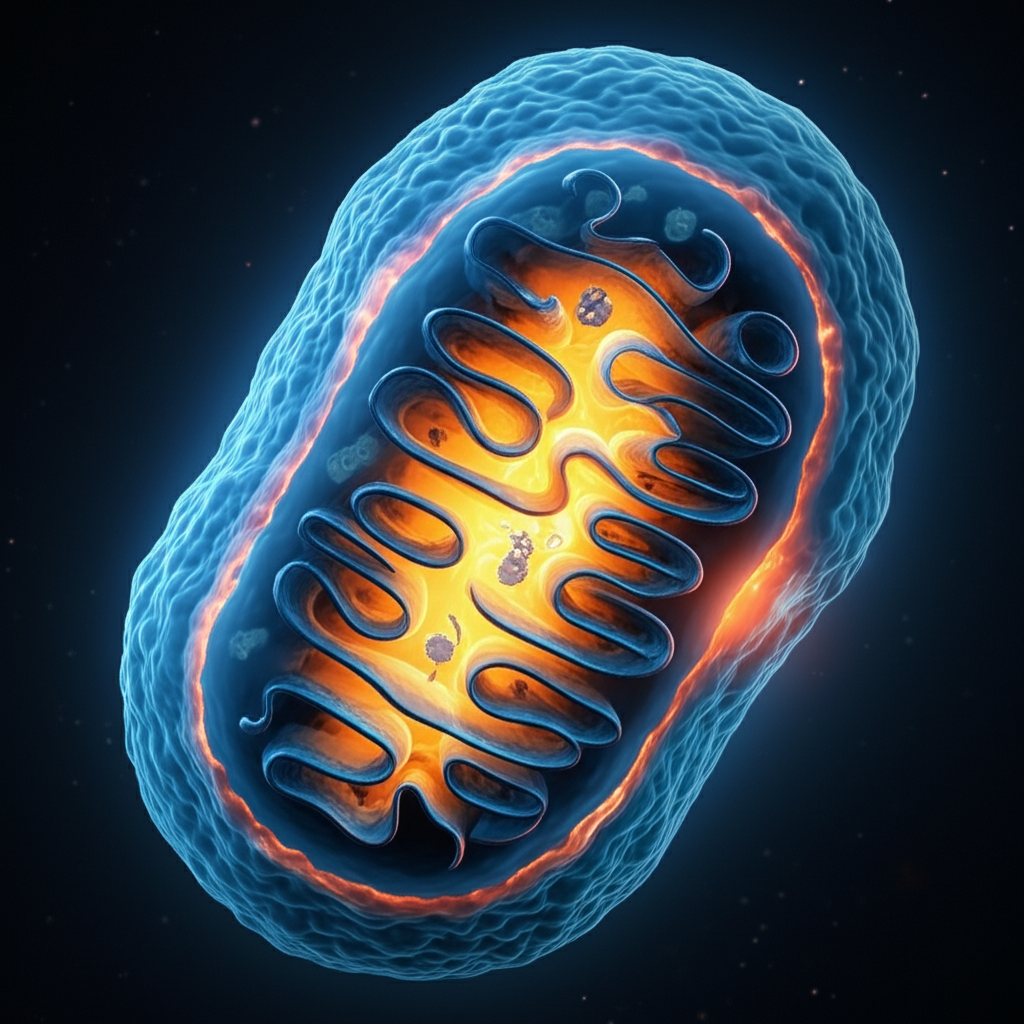
The Stunning Truth: Mitochondria’s Secret Life Revealed
The mitochondria, often revered as “the powerhouses of the cell,” are undeniably crucial for life, tirelessly generating the ATP that fuels virtually every biological process. However, to confine their role solely to energy production is to overlook a far more intricate and fascinating reality. These microscopic organelles possess a secret life, a complex world of dynamic activity, intricate signaling, and profound influence that extends far beyond merely keeping the lights on. Recent scientific discoveries have begun to peel back the layers of this mystery, revealing a stunning truth about their diverse functions and their pivotal role in health, disease, and aging.
Beyond the Powerhouse: A Multitasking Organelle
While ATP production remains their primary and most recognized duty, mitochondria are, in fact, master multitaskers. Their strategic location within the cell, coupled with their unique biochemical toolkit, equips them for a multitude of critical functions. They are deeply involved in crucial metabolic pathways beyond respiration, such as the synthesis of specific amino acids, lipids, and heme, a vital component of hemoglobin.
One of their most significant “secret” roles lies in calcium signaling. Mitochondria act as dynamic buffer zones, absorbing and releasing calcium ions within the cell. This precise regulation of intracellular calcium is fundamental for a vast array of cellular processes, from muscle contraction and neurotransmitter release to gene expression and cell division. Any disruption in this delicate balance can have widespread cellular consequences.
Mitochondria are also central to cellular survival and demise, acting as critical regulators of programmed cell death, or apoptosis. When a cell is significantly damaged or becomes cancerous, mitochondrial signals can trigger a cascade of events leading to its controlled self-destruction, preventing harm to the organism. This role highlights their importance in maintaining tissue homeostasis and preventing disease.
The Dynamic Duo: Fusion, Fission, and Quality Control
Unlike static organelles, mitochondria are incredibly dynamic, constantly undergoing shape changes and positional shifts through processes known as fusion and fission. Mitochondrial fusion involves two mitochondria merging into a larger, more interconnected network, allowing for the sharing of contents, metabolites, and genetic material. This process is crucial for maintaining mitochondrial health and function, especially under stress, by complementing damaged components.
Conversely, mitochondrial fission is the division of a single mitochondrion into two or more smaller units. This process is vital for various reasons: enabling mitochondria to be transported to different cellular locations where energy is needed, removing damaged mitochondrial fragments for degradation, and facilitating cell division. The delicate balance between fusion and fission is essential for mitochondrial quality control. When this balance is disrupted, for example, too much fission leading to fragmented, inefficient mitochondria, it can contribute to cellular dysfunction and a host of pathologies.
Unraveling The Genetic Mystery: Mitochondrial DNA
Another remarkable aspect of mitochondria is their possession of their own distinct genetic material: mitochondrial DNA (mtDNA). Unlike the vast majority of our DNA, which resides in the cell’s nucleus and is inherited from both parents, mtDNA is exclusively inherited from the mother. This smaller, circular chromosome contains only a handful of genes, primarily encoding components necessary for the electron transport chain, the final stage of ATP production.
The unique inheritance pattern of mtDNA makes it an invaluable tool for studying human evolution and tracing ancestry. Furthermore, mutations in mtDNA can have profound consequences, as they directly impact energy production in tissues with high energy demands, such as the brain, heart, and muscles. These mitochondrial DNA mutations are linked to a range of rare but debilitating mitochondrial diseases, which can manifest with diverse symptoms affecting multiple organ systems. Research into these genetic anomalies is shedding light on fundamental aspects of mitochondrial function and potential therapeutic interventions.
The Hidden Hand: Mitochondria in Health and Disease
Given their multifaceted roles, it’s perhaps unsurprising that mitochondrial dysfunction is increasingly recognized as a common thread in a vast array of seemingly unrelated diseases. Beyond the direct mitochondrial diseases caused by mtDNA mutations, impaired mitochondrial function is strongly implicated in chronic conditions such as:
Neurodegenerative Disorders: Alzheimer’s, Parkinson’s, and Huntington’s diseases all show evidence of mitochondrial defects, including oxidative stress, energy deficits, and abnormal mitochondrial dynamics, contributing to neuronal damage and death.
Metabolic Syndrome and Type 2 Diabetes: Inefficient mitochondria can lead to an accumulation of fatty acids and impaired insulin signaling, contributing to insulin resistance and metabolic dysfunction.
Cardiovascular Disease: Mitochondrial dysfunction can impair heart muscle function, leading to conditions like heart failure and contributing to atherosclerosis.
Cancer: Cancer cells often exhibit altered mitochondrial metabolism, shifting towards different energy pathways to support rapid growth and proliferation.
Aging: A prevailing theory suggests that age-related decline is significantly driven by mitochondrial dysfunction, accumulating damage from reactive oxygen species and declining quality control mechanisms.
Unlocking the Potential: Therapeutic Avenues
Understanding the “secret life” of mitochondria opens up exciting new frontiers for therapeutic development. Targeting mitochondria offers a promising strategy for combating a wide range of diseases. Research is exploring several avenues, including:
Mitochondrial Biogenesis: Developing drugs or interventions that promote the growth of new, healthy mitochondria to replace damaged ones.
Mitochondrial Dynamics Modulation: Designing therapies that restore the balance between fusion and fission to improve mitochondrial quality control.
Antioxidant Strategies: Developing targeted antioxidants that specifically reach and neutralize reactive oxygen species within mitochondria, protecting them from damage.
Gene Therapy: For specific mitochondrial diseases caused by genetic mutations, advancements in gene editing technologies hold promise for correcting the underlying defects.
Mitochondrial Transfer: Investigating the possibility of transplanting healthy mitochondria into diseased cells as a direct therapeutic approach.
The stunning truth about mitochondria is that they are far more than mere energy factories; they are sophisticated cellular conductors, orchestrating crucial processes that govern life, death, health, and disease. As scientists continue to unravel their intricate secrets, the potential for harnessing the power of these tiny organelles to transform human health and extend healthy lifespans becomes increasingly clear.
0 Comments