
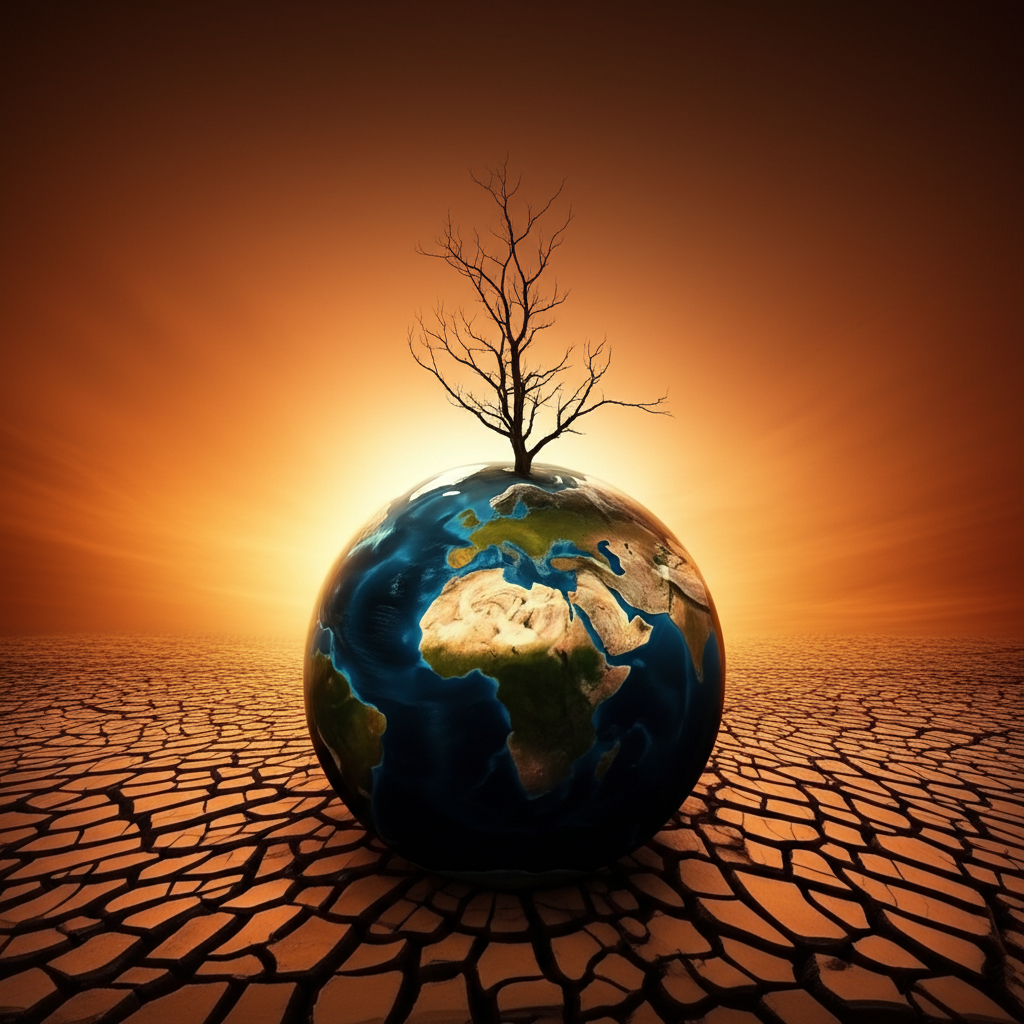
Global Warming: Alarming Truths Exposed
The escalating crisis of global warming is no longer a distant threat; it is an immediate reality profoundly reshaping our planet and challenging humanity’s future. For decades, scientists have issued stark warnings, and now, the undeniable evidence is front and center, revealing a truth more alarming than many could have imagined. From melting glaciers to intensified superstorms, the fingerprints of a changing climate are indelible, demanding our urgent attention and concerted action.
The Science Behind the Warming
At its core, global warming is driven by the greenhouse effect, a natural process essential for life on Earth. However, human activities have dramatically amplified this effect. The combustion of fossil fuels (coal, oil, and natural gas) for energy, industrial processes, and transportation releases vast quantities of greenhouse gases, primarily carbon dioxide (CO2), into the atmosphere. Deforestation exacerbates the problem, as trees absorb CO2, and their destruction reduces Earth’s natural capacity to regulate these gases. Methane (CH4) from agriculture and landfills, and nitrous oxide (N2O) from industrial and agricultural activities, also contribute significantly. These gases trap heat, leading to a steady, often accelerating, increase in global average temperatures.
The Visible Impacts: A World Under Stress
The undeniable impact of rising temperatures is manifest across every continent and ocean, pushing ecosystems and human societies to their limits.
Rising Temperatures and Extreme Weather Events
One of the most immediate and perceptible consequences is the increase in global average temperatures. 2023 was officially the hottest year on record, a trend that continues into 2024. This ambient warming fuels more frequent and intense heatwaves, posing severe health risks, particularly for vulnerable populations. Beyond just heat, the increased energy in the climate system translates into more extreme weather events. We are witnessing fiercer storms, heavier rainfall leading to devastating floods, prolonged droughts that decimate crops and strain water resources, and an uptick in intense wildfires across regions previously unaffected. The monsoon seasons are becoming more erratic, and hurricane intensities are increasing, causing unprecedented damage and displacement.
Melting Ice and Rising Sea Levels
The planet’s cryosphere – its frozen regions – is undergoing rapid transformation. Arctic sea ice is diminishing at an alarming rate, impacting polar ecosystems and potentially disrupting global weather patterns. Glaciers worldwide are retreating, contributing to freshwater shortages in many regions. Greenland and Antarctic ice sheets are melting at an accelerating pace, pouring massive amounts of water into the oceans. This glacial melt, combined with thermal expansion (as water warms, it expands), is causing sea levels to rise. Coastal communities, low-lying islands, and major cities face increasing threats of inundation, erosion, and saltwater intrusion into freshwater supplies, forcing migrations and reshaping coastlines.
Threats to Biodiversity and Ecosystems
Global warming is a major driver of biodiversity loss. Species struggle to adapt to rapid environmental shifts, leading to habitat destruction, altered migratory patterns, and increased extinction rates. Coral reefs, vital marine ecosystems, are particularly vulnerable; rising ocean temperatures and ocean acidification (the absorption of excess CO2 by seawater) cause coral bleaching and degrade these underwater rainforests. Forests succumb to heat, drought, and pest outbreaks; wetlands shrink; and a delicate balance maintained over millennia is unraveling, threatening the very foundations of the planet’s life support systems.
The Human Cost: Health, Economy, and Displacement
The human dimension of the climate crisis is equally profound. Its impacts ripple through public health systems, economies, and social structures. Heat stress exacerbates cardiovascular and respiratory diseases. Changes in rainfall patterns can expand the range of vector-borne diseases like malaria and dengue fever. Food security is jeopardized by droughts and floods, leading to malnutrition and price volatility. Infrastructure is damaged by extreme weather, requiring colossal rebuilding efforts and diverting resources. Climate change also acts as a “threat multiplier,” exacerbating existing social inequalities, fueling resource conflicts, and creating millions of environmental refugees as people are displaced from their homes by uninhabitable conditions.
The Urgency of Action: What Can Be Done?
The path forward requires immediate and decisive action on multiple fronts, integrating technological innovation with policy shifts and individual responsibility.
Transitioning to Renewable Energy
The most critical step is a rapid global transition away from fossil fuels to renewable energy sources like solar, wind, hydropower, and geothermal. This involves investing heavily in renewable infrastructure, incentivizing green technologies, and phasing out industries dependent on high carbon emissions. Energy efficiency initiatives in homes, transport, and industry are equally vital to reduce overall demand.
Sustainable Practices and Conservation
Protecting and restoring natural ecosystems is a powerful solution. Reforestation and afforestation efforts help absorb CO2. Sustainable agricultural practices can reduce methane and nitrous oxide emissions while improving soil health and food security. Promoting circular economies, reducing waste, and embracing responsible consumption patterns also contribute significantly to lowering our collective environmental footprint.
Policy and International Cooperation
Governments play a pivotal role through robust climate policies, carbon pricing mechanisms, and regulations that promote sustainable development. International cooperation, such as adherence to the Paris Agreement, is essential for coordinated global efforts to reduce emissions and support vulnerable nations in adapting to climate impacts. Research and development into new climate solutions and accurate climate modeling must also be prioritized.
In conclusion, the alarming truths of global warming are no longer abstract predictions but tangible realities impacting every facet of our world. The scientific consensus is clear, the evidence is overwhelming, and the consequences are dire. While the scale of the challenge can seem daunting, the power to mitigate its worst effects still lies within our collective grasp. By understanding these truths and embracing a future driven by sustainability, innovation, and global collaboration, we can work towards securing a livable planet for generations to come. The time for decisive action is not tomorrow; it is now.
0 Comments