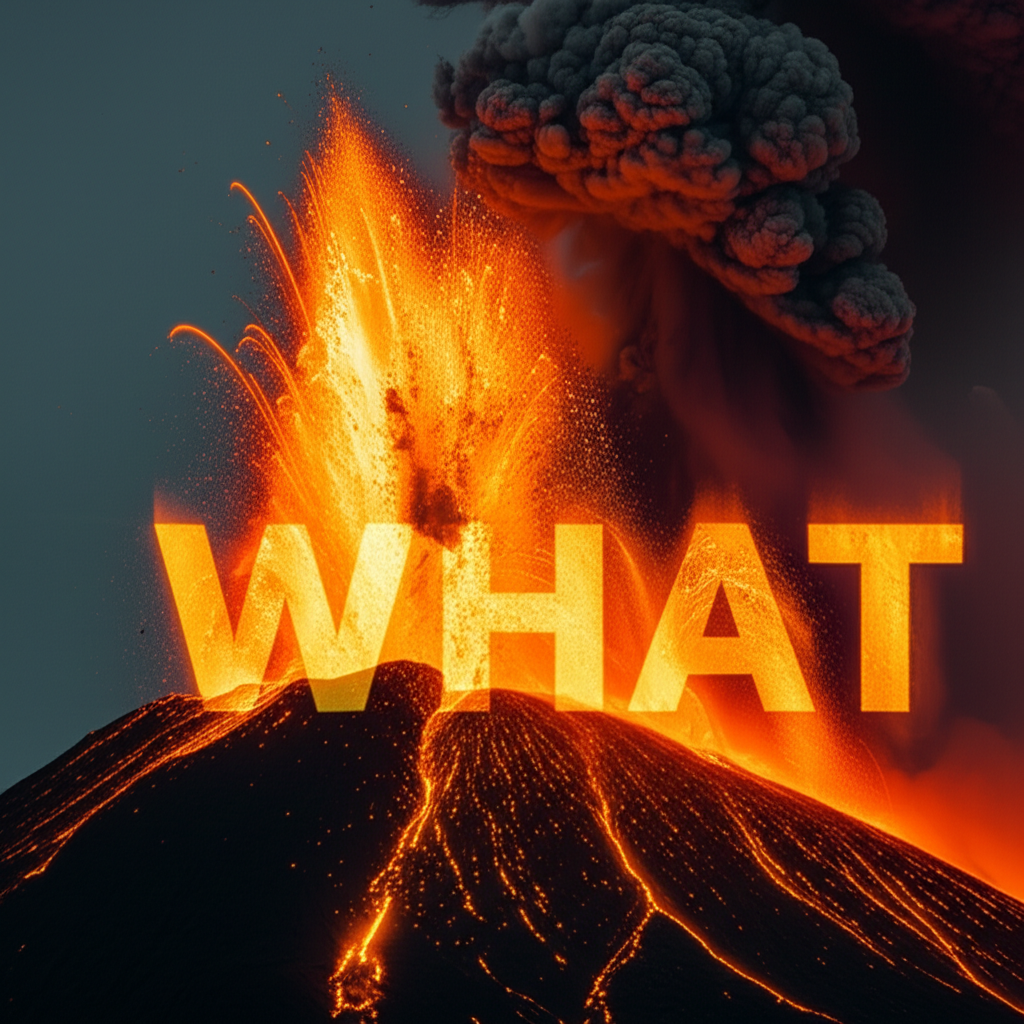
What triggers destructive volcano eruptions is a question that has fascinated humanity for millennia, inspiring both awe and terror. These geological titans, capable of unleashing incredible power, are not simply random bursts of energy. Instead, their catastrophic events are the culmination of complex geological processes, a delicate balance of pressure, gas, and structural integrity reaching a critical breaking point. Understanding these triggers is paramount for predicting and mitigating the devastating impact of these natural wonders.
At the heart of every volcanic eruption lies a magma chamber – a vast reservoir of molten rock, often miles beneath the Earth’s surface. This magma, born from the intense heat and pressure deep within our planet, slowly rises, driven by buoyancy. The primary force behind most volcanism is plate tectonics, where colossal crustal plates collide, pull apart, or slide past each other, creating zones where magma can form and ascend. But the mere presence of magma isn’t enough for a destructive eruption; it’s the build-up of immense pressure and the characteristics of the magma itself that dictate the eruption’s scale and ferocity.
The Pressure Cooker Unleashed: Magma Accumulation and Volatile Gases
The most fundamental trigger for any eruption is the accumulation of magma and, crucially, dissolved gases within the magma chamber. As magma rises, the confining pressure decreases, allowing dissolved gases like water vapor, carbon dioxide, and sulfur dioxide to come out of solution, forming bubbles. This process is similar to opening a carbonated drink – the sudden drop in pressure causes the dissolved gas to rapidly expand. In a volcano, this exsolving gas significantly increases the pressure within the chamber and its conduits.
The volume and type of these volatile gases are critical. Magma rich in these gases has a much higher potential for explosive eruptions. As more gas bubbles form and expand, they act like countless tiny engines, pushing the magma upward and outward with incredible force. If the pressure exceeds the strength of the overlying rock, an eruption becomes inevitable.
Beyond gas content, the magma’s viscosity plays a pivotal role in determining the destructiveness of an eruption.
Low-viscosity magma (runny, like basalt common in Hawaii) allows gases to escape relatively easily, leading to effusive eruptions with lava flows. While these can be destructive, they are generally less explosive.
High-viscosity magma (thick and sticky, like andesite or rhyolite, often found in stratovolcanoes like Mount St. Helens) traps gases far more effectively. This creates a highly pressurized system, where gas bubbles cannot escape easily. When the pressure finally overcomes the resistance, the release is often catastrophic, leading to highly explosive eruptions that can propel ash, rock, and gas miles into the atmosphere.
What Drives the Destructive Potential? Beyond Basic Pressure
While internal pressure from magma and gas is the primary driver, several additional factors can escalate the destructive potential of an eruption:
1. Conduit Blockage: Imagine a cork in a bottle. If the volcanic conduit, the pathway for magma to reach the surface, becomes blocked by solidified lava from a previous eruption or collapsing rock, the pressure behind it can build to extreme levels. When this blockage finally gives way, the eruption can be exceptionally violent, often resulting in massive lateral blasts or vertical columns of ash.
2. Interaction with External Water (Phreatomagmatic Eruptions): When superheated magma encounters groundwater, surface water, or even ice, the results can be incredibly explosive. The rapid heating of water to steam causes it to expand instantaneously, generating powerful steam explosions that pulverize surrounding rock and magma, creating fine ash and pyroclastic surges. This interaction can dramatically increase the destructive force.
3. Structural Weaknesses and Fault Systems: Volcanic regions are often riddled with faults and fractures from past geological activity. These weaknesses in the Earth’s crust can provide easier pathways for magma to ascend, but they can also influence the direction and stability of an eruption. Magma exploiting existing fault lines can cause ground deformation, flank collapses, and direct eruptions towards populated areas.
4. Ground Deformation and Seismicity: Before a major eruption, the rising magma often causes the ground above the magma chamber to swell and deform. This swelling can be monitored with advanced satellite technology (GPS, InSAR). Simultaneously, the movement of magma and fracturing of rock generates swarms of earthquakes. An increase in the frequency, magnitude, and depth of these seismic events, coupled with significant ground deformation, serves as critical indicators that an eruption, potentially a destructive one, is imminent.
The Tipping Point: A Confluence of Factors
It is rare for a destructive volcanic eruption to be triggered by a single phenomenon. More often, it is a complex interplay of several factors converging at a critical “tipping point.” For instance, a highly viscous, gas-rich magma might be relentlessly rising, causing the edifice of the volcano to swell and fracture. If this magma then encounters a blockage in its conduit while simultaneously interacting with groundwater, the potential for a catastrophic, explosive eruption dramatically increases. The precise timing and magnitude of such an event remain scientifically challenging to predict, given the deep and often unseen processes involved.
Monitoring and Mitigation: Our Best Defense
Volcanologists tirelessly monitor active volcanoes worldwide, using an array of sophisticated technologies to detect the subtle precursory signs of an eruption. Seismometers track earthquakes, GPS and tiltmeters measure ground deformation, gas sensors analyze changes in volcanic gas emissions, and satellite imagery monitors thermal anomalies and ash plumes.
By understanding what drives these powerful events – the relentless build-up of pressure from gas-rich magma, the viscosity of the molten rock, the presence of conduit blockages, and the interaction with water – scientists can better assess risk and provide timely warnings. While we can never prevent a volcano from erupting, continuous research and advanced monitoring allow us to unravel the mysteries of these geological giants, improving our ability to protect lives and livelihoods from their immense, destructive power.
0 Comments