
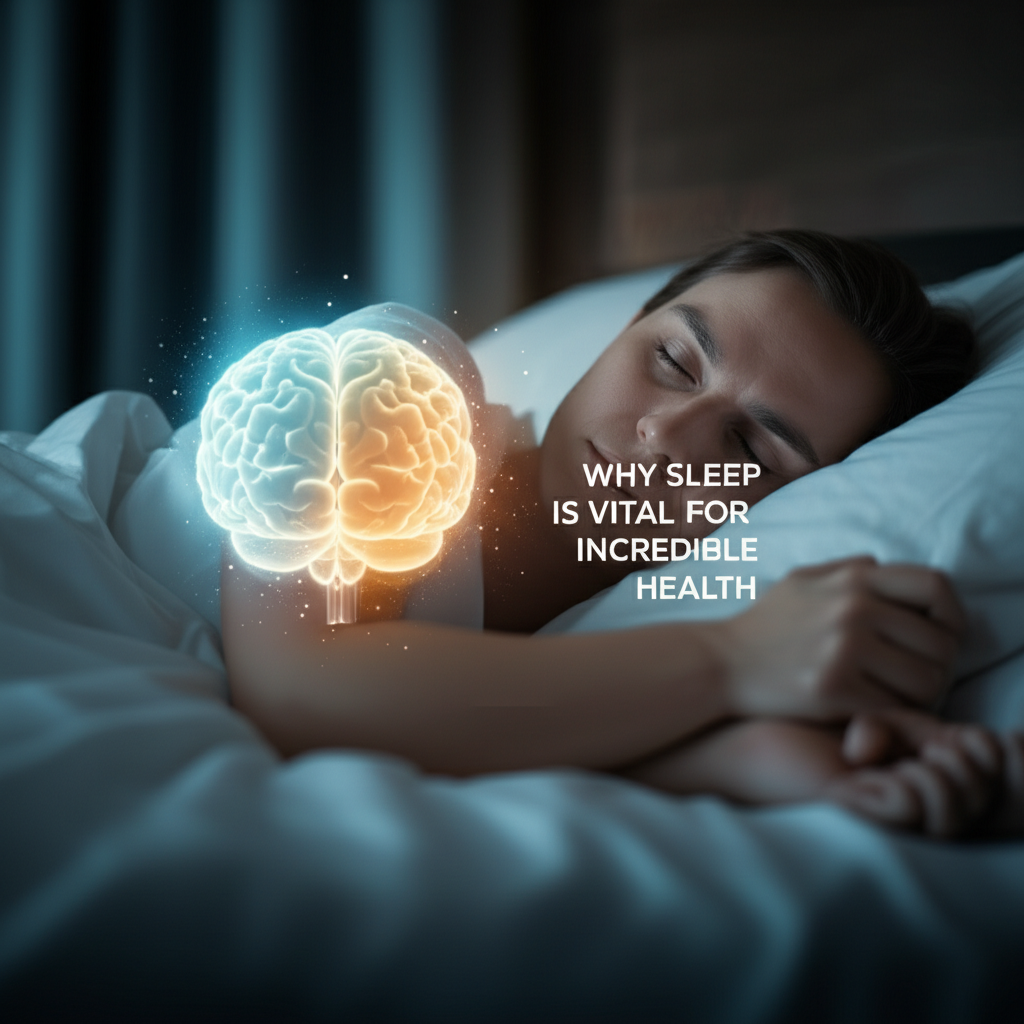
The Unseen Architect: How Sleep Builds Incredible Health
Why is sleep so often relegated to the realm of simple rest, a mere pause between the day’s demands? The truth, backed by a wealth of scientific research, is that sleep is far more than just downtime. It is a fundamental, non-negotiable pillar of incredible health, a nightly marvel that orchestrates a vast array of restorative and vital processes essential for our physical, mental, and emotional well-being. To view sleep as a luxury is to misunderstand its profound impact; it is, in fact, an active and complex state during which our bodies and minds work tirelessly to repair, consolidate, and prepare us for the day ahead.
More Than Rest: The Multifaceted Benefits of Quality Sleep
While we lie seemingly inactive, our systems are remarkably busy. Sleep offers a comprehensive recalibration for almost every part of our being, from the deepest cellular level to the most complex cognitive functions.
Why Your Brain Thrives on Sleep
The brain is arguably the greatest beneficiary of quality sleep. During these precious hours, it undergoes critical clean-up and consolidation processes:
Memory Consolidation: Sleep plays a crucial role in transforming short-term memories into long-term ones. Without adequate sleep, our ability to learn new information and retain it is significantly impaired.
Cognitive Function: From problem-solving and decision-making to creativity and focus, all cognitive faculties are sharpest after a good night’s sleep. Sleep deprivation, conversely, leads to “brain fog,” reduced reaction times, and difficulty concentrating.
Emotional Regulation: Sleep helps regulate our mood and emotional responses. Sufficient rest makes us more resilient to stress, happier, and allows us to process emotions effectively. Lack of sleep is strongly linked to increased irritability, anxiety, and a higher risk of mood disorders.
Waste Removal: During deep sleep, the brain’s glymphatic system kicks into high gear, flushing out metabolic waste products and toxins that accumulate during waking hours, including beta-amyloid, a protein associated with Alzheimer’s disease.
The Immune System’s Night Shift: Why Sleep is Non-Negotiable
Consider sleep as your immune system’s essential “recharge” period. While you slumber, your body produces and releases protective proteins called cytokines. These are crucial for fighting infection and inflammation, and responding to stress.
Disease Resistance: Studies show that people who consistently get enough sleep are less likely to fall ill after exposure to viruses, and recover faster when they do get sick.
Vaccination Efficacy: Scientific evidence suggests that adequate sleep before and after vaccination can enhance the body’s immune response, leading to greater antibody production.
Inflammation Control: Chronic sleep deprivation is correlated with increased systemic inflammation, a known risk factor for various chronic diseases, including heart disease and cancer.
Sleep’s Role in Physical Well-being and Metabolic Health
Beyond the brain and immune system, sleep fundamentally impacts our physical health, metabolism, and cardiovascular system.
Hormonal Harmony: Why Sleep Balances Your Body
Sleep is pivotal in regulating the delicate balance of hormones that control appetite, metabolism, and stress:
Appetite Regulation: Sleep influences the hormones ghrelin and leptin. Ghrelin signals hunger, while leptin signals fullness. When you’re sleep-deprived, ghrelin levels rise, and leptin levels fall, leading to increased appetite and cravings for high-carb, sugary foods – a key factor in weight gain.
Insulin Sensitivity: Lack of sleep can reduce your body’s sensitivity to insulin, the hormone that controls blood sugar levels. This can lead to higher blood sugar and an increased risk of type 2 diabetes.
Growth Hormone: During deep sleep, your body releases growth hormone, essential for tissue repair, muscle growth, and cellular regeneration.
Cortisol Levels: Sleep helps regulate cortisol, the stress hormone. Chronic sleep deprivation elevates cortisol, leading to increased stress, inflammation, and potential weight gain.
Cardiovascular Health: A Silent Protector
Getting sufficient sleep is a powerful preventative measure against cardiovascular disease. It helps:
Regulate Blood Pressure: Blood pressure naturally dips during sleep. Consistent poor sleep means your blood pressure stays elevated for longer periods, straining your heart.
Reduce Risk Factors: Adequate sleep reduces the risk of obesity, diabetes, and inflammation, all of which are major risk factors for heart disease and stroke.
Recovery and Repair: The Body’s Overnight Workshop
Every night, your body undertakes extensive repair and restoration work:
Muscle Repair: For athletes and active individuals, sleep is when muscles repair and grow, and energy stores are replenished.
Cellular Regeneration: Old cells are replaced, and tissues are repaired throughout the body, contributing to overall vitality and longevity.
The Consequences of Chronic Sleep Deprivation
Ignoring sleep’s vital importance comes at a significant cost. Chronic sleep deprivation isn’t just about feeling tired; it’s a direct pathway to impaired health and increased risk of various serious conditions, including:
Weakened immune response
Increased risk of chronic diseases (obesity, diabetes, heart disease)
Impaired cognitive function and decision-making
Increased risk of accidents
Mental health issues like anxiety and depression
Reduced quality of life and longevity
Cultivating a Sleep-Friendly Lifestyle
Prioritizing sleep means actively cultivating habits that support it. Start by:
Establishing a Consistent Sleep Schedule: Go to bed and wake up at roughly the same time every day, even on weekends.
Optimizing Your Sleep Environment: Ensure your bedroom is dark, quiet, and cool.
Limiting Screen Time Before Bed: The blue light emitted by electronic devices can interfere with melatonin production.
Being Mindful of Diet and Drink: Avoid caffeine and heavy meals close to bedtime, and limit alcohol, which can disrupt sleep architecture.
Incorporating Regular Physical Activity: Exercise can improve sleep quality, but avoid intense workouts too close to bedtime.
* Managing Stress: Practice relaxation techniques such as meditation, deep breathing, or journaling before bed.
Conclusion
Sleep is not merely a passive state of rest, but an active, intricate biological process that is indispensable for incredible health. Why we sleep is answered by the myriad restorative functions that occur hourly throughout the night, impacting our brains, immune systems, hormones, and every cell in our bodies. By understanding its indispensable role and making conscious efforts to prioritize quality sleep, we are not just investing in more energy for the next day, but in a stronger immune system, a sharper mind, a healthier heart, and a significantly enhanced quality of life for years to come. Treat sleep not as an optional extra, but as the foundational pillar upon which all other aspects of your well-being are built.
0 Comments