Why Your Heart Never Stops: The Stunning Secret Revealed
Why does your heart beat without fail, every second of every day, from before you’re even born until your very last breath? It’s a question that has fascinated scientists and philosophers alike for centuries. This incredible organ performs an estimated 2.5 billion beats over an average lifespan, pumping blood tirelessly without a moment’s rest. While it might seem like a simple muscle, the heart’s relentless operation is a testament to an astonishingly complex and perfectly orchestrated biological system. There isn’t just one simple answer, but rather a symphony of interconnected mechanisms – a stunning secret of endurance and design.
The Heart’s Unyielding Energy Source: Powering Perpetual Motion
At the core of the heart’s unwavering function is an exceptionally efficient and robust energy supply system. The cardiac muscle cells, or cardiomyocytes, are absolute powerhouses, packed with an incredibly high density of mitochondria – often referred to as the “power plants” of the cell. These specialized organelles are responsible for producing adenosine triphosphate (ATP), the primary energy currency of the cell, through aerobic respiration.
Unlike skeletal muscles that can switch to anaerobic respiration during intense exertion (leading to fatigue and lactic acid buildup), the heart relies almost exclusively on a constant, abundant supply of oxygen and nutrients to fuel its ATP production. This unwavering metabolic pathway ensures a steady, high-volume energy output, preventing the kind of fatigue that would bring other muscles to a halt. The heart is highly adaptable, capable of utilizing various fuel sources, including fatty acids, glucose, and even lactate, ensuring it always has a fallback.
Why the Heart Generates Its Own Beat: The Electrical Maestro
One of the most remarkable aspects of the heart is its intrinsic ability to generate its own electrical impulses, independent of the brain. This property, known as auto-rhythmicity or automaticity, is the secret behind its continuous beating. The magic begins with specialized cardiac cells that act as natural pacemakers.
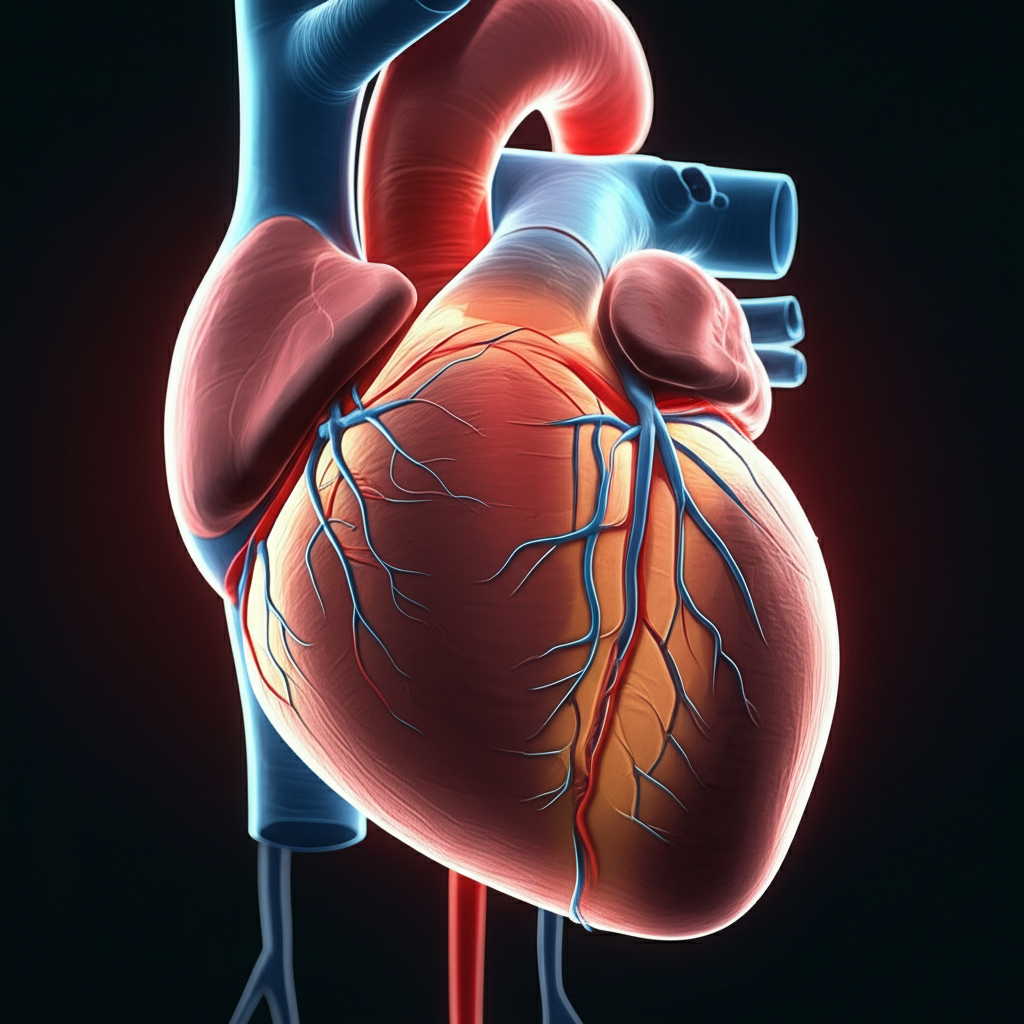
The primary pacemaker of the heart is the sinoatrial (SA) node, a small cluster of specialized cells located in the right atrium. These cells spontaneously generate electrical impulses at a regular rhythm, typically between 60 to 100 beats per minute. This impulse then spreads rapidly across the atria, causing them to contract and pump blood into the ventricles.
The signal then travels to the atrioventricular (AV) node, which briefly delays the impulse, allowing the ventricles to fill completely. From there, the signal quickly propagates down the Bundle of His and into the Purkinje fibers, which distribute the electrical current throughout the ventricular muscle, causing a powerful, coordinated contraction. This intricate electrical pathway ensures that the atria and ventricles contract in perfect synchronicity, optimizing blood flow with every beat. If the SA node fails, the AV node can take over, acting as a secondary pacemaker, albeit at a slower rate, providing a vital backup system.
A Muscular Marvel: Unique Cellular Architecture
The structure of cardiac muscle cells themselves is perfectly engineered for continuous, coordinated contraction. Cardiomyocytes are unique: they are striated like skeletal muscle, reflecting their strong contractile power, yet they are involuntary, meaning you don’t consciously control them.
Crucially, these cells are interconnected by specialized junctions called intercalated discs. These discs contain two main types of structures:
1. Desmosomes: Act as strong anchors, holding the cardiac muscle cells together during the intense mechanical stress of contraction.
2. Gap Junctions: Are tiny channels that allow the rapid passage of ions and electrical impulses directly from one cell to the next.
This arrangement creates a functional syncytium, or a network where cells act as a single, coordinated unit. When one cardiac muscle cell receives an electrical impulse, it doesn’t just contract individually; the impulse is immediately passed to neighboring cells through the gap junctions, leading to a wave of contraction across the entire chamber. This efficient communication mechanism is essential for the heart’s pumping action to be effective and continuous.
External Regulation, Not Initiation: The Autonomic Nervous System
While the heart generates its own beat, its rate and force are finely tuned by the autonomic nervous system(ANS), which is part of your unconscious control. The ANS has two main branches that act in opposition:
Sympathetic Nervous System: Often called the “fight or flight” system, it releases adrenaline and noradrenaline, which speed up the heart rate and increase the force of contraction during times of stress, exercise, or excitement.
Parasympathetic Nervous System: The “rest and digest” system, primarily via the vagus nerve, releases acetylcholine, which slows down the heart rate, allowing it to recover and conserve energy.
It’s important to understand that the ANS doesn’t initiate the heart’s beat; it merely modulates the intrinsic rhythm set by the SA node. This regulatory control allows your heart to adapt instantly to your body’s changing demands, whether you’re sleeping peacefully or running a marathon, without ever needing an external command to start beating.
The Stunning Secret Unveiled: A Symphony of Resilience
The “stunning secret” of why your heart never stops isn’t a single magical element, but rather the elegant integration of these multiple, sophisticated mechanisms. It’s a marvel of evolutionary design, combining:
Exceptional metabolic efficiency (high mitochondrial density, diverse fuel sources).
Intrinsic electrical rhythmicity (SA node, AV node, Purkinje fibers).
Unique cellular structure (intercalated discs allowing synchronized contraction).
Redundancy (backup pacemakers).
Dynamic regulation (autonomic nervous system fine-tuning).
A constant, dedicated blood supply via the coronary arteries that feed the heart itself.
This intricate interplay creates an organ of unparalleled resilience, capable of continuous, precise operation under a vast range of physiological demands. Its silent, relentless dedication is an ongoing testament to the wonder of the human body. As you read this, your heart continues its unwavering dance, a powerful reminder of life’s incredible and intricate biological machinery.
0 Comments