
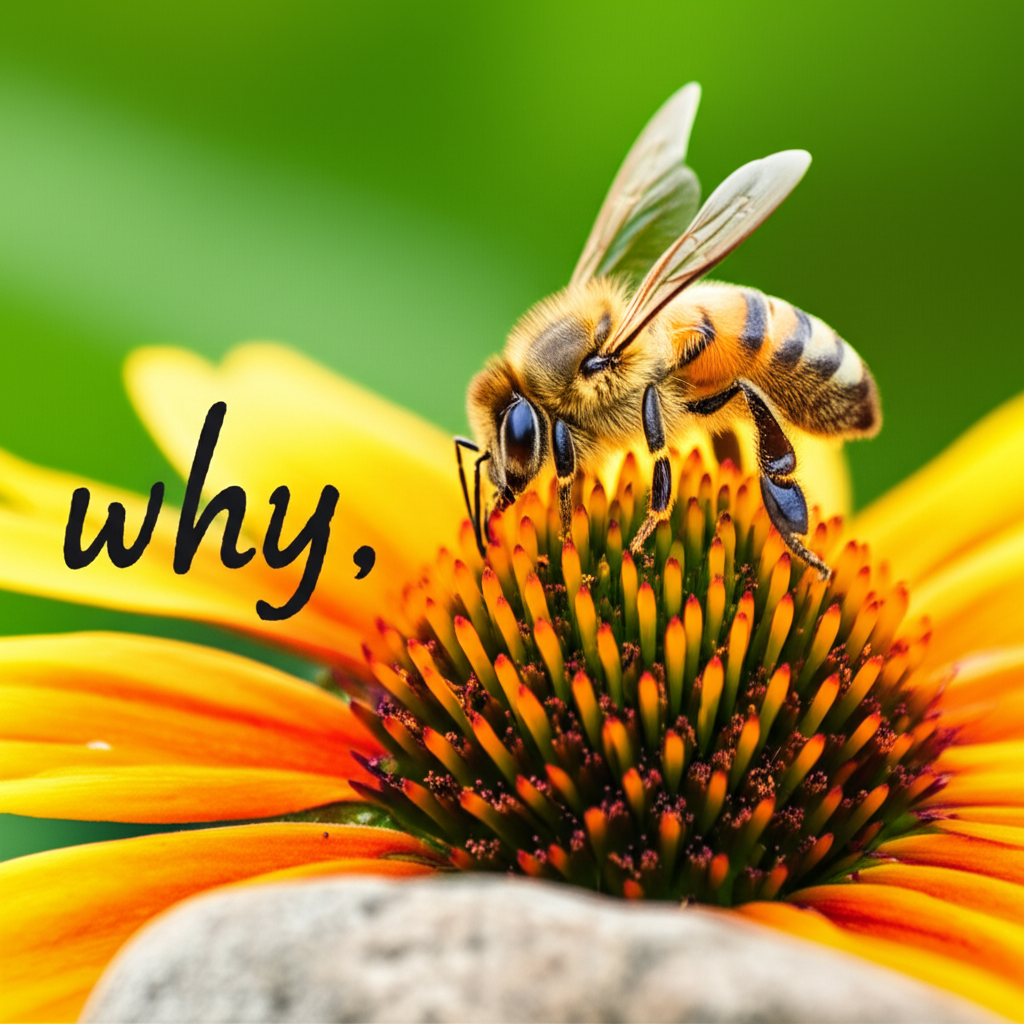
Why are bees often described as the unsung heroes of our planet? These small, fuzzy insects, primarily known for producing honey, play an overwhelmingly critical role in sustaining life on Earth, far beyond just sweetening our tea. Their tireless work as pollinators underpins our global food systems, maintains ecological balance, and contributes significantly to economic stability. Understanding their profound importance is the first step toward appreciating their existence and, critically, safeguarding their future.
Why Bees Are Indispensable for Our Plates
At the heart of the bee’s crucial role is pollination – the process by which pollen is transferred from the male part of a flower to the female part, enabling fertilization and the production of seeds, fruits, and new plants. While other animals and wind can also pollinate, bees are remarkably efficient and responsible for the vast majority of this vital service.
Consider your plate. It’s estimated that one out of every three bites of food we eat depends on pollinators, with bees being the primary contributors. This isn’t just about exotic fruits; it includes staples like apples, almonds, avocados, blueberries, cherries, coffee, and even the alfalfa fed to livestock. Without bees, the variety and abundance of fresh produce would plummet, leading to significant nutritional deficiencies and skyrocketing food prices. Farmers worldwide rely on bees to ensure bountiful harvests, making these insects an indispensable part of the agricultural workforce. Their diligent flights from flower to flower connect entire ecosystems, literally feeding the world.
Why Bees Are Vital for a Thriving Planet
The significance of bees extends far beyond human consumption. They are fundamental to the health and biodiversity of natural ecosystems. By pollinating wild plants, bees ensure the reproduction of countless flora species that form the base of various food webs. When these plants thrive, they provide food and shelter for a multitude of other creatures, from insects and birds to small mammals.
A decline in bee populations can trigger a cascading effect throughout an ecosystem. Fewer pollinated plants mean less food and habitat for other species, potentially leading to a loss of biodiversity. This disruption can weaken ecosystems, making them more vulnerable to disease, climate change, and invasive species. Bees help maintain healthy forests, wetlands, and grasslands, which are critical for purifying air and water, preventing soil erosion, and regulating global climate patterns. Essentially, bees are tiny architects of the natural world, supporting the very fabric of life that sustains our planet.
Why Bee Health Means Economic Health
The economic value of bee pollination services is staggering. Experts estimate that the global economic contribution of insect pollination, predominantly by bees, runs into hundreds of billions of dollars annually. In the United States alone, bee pollination accounts for over $15 billion in increased crop value each year. This isn’t just a figure on a spreadsheet; it represents livelihoods for farmers, jobs in processing and distribution, and affordable, nutritious food for consumers.
Beyond pollination, the products derived directly from bees – honey, beeswax, propolis, and royal jelly – also contribute to economies. Beekeeping, or apiculture, is an industry itself, supporting thousands of beekeepers and related businesses worldwide. These products have diverse uses, from food and confectionery to cosmetics, pharmaceuticals, and candles. A crisis in bee health therefore translates directly into a profound economic crisis, impacting agricultural sectors, related industries, and ultimately, national economies.
Why We Must Act Now: Protecting Our Pollinators
Despite their undeniable importance, bee populations globally are facing unprecedented threats. Habitat loss due to urbanization and intensive farming practices reduces their foraging grounds and nesting sites. The widespread use of pesticides, particularly neonicotinoids, can disorient, weaken, or kill bees outright. Climate change alters flowering seasons and plant distributions, disrupting the delicate synchronization bees have with their food sources. Diseases, parasites like the Varroa mite, and genetically modified crops also pose significant challenges.
The decline in bee populations is a global wake-up call. It highlights the interconnectedness of all life and the urgent need for collective action. Protecting bees is not just an environmental issue; it is a food security issue, an economic issue, and fundamentally, a human survival issue.
What Can We Do?
Plant pollinator-friendly gardens: Choose native flowers, shrubs, and trees that provide nectar and pollen throughout the seasons. Avoid hybrid varieties that offer little nutritional value.
Reduce pesticide use: Opt for organic gardening methods or integrated pest management strategies. If pesticides are necessary, choose bee-friendly options and apply them responsibly.
Support local beekeepers: Buying local honey helps sustain beekeeping operations and supports healthy local bee populations.
Provide water sources: A shallow dish of water with pebbles for landing can be a lifeline for thirsty bees.
* Advocate for change: Support policies that protect pollinators, promote sustainable agriculture, and conserve natural habitats.
In conclusion, bees are far more than just honey producers. They are the tiny engines driving our ecosystems, ensuring the bounty of our harvests, and maintaining the delicate balance of nature. Their survival is inextricably linked to our own. By understanding why these humble insects are so vital and taking proactive steps to protect them, we can contribute to a healthier, more sustainable future for all.
0 Comments